
The Influence of Sleeping Position on Your Health and Well-being
```html
The way we position our bodies during sleep is far from a trivial matter; it is a fundamental aspect of our nightly routine that profoundly influences our physical health and overall well-being. 🛌 The posture we maintain for hours each night can either be a source of restorative rest or a hidden cause of chronic pain and health issues. This article delves into the significant impact of your sleeping position, exploring how it affects spinal alignment, breathing, circulation, and more. By understanding these effects, you can make informed adjustments to not only enhance the quality of your sleep but also to proactively care for your long-term health.
Common Sleeping Positions and Their Impact on Your Body
Each sleeping position comes with its own set of advantages and potential drawbacks. Knowing these can help you choose the best posture for your specific needs or identify the source of existing discomfort.
Sleeping on Your Back (Supine Position) 😌
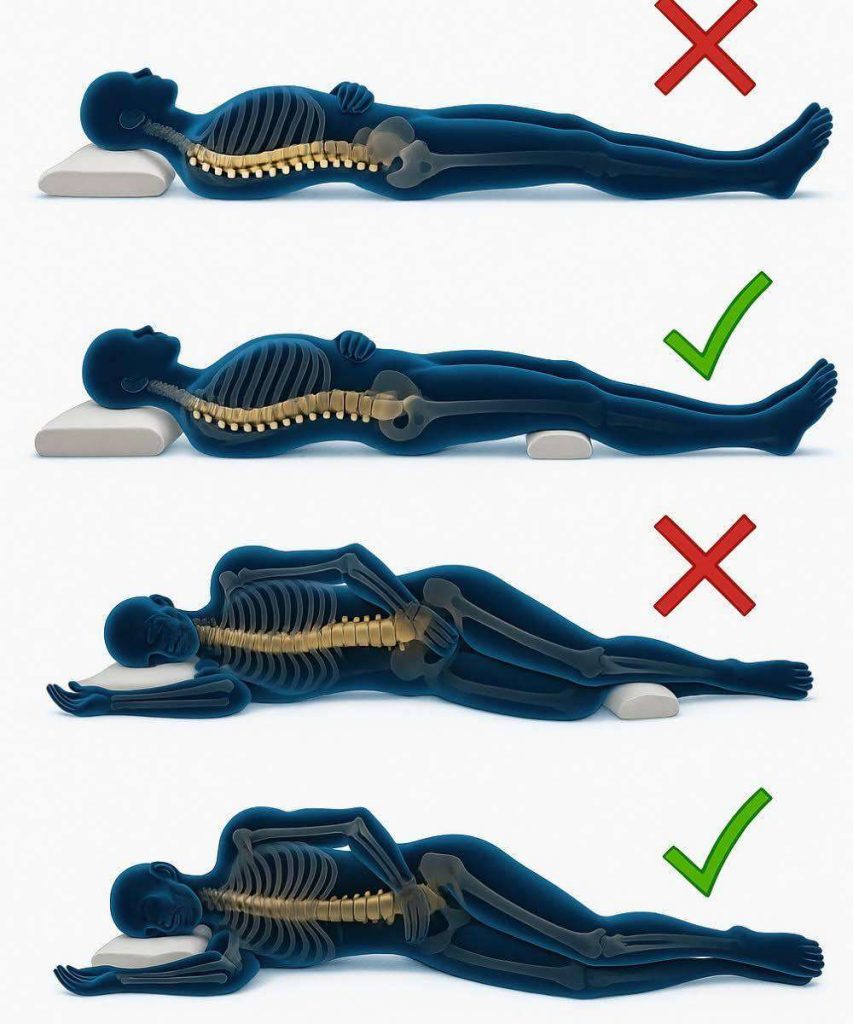
This position is often hailed by chiropractors and physical therapists for its ability to promote the natural, neutral alignment of your spine. It allows your head, neck, and back to rest in a straight line, minimizing unnatural curves and reducing pressure on your joints and muscles. Furthermore, it helps prevent facial wrinkles caused by pressing your face into a pillow. However, a significant downside is that it can exacerbate snoring and sleep apnea, as gravity can cause the base of the tongue and soft palate to collapse to the back of the throat, obstructing the airway. For those who are predisposed to these conditions, back sleeping might not be the ideal choice.
Sleeping on Your Side (Lateral Position) 🤗
Widely considered one of the most beneficial positions, side sleeping offers a host of advantages. It is excellent for reducing snoring and improving breathing, making it a top recommendation for individuals with obstructive sleep apnea. Taking it a step further, sleeping on your left side is particularly advantageous. This position can improve heart function by reducing pressure on the organ and is also known to aid digestion and alleviate heartburn, which is why it's often suggested for pregnant women. To maximize comfort in this position, it's crucial to use a supportive pillow that fills the space between your neck and the mattress, keeping your spine perfectly horizontal.
Sleeping on Your Stomach (Prone Position) 😟
While sleeping on your stomach can help keep your airways open and reduce snoring, it is generally the least recommended posture. To breathe, you must turn your head to one side for hours, which forces your neck and spine into a twisted, misaligned position. This can lead to strain in the cervical vertebrae, resulting in persistent neck and upper back pain. It also flattens the natural curve of your spine, potentially causing lower back discomfort. If this is your preferred position, try to transition to side sleeping, perhaps by placing a pillow in front of your body to hug, which can prevent you from rolling over onto your stomach.
Signs Your Sleep Position Is Affecting Your Health
Your body often sends clear signals when your sleeping posture is causing problems. Paying attention to these signs is the first step toward finding a solution. Be mindful if you regularly experience:
- Persistent pain in the neck, shoulders, lower back, or hips upon waking up. 🚨
- A sensation of tingling, numbness, or "pins and needles" in your arms, hands, or legs, which may indicate nerve compression.
- Waking up feeling fatigued and unrefreshed despite getting a full night's sleep, suggesting poor sleep quality.
- Frequent nighttime awakenings due to physical discomfort or the need to reposition yourself.
- The development of morning headaches, which can be linked to neck strain during the night.
Actionable Tips to Optimize Your Sleeping Posture
Improving your sleep posture doesn't require a complete overhaul overnight. Small, strategic changes can yield significant benefits. Here are some practical tips:
Invest in the Right Pillow: Your pillow should work to keep your head, neck, and spine in a neutral alignment. Back sleepers may need a thinner pillow, while side sleepers typically require a firmer, thicker one to fill the gap. Stomach sleepers should opt for a very soft and thin pillow, or even none at all. 🛏️
Choose a Supportive Mattress: Your mattress is the foundation of good sleep posture. It should be supportive enough to keep your spine aligned but comfortable enough to relieve pressure points. The ideal firmness often depends on your primary sleep position and body weight.
Use Strategic Pillow Placement: Enhance your position with additional pillows. Side sleepers can place a pillow between their knees to keep their hips, pelvis, and spine aligned. Back sleepers may benefit from a small pillow under their knees to support the natural curve of the lower back.
Perform Gentle Nightly Stretches: A short routine of gentle stretches before bed can help relax tight muscles in your back, neck, and hips, making it easier for your body to maintain a healthy posture throughout the night. 🧘♀️
Be Mindful and Make Gradual Changes: If you notice you're waking up in a problematic position, make a conscious effort to start the night in a better one. Changing a lifelong habit takes time, so be patient with yourself.
Conclusion: Rest Smart for a Healthier Life
In summary, your sleeping position is a powerful yet often overlooked contributor to your physical health. From spinal alignment and joint pressure to breathing efficiency and circulation, the way you sleep has far-reaching consequences. 🎯 By understanding the effects of different postures—favoring side or back sleeping over stomach sleeping—and implementing supportive measures like the right pillow and mattress, you can transform your sleep from a potential source of pain into a pillar of wellness. Remember, achieving high-quality, restorative sleep is an active process. Paying attention to your body's signals and making these thoughtful adjustments is a profound investment in your long-term health and daily vitality.
```
Leave a Reply