
Do You Often Drool While Sleeping? It Could Be a Sign That Your Brain Is Working Better Than You Think
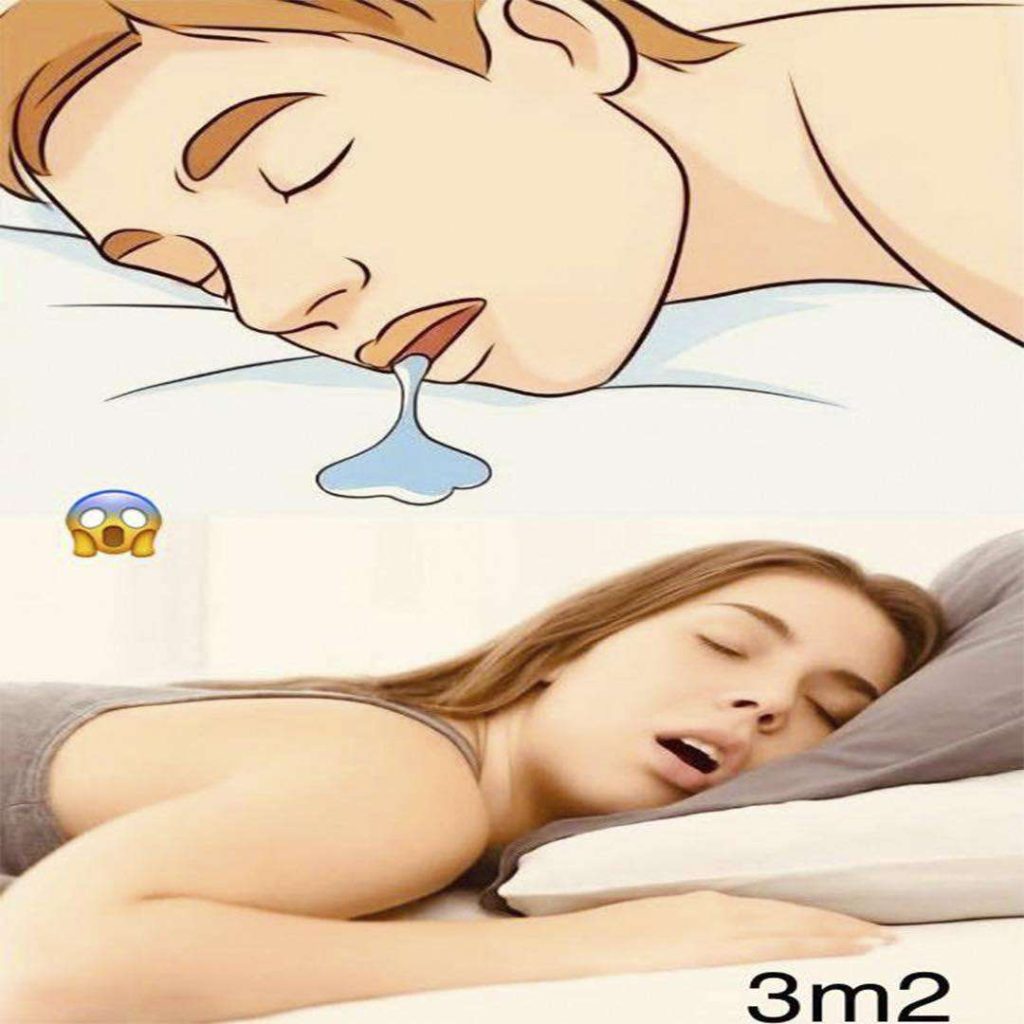
Have you ever woken up to find a small, unexpected puddle on your pillow? 🛌 While many people consider drooling during sleep to be an awkward or even embarrassing occurrence, it's actually far more common than you might think. More importantly, what if we told you that this nightly dribble could be a subtle sign of a well-functioning brain and a truly restorative rest? Far from being a negative sign, drooling can be intricately linked to your neurological health and the depth of your sleep. This article will delve into the science behind why we drool, what it reveals about your sleep quality, and when it might be time to pay closer attention.
The Science Behind Nighttime Drooling 🤔
So, what exactly is happening when you drool in your sleep? The process is a fascinating interplay between relaxation and physiology. During wakefulness, we unconsciously swallow excess saliva. However, when we sleep, our body enters a state of profound muscular relaxation. This includes the muscles in your face, jaw, and throat that typically help manage saliva flow.
As saliva accumulates in your mouth, this relaxation, combined with gravity—especially if you sleep on your side or stomach—allows it to escape. Think of it as your body's production line continuing to run while the "swallowing" department is on a well-deserved break. While it can sometimes be associated with nasal congestion or specific sleep positions, it can also be a powerful indicator that your body has achieved an optimal state of rest.
Drooling and Deep Sleep: A Positive Connection 😴
Emerging research suggests that drooling can be a telltale sign that your body has successfully entered the crucial stages of deep, slow-wave sleep, also known as NREM (Non-Rapid Eye Movement) sleep. This is the most restorative phase of your sleep cycle, and drooling can be an indirect signal that you are reaping its full benefits. During deep sleep:
Your muscles achieve their maximum level of relaxation. This includes the complex musculature responsible for keeping your mouth closed and facilitating swallowing.
Your brain activity slows down significantly to prioritize essential repair and maintenance functions, consolidating memories and strengthening cognitive pathways.
Your immune system gets a powerful boost, regenerating cells and building defenses more effectively than during waking hours.
Hormones responsible for growth and cell repair are released, helping your body recover from the day's activities.
In this context, a little drool on your pillow isn't a sign of a malfunction; it's a potential badge of honor indicating that your brain and body are diligently working through their vital overnight checklist.
When is Drooling Normal and When Should You Be Concerned? 🩺
Understanding the difference between harmless drooling and a symptom of an underlying issue is key. It is generally considered normal if:
• It happens sporadically, particularly after an exceptionally deep and restful sleep.
• It isn't accompanied by other symptoms like loud, chronic snoring, gasping for air, or persistent daytime fatigue.
• It doesn't cause skin irritation around the mouth or negatively impact your oral health.
However, it may be a good idea to consult a healthcare professional if:
• It is accompanied by loud snoring, witnessed pauses in breathing, or excessive daytime sleepiness, as these could be signs of sleep apnea, a condition where breathing repeatedly stops and starts.
• You experience excessive drooling during the daytime as well, which could point to neurological conditions or difficulties with swallowing (dysphagia).
• The drooling is a new, persistent, and unexplained change in your sleep pattern.
The Science of Saliva Production 💧
It's also helpful to understand why we produce saliva, even during sleep. Saliva is not just water; it's a complex fluid essential for oral health. It moistens the mouth, kick-starts the digestion process, and contains enzymes and antibodies that fight off bacteria and prevent infections. Your salivary glands don't completely shut down at night; they continue to produce this vital fluid to protect your teeth and gums. Therefore, some saliva production is not just normal—it's necessary.
Practical Tips to Manage Occasional Drooling 👍
If your drooling is occasional and not linked to a medical condition, but you'd simply prefer to minimize it, there are several practical strategies you can try:
Experiment with your sleep position. This is often the most effective change. Try to train yourself to sleep on your back, as this allows gravity to help keep saliva pooled at the back of your throat, making it easier to swallow unconsciously.
Address nasal congestion. If you have a stuffy nose due to allergies or a cold, you're more likely to breathe through your mouth, which can lead to drooling. Using a saline spray, a humidifier, or an air purifier in your bedroom can help keep your nasal passages clear.
Maintain good sleep hygiene. Achieving consistent, high-quality sleep can regulate your sleep cycles. Ensure your bedroom is dark, quiet, and cool, and stick to a regular sleep-wake schedule.
Stay hydrated throughout the day, but avoid excessive liquids right before bedtime.
If drooling is excessive, persistent, or concerning, the most important step is to consult with a doctor or a sleep specialist. They can provide a proper diagnosis and rule out any underlying conditions, giving you true peace of mind.
Conclusion: Embrace the Sign of Deep Rest ✨
In summary, waking up to find you've been drooling is not a cause for alarm. In many cases, it can be a positive, natural byproduct of achieving the deep, slow-wave sleep that is so critical for cognitive function, memory consolidation, and physical restoration. It's a sign that your brain has powered down its conscious operations to focus on internal maintenance and repair. By observing the frequency and context of your drooling, you can better interpret what your body is communicating about the quality of your rest. So, the next time you spot a little drool on your pillow, don't be embarrassed—you might just want to thank your hard-working brain for a job well done.
Leave a Reply