
Leg Cramps at Night: Common Causes and Ways to Relieve the Pain
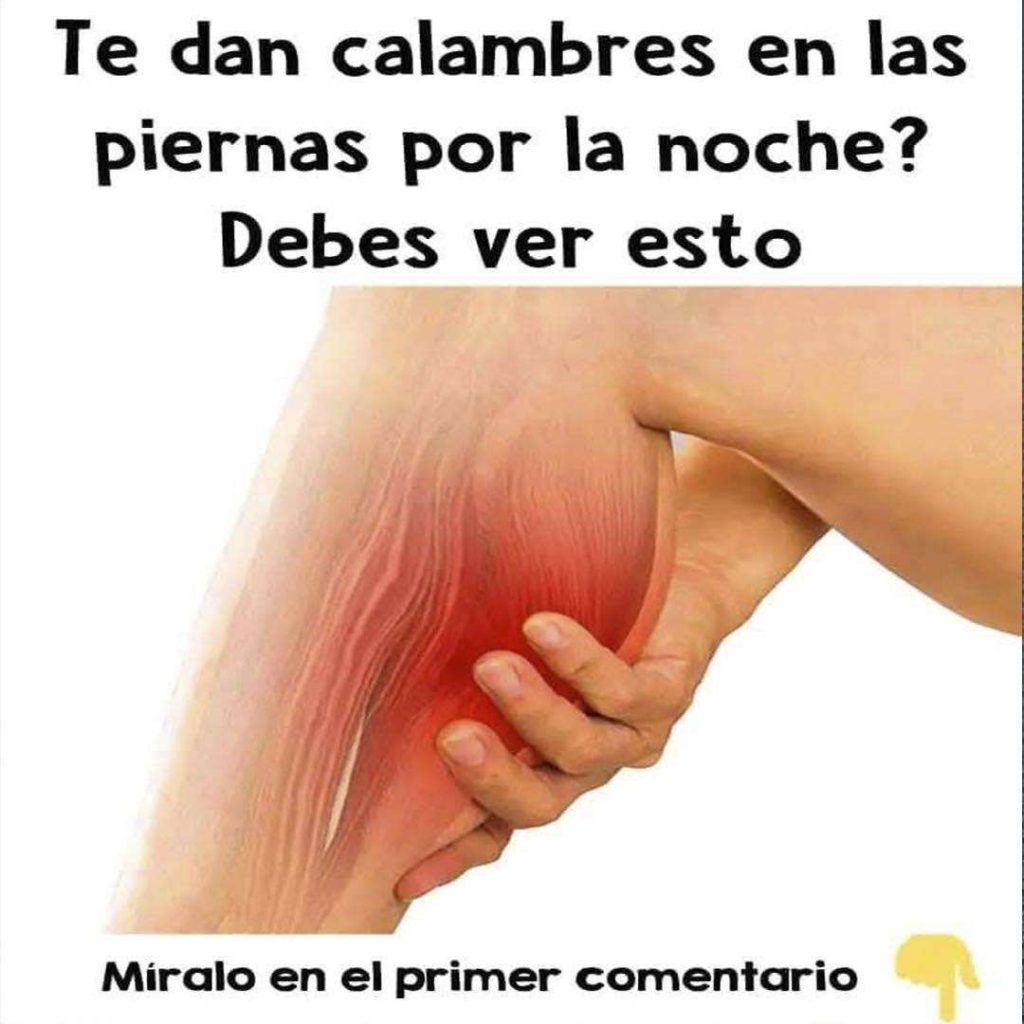
Waking up in the middle of the night with a sudden, sharp pain in your leg is an experience many of us share. 🛌 These involuntary muscle contractions, known as nocturnal leg cramps, can violently disrupt your sleep and leave you feeling sore the next day. Understanding the root causes and having a practical action plan for relief is crucial for reclaiming your restful nights and overall well-being. This guide will delve into the common triggers and provide effective, actionable strategies to prevent and manage these painful episodes.
What Causes Leg Cramps at Night? 🤔
These spontaneous spasms typically strike when you're at your most vulnerable—during sleep. While often harmless, their intensity can be alarming. The reasons behind them are varied, but several key factors are frequently at play:
Dehydration and Electrolyte Imbalance: 💧 This is one of the most common culprits. When your body is low on fluids, it can lead to an imbalance in essential electrolytes like sodium, potassium, and magnesium. These minerals are critical for transmitting nerve signals and facilitating proper muscle contraction and relaxation. Even mild dehydration can set the stage for a cramp.
Mineral Deficiencies: 🥑 Specifically, low levels of magnesium, potassium, and calcium are directly linked to muscle cramps. Magnesium helps regulate muscle and nerve function, potassium supports fluid balance and nerve signals, and calcium is essential for the muscle contraction process itself. A diet lacking in these key nutrients can make you more susceptible.
Poor Circulation: ❤️ Conditions like peripheral artery disease can restrict blood flow to the legs. This reduced circulation means less oxygen reaches the muscle tissues, which can trigger painful cramping, especially during periods of inactivity like sleep.
Muscle Fatigue and Overexertion: 🏃♂️ Pushing your muscles too hard during the day, especially without a proper cool-down, can lead to fatigue. This exhaustion makes the nerve endings more hyperexcitable, increasing the likelihood of a cramp occurring hours later as you rest.
Prolonged or Awkward Positions: 🪑 Remaining in a single position for a long time, such as with your toes pointed downward while sleeping, can shorten the calf muscles. This slight contraction can be enough to provoke a spasm when you finally move.
Underlying Medical Conditions: 🩺 In some cases, persistent leg cramps can be a symptom of an underlying issue. These may include diabetes (which can cause nerve damage), thyroid disorders, hormonal imbalances, or neurological conditions. Certain medications, like diuretics and statins, can also list muscle cramps as a side effect.
Effective Ways to Relieve and Prevent Nighttime Leg Cramps 🌙
You don't have to suffer in silence. By incorporating these proactive strategies into your routine, you can significantly reduce the frequency and severity of these painful episodes.
Prioritize Hydration: 💦 Make a conscious effort to drink fluids consistently throughout the day. Don't wait until you're thirsty. For an extra boost, especially after exercise, consider an electrolyte-rich drink or simply adding a pinch of high-quality sea salt to your water.
Incorporate Gentle Stretching: 🧘♀️ Make stretching a part of your nightly ritual. Focus on the calf muscles. A simple stretch involves standing an arm's length from a wall, placing your hands on it, and stepping back with one leg, keeping the heel flat on the floor until you feel a gentle pull in your calf. Hold for 30 seconds and repeat.
Apply Heat and Massage: 🔥 If a cramp strikes, immediately gently stretch the muscle. Afterwards, apply a heating pad to the area to increase blood flow and promote relaxation. Follow up with a soothing massage using your hands or a foam roller to work out any remaining tension.
Optimize Your Diet for Minerals: 🥗 Be intentional about consuming foods rich in magnesium (dark leafy greens, nuts, seeds, avocados), potassium (bananas, sweet potatoes, beans, coconut water), and calcium (dairy, fortified plant milks, sardines, leafy greens).
Be Mindful of Physical Activity: ⚖️ While exercise is vital, avoid sudden, intense bursts of activity if you're not conditioned for them. Always include a proper warm-up and, just as importantly, a cool-down period to allow your muscles to recover gradually.
Choose Supportive Footwear: 👟 Wearing shoes with good arch support and cushioning throughout the day can prevent undue strain on your leg muscles and tendons, reducing the risk of cramps later on. Avoid high heels for prolonged periods.
Adjust Your Sleep Environment: 🛏️ If you sleep on your back, try using a pillow to prop up your feet slightly. If you're a stomach sleeper, which often forces the feet into a pointed position, try to train yourself to sleep on your side or back with a pillow between your knees to keep your hips aligned.
When Should You See a Doctor? 🩺
While most leg cramps are benign, it's important to consult a healthcare professional if you experience any of the following:
- The cramps are severely painful, frequent, and persistently disrupt your sleep.
- They are accompanied by noticeable swelling, redness, or skin changes in the leg.
- You experience muscle weakness or atrophy along with the cramping.
- Home remedies and lifestyle changes provide no relief.
A doctor can help rule out more serious underlying conditions and provide a tailored treatment plan.
Conclusion: Taking Control of Your Nightly Rest
Dealing with leg cramps at night can be a frustrating ordeal, but as we've explored, you have numerous tools at your disposal. 🛠️ The key lies in a holistic approach: staying hydrated, nourishing your body with the right minerals, stretching regularly, and being mindful of your daily habits. By understanding the potential causes—from simple dehydration to circulatory issues—you can better identify what might be triggering your own symptoms. Start by integrating one or two of the suggested strategies, and listen to your body's response. With consistency and attention, you can effectively minimize these painful interruptions and pave the way for deeper, more restorative sleep. Your journey to cramp-free nights starts tonight! ✨
Leave a Reply