
Signs in Your Eyes That Can Reveal Visual Health Problems
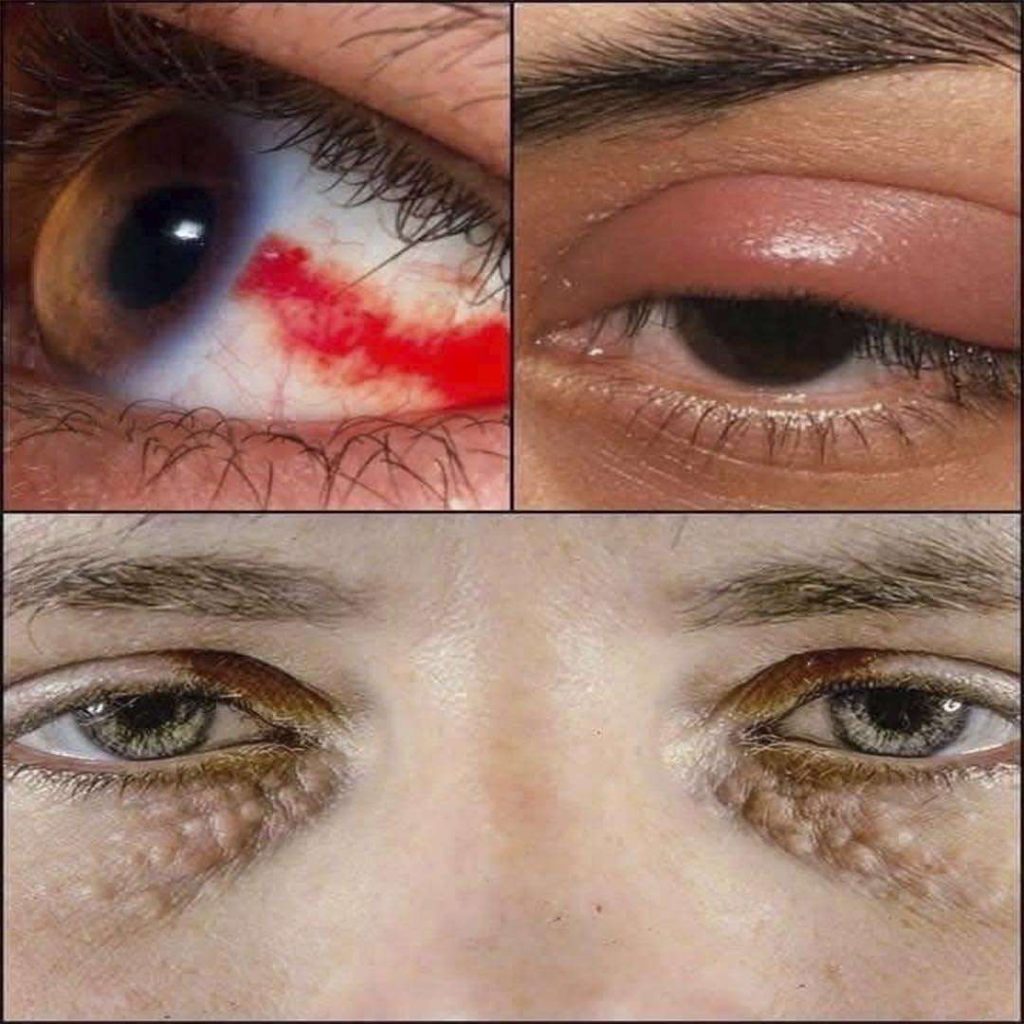
Your eyes are not just the windows to your soul; they are also a clear window into your overall health. 👁️ Often, the first signs of many systemic conditions—from diabetes to high blood pressure—manifest as changes in your vision or the appearance of your eyes. Paying close attention to these visual cues is not just about maintaining 20/20 vision; it's a proactive step in safeguarding your long-term well-being. Ignoring these signals can lead to more serious, sometimes irreversible, damage. This article will guide you through the key warning signs that suggest your visual health needs immediate attention from a specialist.
1. Sudden Blurry Vision: A Red Flag You Can't Ignore
While occasionally blurred vision can stem from simple eye strain or fatigue, its sudden onset is a different story. 🚨 This symptom demands immediate attention, especially if it occurs in only one eye. It could be a critical indicator of several serious conditions, including a retinal detachment, where the retina pulls away from its supportive tissue, or an acute glaucoma attack, which causes a rapid increase in eye pressure. Furthermore, sudden blurriness can also be a sign of neurological events like a stroke or transient ischemic attack (TIA). Never dismiss sudden vision changes as mere tiredness; consult an eye care professional or visit an emergency room promptly.
2. Persistent Dry Eyes or Burning Sensation
Experiencing a gritty, burning, or persistently dry feeling in your eyes is extremely common, often linked to prolonged screen time, arid environments, or aging. 👩💻 However, when these symptoms become a constant nuisance, they may point to Dry Eye Disease. This is a chronic condition where your eyes either don't produce enough tears or produce poor-quality tears that evaporate too quickly. Left unmanaged, it can lead to surface inflammation, increased risk of eye infections, and even damage to the cornea. If over-the-counter artificial tears don't provide lasting relief, it's time for a comprehensive eye exam to determine the underlying cause and receive appropriate treatment.
3. The Appearance of Spots, Flashes, or Partial Vision Loss
Seeing a few occasional floaters—those tiny specks or strands that drift across your field of vision—is usually normal. However, a sudden shower of new floaters, persistent flashing lights (like camera strobes or lightning streaks), or a shadow or curtain descending over your vision is a medical emergency. 💥 These are the classic symptoms of a retinal tear or detachment. The retina is the light-sensitive tissue at the back of your eye, and a detachment can lead to permanent vision loss if not repaired surgically within a short timeframe. Do not wait to see if these symptoms go away; seek immediate medical care.
4. Unexplained Redness and Signs of Inflammation
A bloodshot eye can result from a late night, allergies, or minor irritation. But when redness is accompanied by pain, sensitivity to light, unusual discharge, or changes in vision, it signals something more significant. 🔍 This combination of symptoms could indicate an eye infection (like bacterial or viral conjunctivitis), uveitis (inflammation of the middle layer of the eye), or even scleritis (inflammation of the white part of the eye). Some of these conditions are linked to autoimmune diseases. A prolonged red eye is your eye's way of crying for help and should be evaluated by a doctor to prevent complications.
5. Eye Pain or Intense Pressure
Mild discomfort from eye strain is one thing, but actual pain in or around the eye is not normal and should always be taken seriously. 😫 If the pain is severe, deep, and throbbing, and is accompanied by blurred vision, seeing halos around lights, nausea, or vomiting, it could be a sign of acute angle-closure glaucoma. This is a sight-threatening emergency where the eye's drainage system suddenly blocks, causing a dangerous spike in intraocular pressure that can damage the optic nerve in a matter of hours. This condition requires immediate intervention to prevent irreversible blindness. Even without these additional symptoms, persistent eye pain warrants a professional examination.
Conclusion: Heed the Warnings for a Lifetime of Clear Sight
Your eyes are incredibly sophisticated organs that provide vital clues about your health. 🧐 Recognizing the signs discussed—sudden blurriness, persistent dryness, flashes/floaters, inflammatory redness, and unusual pain or pressure—is the first and most crucial step in preserving your vision. Adopting a proactive approach is non-negotiable. This includes scheduling regular comprehensive eye exams, even if you believe your vision is perfect, as many eye diseases are silent in their early stages. Protect your eyes from UV light with sunglasses, take breaks during long screen sessions using the 20-20-20 rule (every 20 minutes, look at something 20 feet away for 20 seconds), and maintain a healthy lifestyle. Your vision is a precious gift; listening to your eyes' alerts ensures you can enjoy the world's beauty for years to come. ✨
Leave a Reply