
Essential Health Parameters: Know the Symptoms, Save Lives
```html
In today's fast-paced world, being proactive about your health is more crucial than ever. 🩺 Understanding key health parameters is not just for medical professionals; it's vital knowledge that can empower you to take control of your well-being and even identify potential health issues early. This guide will walk you through the essential numbers everyone should know, explaining what they mean and why they are important for a long and healthy life.
🏥 Core Vital Signs and What They Mean
Your vital signs are the fundamental indicators of your body's basic functions. Monitoring them provides a quick snapshot of your overall health.
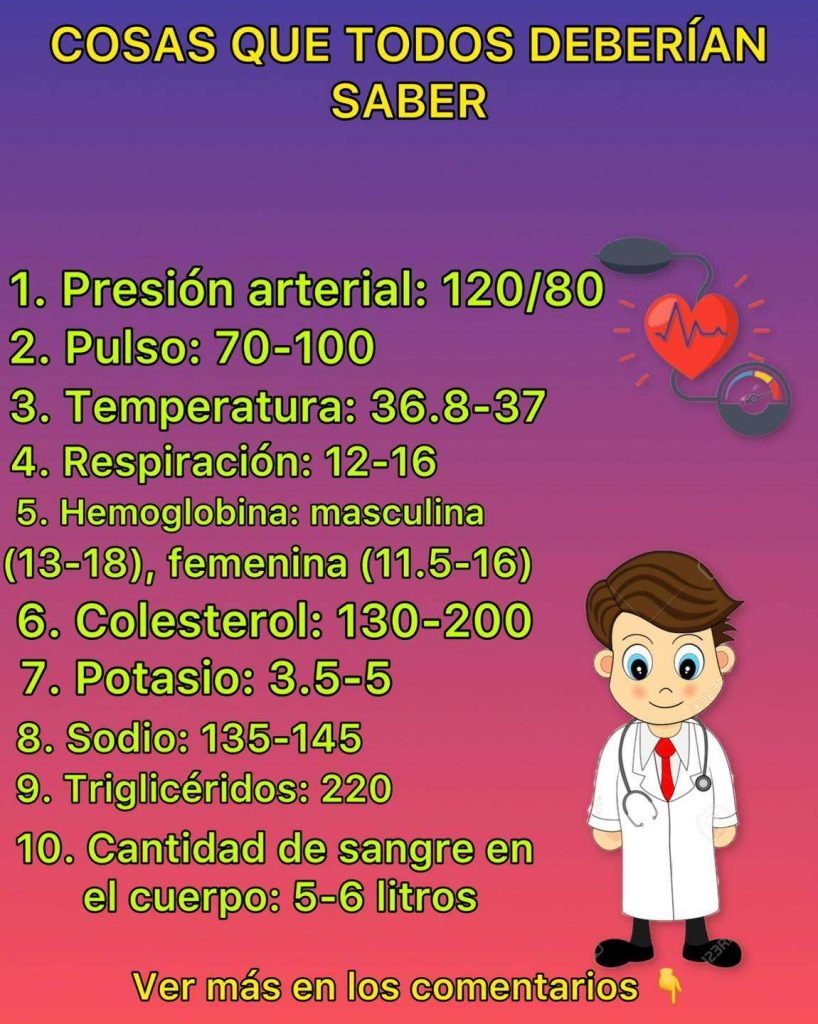
Blood Pressure (120/80 mmHg): This measures the force of blood against your artery walls. The top number (systolic) is the pressure during a heartbeat, and the bottom (diastolic) is the pressure between beats. Consistently high readings can strain your heart and damage blood vessels. Tip: Limit sodium intake and manage stress to help maintain healthy levels.
Pulse Rate (70-100 bpm): This is the number of times your heart beats per minute. A very high or low resting heart rate can indicate various conditions. Regular cardiovascular exercise is key to maintaining a strong and efficient heart.
Body Temperature (36.8°C - 37°C / 98.2°F - 98.6°F): A stable internal temperature is crucial for metabolic processes. Significant deviations often signal that your body is fighting an infection.
Respiration Rate (12-16 breaths per minute): This is how many breaths you take per minute. Noticeable changes, especially at rest, can be a sign of respiratory or cardiac issues.
🧬 Key Blood Components and Their Roles
Your blood is a complex mixture of cells and chemicals that tell a detailed story about your health.
Hemoglobin: This protein in red blood cells carries oxygen. Levels are 13-18 g/dL for men and 11.5-16 g/dL for women. Low levels can cause fatigue and anemia.
Cholesterol (130-200 mg/dL): Not all cholesterol is bad! This waxy substance is needed to build cells, but high levels of LDL ("bad" cholesterol) can lead to artery blockages. Focus on a diet rich in fiber and healthy fats to manage your levels.
Triglycerides (< 150 mg/dL is desirable): Note: The original value of 220 is generally considered high. These are the most common type of fat in your body. High levels, often linked to a high-sugar diet, increase heart disease risk.
Blood Sugar: Maintaining stable glucose is critical. For adults, a fasting level of 70-110 mg/dL is normal. Consistently high levels are a primary indicator of diabetes. (Note: The original value of 1100 for adults appears to be a typo and has been corrected to the standard range.)
🔬 Essential Minerals and Vitamins
Micronutrients play a massive role in everything from bone strength to energy production.
Potassium (3.5-5 mEq/L): Vital for nerve function and muscle contractions, including your heartbeat. Bananas and sweet potatoes are excellent sources.
Sodium (135-145 mEq/L): Essential for fluid balance, but most people consume too much, contributing to high blood pressure.
Iron (8-15 mg): A crucial component of hemoglobin. Iron deficiency is a common cause of anemia. 💪
Calcium (8.5-10.3 mg/dL): The cornerstone of strong bones and teeth, and also important for muscle function.
Vitamin D3 (20-50 ng/ml): The "sunshine vitamin" is critical for calcium absorption and immune function. Many people are deficient, so consider getting your levels checked.
Vitamin B12 (200-900 pg/ml): Essential for nerve health and the production of DNA and red blood cells. Deficiencies can cause fatigue and neurological issues.
💪 Taking Action and Final Thoughts
Knowledge is power, but action is key. Schedule regular check-ups with your healthcare provider to have these parameters tested. Keep a personal health journal to track your numbers over time. Remember that these ranges can vary slightly based on the laboratory and your individual health profile, so always discuss your results with a doctor.
In conclusion, understanding these essential health metrics empowers you to be an active participant in your own healthcare. 🛡️ By knowing the ideal ranges for your blood pressure, cholesterol, vitamins, and blood components, you can make informed lifestyle choices, recognize potential warning signs, and have more productive conversations with your doctor. Start today by committing to a healthier lifestyle—your future self will thank you for it.
```
Leave a Reply