
How to Plant Blueberries at Home for an Endless Supply and Stop Buying Them
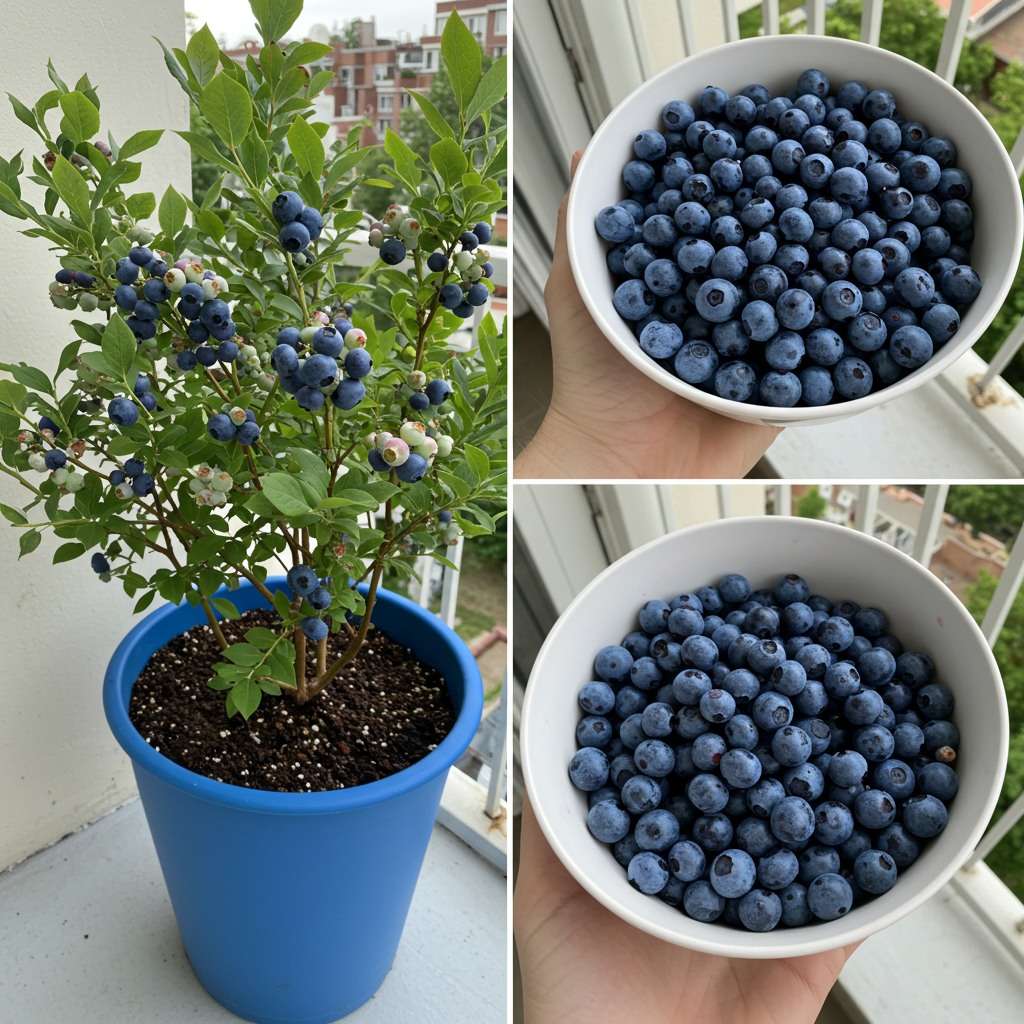
Are you tired of constantly buying those expensive little packs of blueberries at the grocery store? 🛒 What if you could step into your backyard or onto your balcony and harvest your own fresh, organic berries? Not only is it possible, but cultivating blueberry bushes at home is also a deeply rewarding project that can provide you with a bountiful, endless supply for years to come. This guide will walk you through everything you need to know to successfully plant, grow, and care for your very own blueberry bushes, turning your garden into a personal superfood haven. Let's put an end to buying blueberries and start growing your own! 🌱
Why Grow Your Own Blueberries? The Superfruit in Your Garden 🫐
Slightly sweet and tangy, the blueberry is a fruit ranging from dark red to deep purple, celebrated not just for its taste but for its incredible nutritional profile. It's a powerhouse of vitamins, including Vitamin K and C, along with essential trace elements and minerals. In fact, this small berry contains significant amounts of magnesio, potassium, calcium, iron, zinc, and even vanadium. Derived from the blueberry bush, a shrub from the Ericaceae family, blueberries are delicious, low in calories, and packed with antioxidants. Beyond the health benefits, growing your own allows you to control exactly what goes into your food, ensuring a purely organic harvest free from pesticides.
Blueberry Species: Choosing the Right Bush for Your Home
Before you start planting, it's crucial to know which type of blueberry bush is best suited for your space. There are two primary species to distinguish:
1. Vaccinium myrtillus (Wild Bilberry or Lowbush Blueberry): 🏔️ This is a wild blueberry species, typically measuring between 20 and 50 cm in height with deciduous foliage. It's commonly found growing naturally in heathlands, moors, forests, and clearings. While it produces intensely flavorful berries, it's less commonly cultivated in standard home gardens due to its specific wild habitat needs.
2. Vaccinium corymbosum (Highbush Blueberry): 🏡 This is the most common choice for home gardeners. It's a robust, shrubby blueberry that grows between 1.5 and 2 meters tall. It adapts wonderfully to being cultivated in pots, garden beds, or orchards. This is the variety you'll find at most nurseries, and it's bred for reliable fruit production in a garden setting.
The Ultimate Guide to Planting Your Blueberry Bush
Planting your blueberry bush correctly is the most critical step for long-term success. Follow these steps to give your plant the best possible start.
📍 Location, Location, Location: Blueberries thrive in full sun to partial shade. At least 6-8 hours of sunlight daily is ideal for optimal fruit production. ☀️
🌱 The Secret is in the Soil (The Most Important Step!): This is non-negotiable. Blueberry bushes require highly acidic, well-drained soil that is completely free of lime. The ideal soil pH is between 4.5 and 5.5. If your garden soil is neutral or alkaline, you must amend it heavily or, even better, grow your blueberries in containers.
Container Planting Method:
- Choose a wide, deep pot with excellent drainage holes.
- Cover the bottom with a layer of clay pebbles or gravel for drainage.
- Fill the pot with a mixture specifically designed for acid-loving plants. A perfect blend is ericaceous (heather) soil mixed with about 1/10 of well-rotted compost or potting soil to help with water retention.
⏰ The Best Time to Plant: For the best establishment, plant your bushes in the autumn. This allows the plant to focus on developing a strong root system over the winter without the stress of supporting top growth. If you plant in the spring, you must be extremely diligent with regular watering throughout its first growing season.
Caring for Your Blueberry Bush for a Bountiful Harvest
Once planted, consistent care will ensure your bush remains healthy and productive.
💧 Watering Wisely: Blueberries have shallow root systems and need consistent moisture, especially when the weather is dry. Always use non-calcareous water (rainwater is ideal) to avoid altering the soil's acidity.
🧴 Feeding Your Plant: Starting in early spring (around March), feed your bush with a fertilizer designed for acid-loving plants like rhododendrons or azaleas. This will provide the specific nutrients it needs to thrive.
🌲 Mulching is a Must: In the autumn, apply a thick mulch around the base of the plant using pine bark, pine needles, or sawdust. This serves a dual purpose: it preserves soil moisture and, crucially, helps maintain the essential acidity of the soil as the organic matter breaks down.
✂️ Pruning and Winter Care: In winter, remove any clearly dead, damaged, or diseased wood. However, avoid heavy pruning in the first few years. As the bush matures, you can do light pruning to open up the center to light and air, which encourages new, fruit-producing growth.
🌸 Pollination Tips: While some blueberry varieties are self-pollinating, you will get a significantly larger and better-quality harvest if you plant at least two different varieties close together. This cross-pollination leads to more fruit! 🐝
Harvesting and Enjoying Your Endless Supply
In summer, the berries will appear and mature. The transition from green to a deep, dusky blue is your sign that they are ready. The best part? A well-cared-for blueberry bush can be incredibly long-lived and productive, providing you with a genuine endless supply of fruit for decades. Imagine using your own blueberries in pancakes, muffins, smoothies, or simply eating them fresh by the handful! 🥞🧁
Conclusion: Your Journey to Self-Sufficiency Starts Now
By following this guide, you are well on your way to planting your own fruitful shrubs and enjoying significant savings at the supermarket. The initial effort of selecting the right species, preparing the acidic soil, and providing consistent care pays off exponentially with every juicy berry you harvest. Embrace the satisfying journey of home gardening and say goodbye to store-bought blueberries for good. Your future self, enjoying a homegrown blueberry treat, will thank you. Happy planting! 🎉
Leave a Reply