
Mimosa Pudica: The Sensitive Plant with Surprising Healing Properties
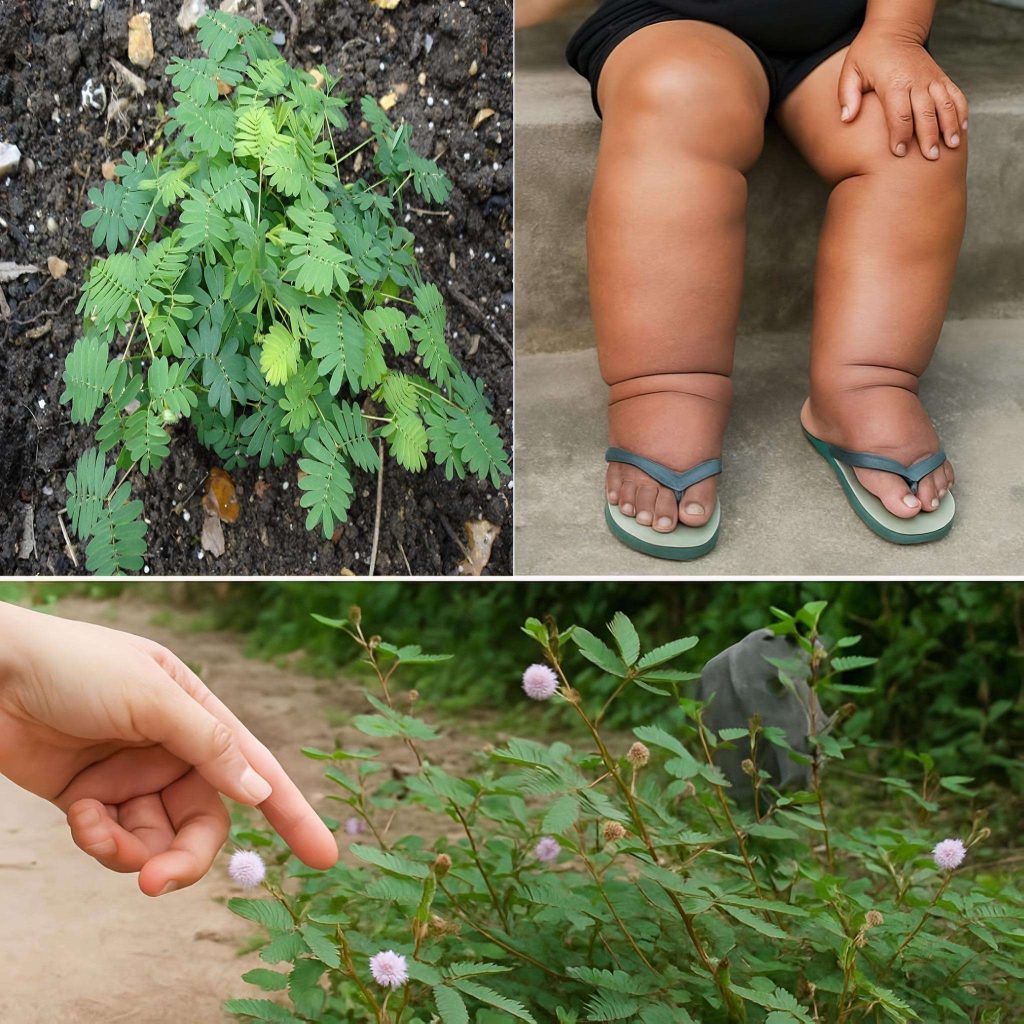
La Mimosa pudica, commonly known as the Sensitive Plant, Shameplant, or Touch-Me-Not, is a botanical wonder celebrated for its unique ability to rapidly fold its leaves inward when touched. 🌱 But beyond this captivating party trick lies a powerful herbal ally, a veritable treasure trove of medicinal properties that have been trusted for centuries across traditional medicine systems in Asia, Latin America, and Africa. From wound care to intestinal parasites, its applications are as diverse as they are effective.
In this comprehensive guide, you will discover the scientifically-backed benefits of Mimosa pudica, its potent healing properties, four practical natural recipes, essential usage guidelines, and how to safely integrate this remarkable plant into your natural wellness routine.
Medicinal Properties of Mimosa Pudica
The therapeutic power of Mimosa pudica stems from its rich and complex phytochemical profile. These natural compounds work in synergy to deliver its wide-ranging health effects:
- Alkaloids: Act as natural analgesics and anti-inflammatories, helping to manage pain. 💊
- Flavonoids: Serve as powerful cellular antioxidants, combating oxidative stress and free radical damage.
- Tannins: Provide astringent and cicatrizing (wound-healing) properties, tightening tissues and promoting recovery.
- Glycosides: Function as mild laxatives, gently regulating intestinal transit and relieving constipation.
- Mimosine: This unique amino acid exhibits potent antiparasitic and antibacterial activities.
- Saponins: Help stimulate and modulate the immune system, boosting your body's natural defenses. 🛡️
- Polysaccharides: Support cellular regeneration and offer a protective, soothing effect on the digestive system.
20 Proven Benefits of Mimosa Pudica
The combination of these active ingredients translates into a remarkable list of health benefits, making it a versatile addition to any natural medicine cabinet.
- Accelerates wound healing and tissue repair.
- Helps close ulcers and mouth sores effectively.
- Eliminates intestinal parasites and worms.
- Regulates bowel movements as a gentle, natural laxative.
- Reduces pain associated with arthritis and rheumatism.
- Alleviates muscle and joint inflammation.
- Cleanses the skin and helps combat acne breakouts.
- Aids in reducing the swelling and discomfort of hemorrhoids.
- Calms the nervous system, promoting relaxation. 😌
- Promotes more restful and reparative sleep.
- Acts as a broad-spectrum natural antimicrobial agent.
- Favors hormonal balance within the body.
- Can alleviate symptoms of premenstrual syndrome (PMS).
- Offers protective benefits for liver health.
- Improves overall digestion and nutrient absorption.
- Strengthens and fortifies the immune system.
- Helps prevent urinary tract infections.
- Reduces gum inflammation and promotes oral health.
- Freshens breath and fights harmful oral bacteria.
- Can help reduce excessive menstrual bleeding.
4 Natural Mimosa Pudica Recipes
Here are four simple yet powerful recipes to harness the healing power of this sensitive plant at home.
1. Anti-inflammatory Infusion for Joint and Muscle Pain
Ingredients:
- 1 tablespoon of dried Mimosa pudica leaves
- 1 cup of water
- 1 slice of ginger (optional, for enhanced anti-inflammatory effect) 🍠
Preparation: Bring the water to a boil. Add the Mimosa leaves and ginger (if using), remove from heat, and let it steep for 10 minutes. Strain before drinking.
How to Use: Drink 1 cup in the morning and another before bed for 7 consecutive days.
Benefits: This infusion effectively reduces systemic inflammation, alleviates pain, and helps relax tense muscles.
2. Antibacterial and Antiseptic Facial Toner
Ingredients:
- 1 cup of fresh Mimosa pudica leaves
- 2 cups of water
- 5 drops of tea tree essential oil 🌿
Preparation: Boil the fresh leaves in the water for 10 minutes. Allow the mixture to cool completely, then strain it. Add the tea tree oil and store in a sterile glass bottle.
How to Use: Apply to a clean face using a cotton pad, twice daily (morning and night).
Duration: Use for 15 days straight, then take a one-week break to allow your skin to reset.
Benefits: Fights acne-causing bacteria, balances the skin's pH, and provides a deep, refreshing cleanse.
3. Healing Paste for Wounds, Bites, and Sores
Ingredients:
- 10 fresh Mimosa pudica leaves
- 1 teaspoon of turmeric powder (for its potent anti-inflammatory properties)
- Sterile water (as needed)
Preparation: Crush the fresh leaves with the turmeric powder, adding a small amount of sterile water until a thick, spreadable paste is formed.
How to Use: Apply a thin layer of the paste directly onto the cleaned wound or sore. Cover with a sterile gauze and secure. Change the dressing every 8 hours.
Duration: Use until the wound is fully healed, or for a maximum of 7 consecutive days to prevent potential skin sensitivity.
Benefits: Thoroughly disinfects the area, speeds up the formation of new tissue, prevents infection, and reduces localized pain and swelling.
4. Antiparasitic Intestinal Tea
Ingredients:
- 1 teaspoon of dried Mimosa pudica leaves
- 1 cup of water
Preparation: Boil the water, add the dried leaves, and let it steep for 8 minutes. Strain thoroughly.
How to Use: Drink one cup on an empty stomach for 5 days in a row. For preventive maintenance, repeat this cycle every 2 months. 🕒
Benefits: Helps expel intestinal worms and other parasites, while also soothing inflammation in the colon.
General Usage Guide
To ensure safety and efficacy, follow this general usage table as a reference:
Application Method | Recommended Dosage | Frequency | Duration of Use
Oral Infusion | 1 cup (250 ml) | 1-2 times per day | 5 to 7 consecutive days
Topical (Paste) | Apply a thin layer | 2-3 times per day | Until the wound is healed
Facial Toner | Apply with a cotton pad | Morning and Night | 15 days on, 7 days off
Deworming | 1 cup on an empty stomach | Daily | 5 days
Precautions and Contraindications
While a natural remedy, it is crucial to use Mimosa pudica responsibly to avoid adverse effects.
- Pregnancy and Breastfeeding: Avoid internal use, especially infusions, due to a lack of safety data.
- High Doses: Ex
Leave a Reply