
Do Your Hands Frequently Fall Asleep? Discover the Possible Causes, Related Conditions, and Best Natural Remedies
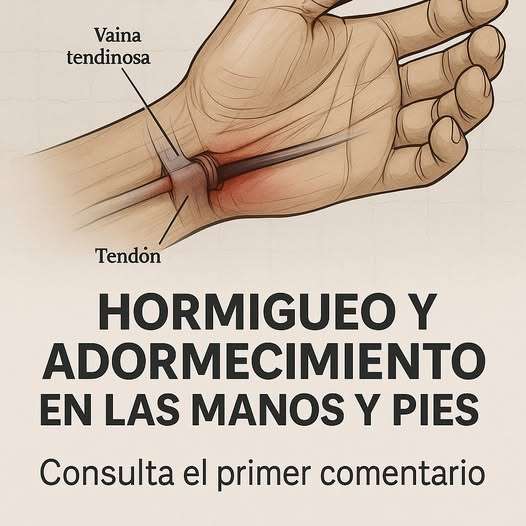
Have you ever experienced that unsettling sensation of your hand or fingers "falling asleep," marked by a tingling pins-and-needles feeling or temporary numbness? 🥱 This common phenomenon, known medically as paresthesia, can range from a minor, fleeting annoyance to a persistent symptom of an underlying health issue. In this comprehensive guide, we will explore the various reasons why your hands might frequently fall asleep, identify related conditions you should be aware of, and provide you with the best natural remedies to find relief and improve your nerve health.
🤔 Understanding the "Falling Asleep" Sensation
Before diving into the causes, it's helpful to understand what's actually happening. That familiar "falling asleep" feeling is primarily due to compression of nerves or blood vessels. When sustained pressure is applied—like leaning on your elbow or sleeping on your arm—it disrupts the normal communication between your nerves and brain, leading to numbness. Once the pressure is relieved, the nerve signals come rushing back, often causing that distinctive, sometimes uncomfortable, tingling sensation. While occasional episodes are normal, frequent occurrences warrant a closer look.
🔍 Common Causes of Hands Falling Asleep
Several everyday habits and activities can lead to temporary paresthesia. Recognizing these can help you make simple adjustments for prevention.
1. Poor Sleeping Postures 😴: Sleeping in a position that puts prolonged pressure on your arms, wrists, or hands is one of the most frequent culprits. Tucking your hands under your pillow or body can easily compress nerves.
2. Repetitive Strain Injuries (RSI) 💻: Activities involving repetitive motions, such as typing, using tools, or playing an instrument, can cause inflammation in the tendons and muscles of the wrist. This swelling can, in turn, put pressure on the nearby nerves.
3. Sustained Pressure on Limbs: Remaining in one position for too long, whether sitting cross-legged, holding a phone to your ear, or resting your elbows on a hard desk, can compress nerves and reduce blood flow.
⚠️ Underlying Medical Conditions to Consider
When the numbness and tingling become frequent or are accompanied by other symptoms, it could indicate a more significant health condition. It is crucial to consult a healthcare professional for an accurate diagnosis.
Carpal Tunnel Syndrome (CTS) 🖐️: This is a leading cause of persistent hand paresthesia. It occurs when the median nerve, which runs from your forearm into your palm, becomes compressed at the wrist. Symptoms often include tingling, numbness, and weakness in the thumb, index, and middle fingers, frequently worsening at night.
Pinched Nerve in the Neck (Cervical Radiculopathy): Problems in your neck, such as a herniated disc or arthritis, can irritate or compress a nerve root where it branches away from the spinal cord. This can cause pain, numbness, or weakness that radiates down your arm and into your hand.
Vitamin Deficiencies 🥗: Deficiencies in certain vitamins, particularly B12 (essential for healthy nerve function), can lead to nerve damage and paresthesia. A balanced diet is key to nerve health.
Diabetes 🩸: High blood sugar levels over time can cause diabetic neuropathy, a type of nerve damage that often begins in the hands and feet, presenting as numbness, tingling, or burning pain.
Thyroid Disorders: An underactive thyroid (hypothyroidism) can sometimes lead to peripheral neuropathy, contributing to sensations of numbness and tingling.
💚 Best Natural Remedies and Prevention Strategies
For many cases, especially those not linked to a severe underlying condition, natural remedies and lifestyle adjustments can provide significant relief and prevent future episodes.
1. Ergonomic Optimizations 🪑: Ensure your workspace supports a neutral wrist position. Use an ergonomic keyboard and mouse, and adjust your chair and desk height to maintain proper posture. Take regular breaks to stretch your hands and wrists during repetitive tasks.
2. Nerve Gliding Exercises ✋: These gentle exercises can help nerves move more freely through their surrounding tissues, reducing irritation. A simple exercise is to make a gentle fist, then slowly open your hand and spread your fingers wide, repeating several times.
3. Anti-Inflammatory Diet 🥑: Incorporate foods rich in anti-inflammatory properties and essential vitamins. Focus on sources of Vitamin B12 (fish, eggs, fortified cereals), Magnesium (leafy greens, nuts, seeds), and Omega-3 fatty acids (fatty fish, walnuts, flaxseeds).
4. Mindful Sleeping Positions 🛌: Try to sleep on your back or side with your arms in a neutral, non-bent position. Avoid tucking your hands under your head or body. Wearing a wrist splint at night can help keep your wrist straight if you suffer from Carpal Tunnel Syndrome.
5. Stress Management and Yoga 🧘♀️: Chronic stress can exacerbate muscle tension and inflammation. Practices like yoga, meditation, and deep breathing can reduce overall stress levels, which may indirectly benefit nerve health. Certain yoga poses can also improve circulation and relieve tension in the neck and shoulders.
6. Warm Compresses and Massage: Applying a warm compress to the affected area can help relax tight muscles and improve blood flow. Gentle massage of the hand, wrist, and forearm can also stimulate circulation and relieve pressure on nerves.
✅ Conclusion: Taking Control of Your Hand Health
While the occasional "falling asleep" of your hands is usually harmless, frequent episodes are your body's way of signaling that something is off. By understanding the potential causes—from simple positional pressure to conditions like Carpal Tunnel Syndrome—you are better equipped to address the root of the problem. Implementing practical strategies such as ergonomic adjustments, targeted exercises, and an anti-inflammatory diet can make a profound difference in your comfort and long-term nerve health. Remember, if symptoms persist, worsen, or are accompanied by weakness or pain, seeking professional medical advice is the most important step you can take. Listen to your body; your hands will thank you for it! 🙌
Leave a Reply