
Do Your Hands Frequently Fall Asleep? Discover the Possible Causes, Associated Conditions, and Best Natural Remedies
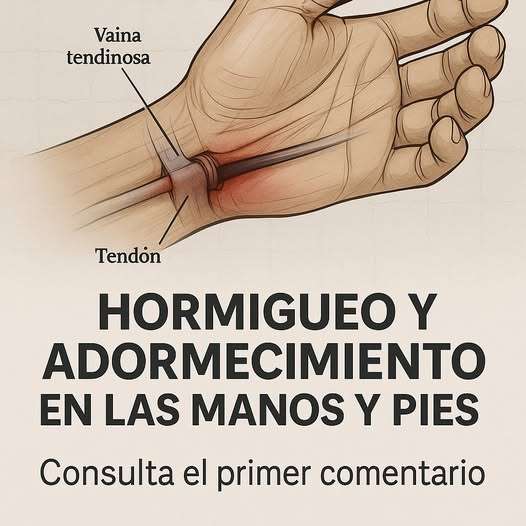
Have you ever experienced that unsettling sensation of your hands falling asleep? 🫣 That tingling, numbness, or "pins and needles" feeling, medically known as paresthesia, is more than just a minor annoyance. It can be a sign from your body that something needs attention. In this comprehensive guide, we'll explore the common and not-so-common reasons behind this phenomenon, the conditions it may be linked to, and effective natural strategies to find relief and improve your nerve health. Let's dive in and decode what your hands are trying to tell you! ✋
What Does It Mean When Your Hands "Fall Asleep"?
When we say our hands have fallen asleep, we're describing a temporary sensory disturbance. This typically occurs due to compression of nerves or blood vessels 🤕 leading to the hand. This pressure disrupts the normal communication between your nerves and brain, resulting in that familiar tingling (like tiny electric shocks) or a complete loss of feeling. While it often resolves quickly once you change position, frequent occurrences warrant a closer look.
Common Causes of Hand Numbness and Tingling
Often, the cause is simple and related to your daily habits or posture. Identifying these triggers is the first step toward prevention.
1. Poor Posture and Nerve Compression 😴
Sleeping with your arms or wrists bent at an awkward angle, or spending long hours at a desk with improper wrist support, can put direct pressure on the ulnar nerve (funny bone nerve) or the median nerve. This is one of the most frequent culprits for occasional symptoms.
2. Repetitive Strain Injuries (RSI) 💻
Activities involving repetitive hand or wrist motions—such as typing, using a mouse, or playing an instrument—can lead to inflammation in the tendons and ligaments. This swelling can, in turn, compress nearby nerves, causing symptoms of carpal tunnel syndrome.
3. Vitamin Deficiencies 🥗
Your nerves rely on specific vitamins to function correctly. A deficiency in Vitamin B12 is a well-known cause of neuropathy, which can manifest as persistent tingling and numbness in the hands and feet.
4. Dehydration 💧
Believe it or not, not drinking enough water can affect your nerve function. Proper hydration is essential for maintaining blood volume and electrolyte balance, both crucial for transmitting nerve signals effectively.
Associated Medical Conditions to Consider
If the numbness is persistent, severe, or accompanied by other symptoms, it could be linked to an underlying medical condition. It's crucial to consult a healthcare professional 🩺 for an accurate diagnosis if you suspect any of the following.
Carpal Tunnel Syndrome (CTS)
This occurs when the median nerve, which runs from your forearm into your palm, becomes squeezed at the wrist. Symptoms often include tingling, numbness, and weakness in the thumb, index, and middle fingers, frequently worsening at night.
Diabetes and Peripheral Neuropathy
High blood sugar levels over time can damage the small blood vessels that supply your nerves, leading to diabetic neuropathy. This often causes a symmetric "glove and stocking" numbness, starting in the hands and feet.
Thyroid Disorders
An underactive thyroid (hypothyroidism) can sometimes lead to peripheral neuropathy, resulting in tingling and numbness in the extremities.
Cervical Radiculopathy (Pinched Nerve in the Neck)
A problem with a disc or joint in your neck can irritate or compress a nerve root where it branches off from the spinal cord. This can cause pain, numbness, or weakness that radiates down the arm and into the hand.
Raynaud's Phenomenon
This condition causes some areas of your body—like your fingers and toes—to feel numb and cold in response to cold temperatures or stress. During an attack, blood vessels narrow, dramatically limiting blood flow to the affected areas.
Effective Natural Remedies and Prevention Strategies
For many cases, simple lifestyle adjustments and natural remedies can provide significant relief and prevent future episodes.
1. Ergonomic Adjustments and Stretching 🧘♀️
- Workspace Setup: Ensure your keyboard and mouse allow your wrists to remain in a neutral, straight position.
- Take Breaks: Follow the 20-20-20 rule for your hands. Every 20 minutes, take 20 seconds to stretch your hands and wrists.
- Simple Stretches: Try the "prayer stretch" or gently pulling your fingers back toward your wrist to stretch the forearm.
2. Anti-Inflammatory Diet 🥑
Incorporate foods rich in antioxidants and anti-inflammatory properties to support nerve health.
- Omega-3 Fatty Acids: Found in fatty fish (salmon, mackerel), flaxseeds, and walnuts.
- Magnesium: Abundant in leafy greens, nuts, seeds, and dark chocolate. Magnesium plays a key role in nerve function.
- B Vitamins: Focus on B12 (fortified foods, animal products) and B6 (chickpeas, tuna, salmon).
3. Stress Management and Posture Improvement 🧠
Chronic stress can lead to muscle tension, particularly in the neck and shoulders, which can compress nerves.
- Practice deep breathing, meditation, or yoga.
- Be mindful of your posture. Avoid slouching and try to keep your ears aligned with your shoulders when sitting or standing.
4. Warm Compresses and Gentle Massage ✋
Applying a warm compress to the neck, shoulders, or wrists can help relax tense muscles and improve blood circulation. Gentle self-massage of the hands and forearms can also alleviate tension and stimulate nerve function.
5. Stay Hydrated and Avoid Toxins 💦
Drink plenty of water throughout the day. Additionally, limit alcohol consumption and avoid smoking, as these can damage nerves and constrict blood vessels, worsening symptoms.
Conclusion: Taking Proactive Steps for Your Hand Health
Experiencing your hands falling asleep occasionally is usually harmless, but when it becomes a frequent visitor, it's a signal you shouldn't ignore. 🚨 We've journeyed through the potential causes—from simple positional pressure and repetitive strain to more complex conditions like carpal tunnel syndrome and diabetes-related neuropathy. The key takeaway is to listen to your body. By adopting an anti-inflammatory diet, making ergonomic improvements, managing stress, and performing simple stretches, you can take powerful, proactive steps toward relieving discomfort and protecting your long-term nerve health. If symptoms persist or are severe, always seek the guidance of a medical professional to rule out any serious underlying issues. Here's to happy, healthy, and feeling hands! 🎉
Leave a Reply