
Do Your Hands Often Fall Asleep? Discover the Possible Causes, Associated Conditions, and Best Natural Remedies
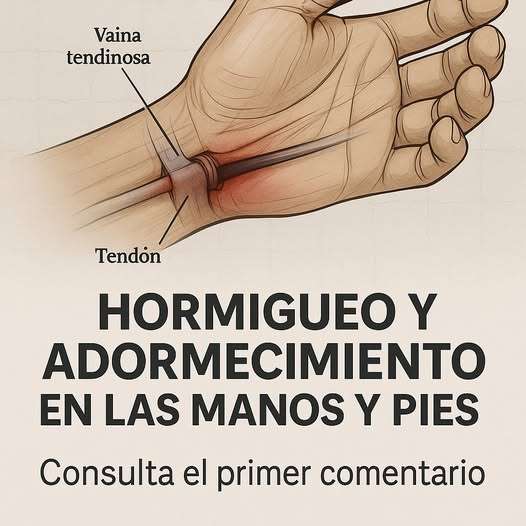
Have you ever experienced that unsettling sensation of your hand suddenly "falling asleep," turning into a numb, tingling, or prickly mass? 🖐️💤 If so, you're certainly not alone. This common phenomenon, known medically as paresthesia, can range from a minor, fleeting annoyance to a persistent symptom of an underlying condition. This article will guide you through the possible causes, associated health conditions, and the best natural remedies to help you regain comfort and sensation in your hands.
What Exactly is the "Falling Asleep" Sensation?
When we say a limb has "fallen asleep," we're describing paresthesia. This occurs when sustained pressure is applied to a nerve, disrupting its ability to send normal signals to the brain. Think of it like sitting on a garden hose—the water (or in this case, the nerve signal) can't flow properly. The resulting numbness is your body's way of signaling that a nerve is under distress. The familiar "pins and needles" feeling is the nerve waking back up and signals beginning to flow normally again.
Common Culprits: Everyday Causes of Hand Numbness
Often, the cause is benign and related to our daily habits. Here are some of the most frequent offenders:
🛌 Sleeping Position: Falling asleep with your arm pinned under your head or body is a classic cause. The weight of your body compresses the nerves and blood vessels in your arm.
💻 Repetitive Strain Injuries (RSI): Activities like typing, using a mouse, or working on an assembly line can cause inflammation in the tendons and ligaments of the wrist, which can then press on nearby nerves.
👩💼 Poor Posture: Slouching at your desk or cradling your phone between your ear and shoulder can misalign your neck and spine, leading to nerve compression that radiates down to your hands.
🤰 Pregnancy: Hormonal changes and fluid retention during pregnancy can put pressure on nerves, often causing temporary paresthesia.
When to Pay Closer Attention: Associated Medical Conditions
While often harmless, persistent or frequent hand numbness can be a red flag for more serious health issues. If you experience these symptoms regularly, it's crucial to consult a healthcare professional.
🟡 Carpal Tunnel Syndrome (CTS): This is one of the most common nerve compression disorders. It occurs when the median nerve, which runs from your forearm into your palm, becomes pressed or squeezed at the wrist. It often causes numbness in the thumb, index, and middle fingers.
🟡 Cervical Radiculopathy (Pinched Nerve in the Neck): A herniated disc or bone spur in your neck can compress the nerves that lead to your arms and hands, causing numbness, weakness, or pain.
🟡 Diabetes: Consistently high blood sugar can lead to diabetic neuropathy, a type of nerve damage that often begins in the hands and feet, causing numbness, tingling, or burning pain.
🟡 Vitamin Deficiencies: A deficiency in vitamins B12, B6, or E is a well-known cause of nerve problems and paresthesia. These vitamins are essential for maintaining a healthy nervous system.
🟡 Thyroid Disorders: An underactive thyroid (hypothyroidism) can sometimes lead to peripheral neuropathy, manifesting as numbness and tingling in the extremities.
Your Action Plan: Best Natural Remedies and Prevention
For occasional numbness not linked to a serious medical condition, several natural strategies can provide relief and prevention.
✨ Ergonomic Adjustments: Set up your workspace to support a neutral wrist position. Use an ergonomic keyboard and mouse, and ensure your chair and monitor are at the correct height.
✨ Stretch and Move: Incorporate regular breaks to stretch your hands, wrists, and neck. Simple exercises like wrist flexor and extensor stretches can work wonders. Try the "prayer stretch" and gently pulling your fingers back toward your wrist.
✨ Mind Your Posture: Be conscious of your sitting posture. Keep your shoulders relaxed, your back straight, and your computer screen at eye level to avoid unnecessary strain on your neck and shoulders.
✨ Anti-Inflammatory Diet: Incorporate foods rich in anti-inflammatory properties and B vitamins. Focus on leafy greens, nuts, fatty fish (like salmon), berries, and turmeric. Staying well-hydrated is also key for optimal nerve function.
✨ Warm Compresses: Applying a warm compress to your neck, shoulders, or wrists can help relax tense muscles and improve blood circulation, alleviating pressure on nerves.
✨ Stress Management: Practices like yoga, meditation, and deep breathing can reduce overall muscle tension, which is often a contributing factor to nerve compression.
Conclusion: Listen to What Your Body is Telling You
Experiencing your hands falling asleep occasionally is usually nothing to worry about and can be resolved with simple lifestyle changes. However, it's your body's way of sending a message. Persistent, frequent, or painful numbness should never be ignored, as it could be a sign of an underlying condition that requires medical diagnosis and treatment. By understanding the potential causes, making proactive ergonomic and dietary adjustments, and seeking professional advice when needed, you can take control of your hand health and keep those uncomfortable sensations at bay. 🙌
Leave a Reply