
Do Your Hands Frequently Fall Asleep? Discover the Possible Causes, Associated Conditions, and the Best Natural Remedies
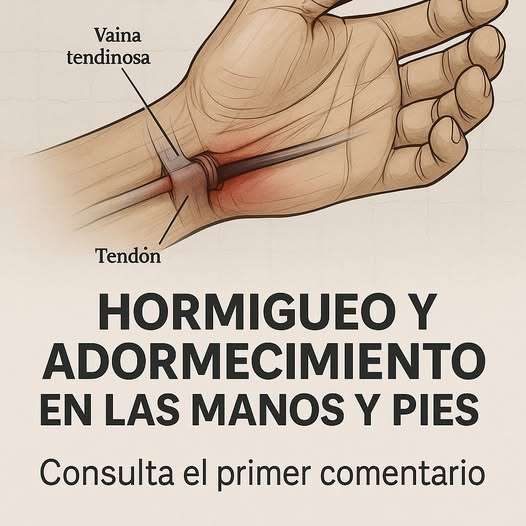
Have you ever experienced that unsettling sensation of your hand or fingers "falling asleep," accompanied by pins and needles or numbness? 🤚💤 This common phenomenon, known medically as paresthesia, can range from a temporary, minor annoyance to a persistent symptom of an underlying health issue. Understanding why this happens is the first step toward finding relief. This article will guide you through the possible causes, conditions associated with frequent occurrences, and the best natural remedies to help you regain comfort and sensation in your hands.
What Exactly is the "Falling Asleep" Sensation? 🧐
When we say a body part has "fallen asleep," we're describing a temporary sensory disturbance called paresthesia. This typically feels like a combination of numbness, tingling ("pins and needles"), and sometimes a mild burning sensation. It occurs when sustained pressure is applied to a nerve, disrupting its ability to send signals to the brain. Once the pressure is relieved, the nerve "wakes up," leading to that familiar, sometimes uncomfortable, prickling feeling as blood flow returns and normal nerve function resumes.
Common Culprits: Why Your Hands Frequently Fall Asleep
While occasional paresthesia is normal, frequent episodes warrant a closer look. Here are some of the most common causes:
1. Nerve Compression: This is the most frequent cause. The nerves traveling from your neck to your fingertips can be compressed at various points.
2. Poor Sleeping Postures: 🛌 Sleeping with your wrist bent at an awkward angle or with your arm tucked under your head or pillow can put direct pressure on the nerves and blood vessels in your arm and hand.
3. Repetitive Strain Injuries (RSI): 👩💻 Activities that involve repetitive motions of the hands and wrists, such as typing, using a mouse, or playing certain musical instruments, can lead to inflammation that compresses nerves.
4. Vitamin Deficiencies: 🥦 A deficiency in certain B vitamins (particularly B6, B12, and B1) is crucial for healthy nerve function. A lack of these can lead to nerve damage and paresthesia.
Associated Conditions to Be Aware Of ⚠️
If hand numbness is a regular occurrence without obvious pressure, it could be a symptom of a more systemic condition. It is crucial to consult a healthcare professional for an accurate diagnosis if you experience persistent or worsening symptoms.
Carpal Tunnel Syndrome (CTS): This is a classic condition where the median nerve is compressed as it travels through the wrist's carpal tunnel. It often causes tingling, numbness, and pain in the thumb, index, and middle fingers, frequently waking people up at night.
Cervical Radiculopathy: Often called a "pinched nerve" in the neck, this happens when a nerve root in the cervical spine is compressed or irritated due to a herniated disc, bone spurs, or spinal stenosis. The pain and numbness can radiate down the arm and into the hand.
Diabetes: 🩸 Persistently high blood sugar levels can lead to diabetic neuropathy, a type of nerve damage that commonly affects the hands and feet, causing numbness, tingling, or burning pain.
Thyroid Disorders: An underactive thyroid (hypothyroidism) can sometimes cause peripheral neuropathy, leading to paresthesia in the extremities.
Top Natural Remedies for Relief and Prevention 🌿
For occasional or mild paresthesia, several natural strategies can provide significant relief and help prevent future episodes.
1. Ergonomic Adjustments: 🖥️ Set up your workspace to support neutral wrist positions. Use an ergonomic keyboard and mouse, and ensure your chair and desk height allow your forearms to be parallel to the floor.
2. Stretching and Movement Breaks: 🤸 Incorporate regular breaks into your routine to stretch your hands, wrists, neck, and shoulders. Simple exercises like wrist flexor and extensor stretches, and making gentle fists can improve circulation and nerve mobility.
3. Anti-Inflammatory Diet: 🥗 Chronic inflammation can contribute to nerve compression. Focus on a diet rich in anti-inflammatory foods like leafy greens, berries, nuts, and fatty fish. Ensure you're getting enough B vitamins from sources like whole grains, eggs, and lean meats.
4. Stress Management: 😌 Techniques such as yoga, meditation, and deep breathing can reduce overall tension in the body, which can, in turn, decrease muscle tightness that may be compressing nerves.
5. Warm Compresses and Massage: 🔥 Applying a warm compress to the neck, shoulders, or wrists can relax tight muscles and improve blood flow. Gentle self-massage of the forearms and hands can also help release tension.
Conclusion: Taking Control of Your Hand Health
While the sensation of your hands falling asleep can be unsettling, it's often a manageable issue. By understanding the common causes—from simple nerve compression to conditions like Carpal Tunnel Syndrome—you are better equipped to identify potential triggers in your own life. Remember, listening to your body is the first step toward healing. Implementing practical strategies like ergonomic improvements, targeted stretches, and an anti-inflammatory diet can offer profound relief. However, if symptoms are persistent, severe, or accompanied by weakness, do not hesitate to seek professional medical advice. Taking a proactive approach to your nerve health will help ensure your hands stay awake, alert, and ready for all of life's activities. 🙌
Leave a Reply