
Do Your Hands Frequently Fall Asleep? Discover the Possible Causes, Underlying Conditions, and Best Natural Remedies
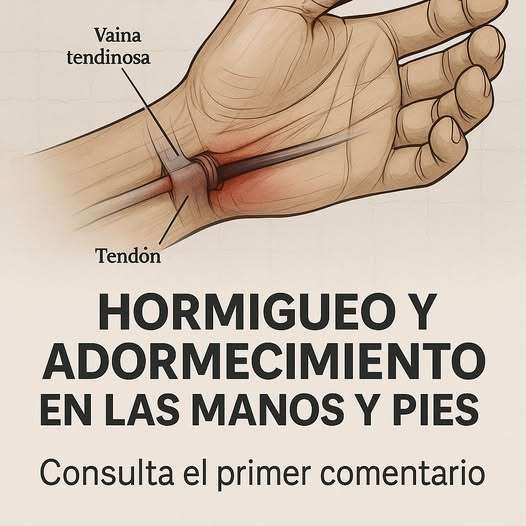
Have you ever experienced the unsettling sensation of your hand or fingers "falling asleep," accompanied by that familiar tingling pins-and-needles feeling? 🤚💤 This common phenomenon, medically known as paresthesia, is something most people encounter occasionally. However, when it becomes a frequent occurrence, it can be a sign that your body is trying to tell you something. This article will guide you through the possible causes, underlying health conditions, and the best natural remedies to address this annoying and sometimes worrying sensation. Let's demystify why your hands frequently fall asleep and what you can do about it.
What Does It Mean When Your Hand "Falls Asleep"?
Before diving into the causes, it's helpful to understand what's actually happening inside your body. That "asleep" feeling is primarily due to nerve compression or temporary reduced blood flow. Your nerves are like electrical wiring; when they are pressed upon—for instance, by leaning on your elbow or sleeping in an awkward position—the signals to and from your brain get interrupted. This results in numbness and tingling. Once you change position and the pressure is relieved, the nerve signals start firing again, creating that distinctive "pins and needles" sensation as they wake back up. 🔌⚡
Common Causes of Frequent Hand Numbness and Tingling
While occasional episodes are usually harmless, frequent occurrences warrant a closer look. Here are some of the most common culprits:
1. Poor Sleeping or Sitting Postures 😴
The most straightforward cause is positional pressure. Sleeping with your arm pinned under your head or body, or sitting with your elbows bent for prolonged periods (like at a desk), can compress the ulnar or radial nerves in your arm.
2. Repetitive Strain Injuries (RSI) 💻
Activities that involve repetitive motions of the hands and wrists—such as typing, using a mouse, or working on an assembly line—can lead to inflammation that compresses nerves.
3. Vitamin Deficiencies 🥗
Certain vitamins are crucial for nerve health. A deficiency in Vitamin B12 is a well-known cause of neuropathy and persistent tingling in the hands and feet.
Underlying Medical Conditions to Be Aware Of
If lifestyle factors aren't the issue, it's crucial to consider if an underlying medical condition is the root cause. Persistent hand numbness should never be ignored.
🩺 Carpal Tunnel Syndrome (CTS)
This is one of the most frequent diagnoses for hand numbness. It occurs when the median nerve, which runs from your forearm into your palm, becomes compressed at the wrist. The numbness typically affects the thumb, index, and middle fingers.
🩺 Cervical Radiculopathy (Pinched Nerve in the Neck)
Sometimes, the problem originates not in your hand, but in your neck. A herniated disc or bone spur in your cervical spine can "pinch" a nerve that serves your arm and hand, causing radiating pain, weakness, or numbness.
🩺 Diabetes
High blood sugar levels over time can lead to diabetic neuropathy, a type of nerve damage that often begins in the feet and hands. This is a serious condition that requires proper medical management.
🩺 Thyroid Disorders
An underactive thyroid (hypothyroidism) can sometimes cause peripheral neuropathy, leading to tingling sensations.
⚠️ Important: If your hand numbness is accompanied by sudden weakness, confusion, dizziness, or trouble speaking, seek immediate medical attention, as these could be signs of a stroke.
Best Natural Remedies and Practical Solutions
For non-emergency, frequent hand numbness, several natural and practical approaches can provide significant relief.
1. Ergonomic Adjustments 🪑
Set up your workspace to support neutral wrist positions. Use an ergonomic keyboard and mouse, and ensure your chair and desk are at the correct height. Take frequent breaks to stretch your hands and wrists every 20-30 minutes.
2. Stretching and Strengthening Exercises 🤸♀️
Incorporate simple exercises into your daily routine:
- Wrist Extensor Stretch: Hold your arm straight, palm down. Gently pull your fingers back toward your body with the other hand. Hold for 15-30 seconds.
- Prayer Stretch: Press your palms together in front of your chest, fingers pointing upward. Slowly lower your hands toward your waist, keeping your palms together, until you feel a stretch in your forearms.
3. Anti-Inflammatory Diet 🥑
Chronic inflammation can exacerbate nerve compression. Focus on a diet rich in omega-3 fatty acids (found in fish, walnuts, and flaxseeds), antioxidants (berries, leafy greens), and turmeric, which has natural anti-inflammatory properties.
4. Improve Your Sleep Posture 🛌
Avoid sleeping on your arms. Try to sleep on your back or side with your arms in a neutral, straight position. For side sleepers, a small pillow to support the arm can help maintain proper alignment.
5. Warm Compresses and Massage ✋
Applying a warm compress to your neck, shoulders, and wrists can help relax tight muscles that may be compressing nerves. Gentle self-massage of the forearms and hands can also improve circulation and relieve tension.
6. Consider Supplementation 💊
If you suspect a deficiency, consult your doctor about testing your B12 levels. They may recommend a high-quality supplement. Magnesium is another mineral that supports nerve function and muscle relaxation.
Conclusion: Taking Proactive Steps for Your Nerve Health
In summary, while the occasional "asleep" hand is normal, a frequent pattern of numbness and tingling is your body's signal that something is out of balance. We've explored how the causes can range from simple positional pressure and repetitive strain to more significant underlying conditions like Carpal Tunnel Syndrome or diabetes. The key is to listen to your body. Start with the practical, natural remedies—optimizing your workspace, incorporating stretches, and adjusting your diet and sleep habits. However, if the problem persists or is accompanied by other symptoms like weakness or pain, it is essential to consult a healthcare professional for an accurate diagnosis and a tailored treatment plan. Taking proactive steps today can help ensure the long-term health and comfort of your hands and nerves. 🙌
Leave a Reply