
Do Your Hands Often Fall Asleep? Find Out the Possible Causes, Associated Conditions, and Top Natural Remedies
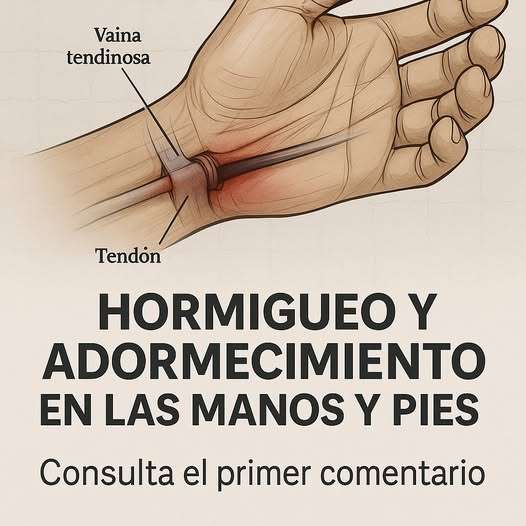
Have you ever experienced that unsettling sensation of your hand "falling asleep," turning into a tingling, numb, or even slightly painful "dead weight"? 🫣 This common phenomenon, known as paresthesia, can range from a minor, fleeting annoyance to a persistent issue that disrupts your sleep and daily activities. In this comprehensive guide, we will explore the possible causes behind this strange sensation, uncover associated health conditions you should be aware of, and provide you with top-tier natural remedies to find relief. Let's demystify why your hands often fall asleep and what you can do about it. 🤲
What Exactly Happens When Your Hand "Falls Asleep"?
Before diving into the causes, it's helpful to understand the mechanics. That "pins and needles" feeling is primarily a nerve issue. 🤔 It occurs when sustained pressure is applied to a nerve, disrupting its ability to send signals correctly to your brain. Think of it like sitting on a garden hose—the water (or in this case, the nerve signal) can't flow. When the pressure is relieved, the nerve "wakes up," leading to that characteristic tingling sensation as blood flow returns and signals resume. While usually temporary, frequent episodes warrant a closer look.
Common Culprits: The Usual Suspects Behind Numb Hands
Most of the time, the cause is benign and related to your posture or daily habits. Here are the most frequent offenders:
🛌 Sleeping Posture: Sleeping with your arm pinned under your head or body is a classic cause. This position compresses the nerves and blood vessels in your arm and wrist.
💻 Repetitive Strain Injuries (RSI): Spending long hours typing at a keyboard, using a mouse, or engaging in other repetitive motions can lead to inflammation in the wrist, putting pressure on the median nerve.
📵 "Texting Claw" and "Cell Phone Elbow": Holding your phone for extended periods, especially with your elbow bent sharply, can compress the ulnar nerve that runs through your elbow, causing numbness in your ring and pinky fingers.
When to Pay Closer Attention: Associated Health Conditions
If the numbness is frequent, isn't linked to an obvious position, or is accompanied by other symptoms, it could be a sign of an underlying medical condition. It's crucial to consult a healthcare professional for an accurate diagnosis if you suspect any of the following:
🩺 Carpal Tunnel Syndrome (CTS): This is one of the most common nerve compression disorders. It occurs when the median nerve, which runs from your forearm into your palm, becomes squeezed at the wrist. Symptoms often include tingling, numbness, and weakness in the thumb, index, and middle fingers.
📏 Cervical Radiculopathy (Pinched Nerve in the Neck): Problems in your neck, such as a herniated disc or bone spurs, can irritate or compress the nerves that travel down to your hands. The numbness often follows the nerve's path down your arm.
🩸 Vitamin Deficiencies: Deficiencies in vitamins B12, B6, and B1 are particularly known to cause neurological symptoms, including numbness and tingling in the hands and feet.
🌀 Diabetes: Persistent high blood sugar can lead to diabetic neuropathy, a type of nerve damage that commonly affects the extremities. This is a serious condition that requires careful management.
🛡️ Other Conditions: Less commonly, issues like hypothyroidism, rheumatoid arthritis, or even multiple sclerosis can have hand numbness as a symptom.
Your Action Plan: Top Natural Remedies for Relief
For occasional numbness not linked to a serious condition, these natural strategies can be highly effective:
🧘♀️ Ergonomic and Postural Adjustments: This is your first line of defense. Adjust your workstation to keep your wrists straight and your elbows at a 90-degree angle. While sleeping, try to keep your arms in a neutral position.
🤸 Stretch and Move Frequently: Incorporate regular breaks to stretch your wrists, neck, and shoulders. Simple exercises like wrist flexor and extensor stretches can work wonders. 🏃
💆 Nerve Gliding Exercises: These gentle exercises help "floss" the nerves, improving their ability to slide smoothly through the surrounding tissues. A physical or occupational therapist can teach you specific ones for the median and ulnar nerves.
🔥 Anti-Inflammatory Diet: Incorporate foods rich in omega-3 fatty acids (like salmon and walnuts), turmeric, and ginger to help reduce systemic inflammation that may be affecting your nerves.
🌿 Key Supplements: Consider supplementing with B-Complex Vitamins (especially B12), Magnesium (which supports nerve function), and Alpha-Lipoic Acid (a powerful antioxidant for nerve health), but always consult your doctor first.
❄️ Warm and Cold Therapy: A warm compress can relax tight muscles that may be compressing a nerve, while a cold pack can reduce acute inflammation. Experiment to see which provides more relief.
Conclusion: Taking Control of Your Hand Health
Experiencing a "sleeping" hand now and then is typically nothing to fear and is often a simple message from your body about your posture or habits. 🧠 However, listening to your body is paramount. If the problem is persistent, severe, or accompanied by muscle weakness, pain, or affects both sides of your body, seeking medical advice is non-negotiable. By understanding the potential causes, from simple positional pressure to conditions like Carpal Tunnel Syndrome, and by implementing practical, natural remedies such as ergonomic adjustments, targeted stretches, and an anti-inflammatory diet, you can take proactive steps toward comfort and long-term nerve health. Your hands are vital tools—give them the care they deserve! ✨
Leave a Reply