
Do Your Hands Often Fall Asleep? Discover the Underlying Causes, Associated Diseases, and Best Natural Remedies
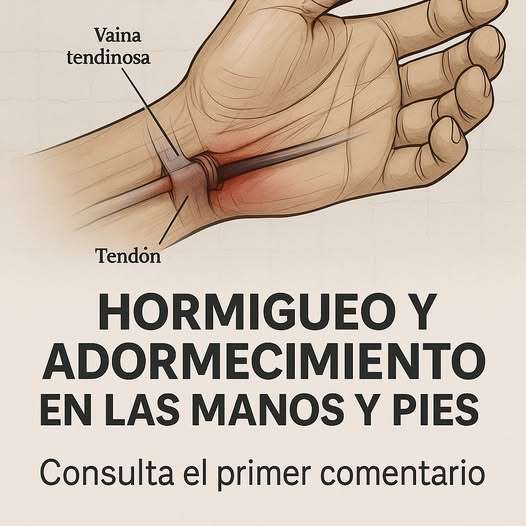
Have you ever experienced that unsettling sensation of your hand or fingers "falling asleep," turning into a numb, tingling, or even slightly painful "dead weight"? 🫣 This common phenomenon, known medically as paresthesia, is often brushed off as a minor annoyance. However, it can sometimes be your body's way of signaling an underlying issue. In this comprehensive guide, we'll explore the various reasons why your hands might fall asleep, uncover the potential diseases associated with this symptom, and provide you with the best natural remedies to find relief and regain comfort. Let's demystify this peculiar sensation together! 👋
What Does It Mean When Your Hand "Falls Asleep"?
That "pins and needles" feeling, medically termed paresthesia, occurs when sustained pressure is applied to a nerve, disrupting its normal function. Think of a nerve like an electrical cable; when it's compressed, the signals can't travel properly. This results in numbness. Once the pressure is relieved, the nerve "wakes up," leading to the characteristic tingling sensation as blood flow returns and signals resume. While occasional, brief episodes are usually harmless, frequent or persistent occurrences warrant a closer look. 🔍
Common Causes of Hand Numbness and Tingling
Understanding the root cause is the first step toward addressing the problem. Here are the most frequent culprits behind a sleeping hand:
1. Nerve Compression (The Usual Suspects):
• Carpal Tunnel Syndrome: This is a leading cause. It happens when the median nerve, which runs from your forearm into your palm, becomes compressed as it passes through the wrist's carpal tunnel. It often affects the thumb, index, and middle fingers, and symptoms may worsen at night. 😴
• Cubital Tunnel Syndrome: This involves the ulnar nerve (your "funny bone" nerve) getting compressed at the elbow. You might feel numbness and tingling in your ring and little fingers.
• Poor Sleeping Postures: Sleeping with your wrist bent or with your arm tucked under your head or pillow can put direct pressure on the nerves and blood vessels, leading to temporary paresthesia.
2. Poor Circulation 🩸
Reduced blood flow to the hands can also cause them to fall asleep. This can be due to tight clothing, jewelry, or simply maintaining a position that restricts blood flow for an extended period. The sensation is often accompanied by a feeling of coldness in the affected hand.
3. Vitamin Deficiencies
Certain vitamins are crucial for nerve health. A deficiency in Vitamin B12, in particular, can lead to nerve damage and persistent tingling or numbness in the hands and feet.
4. Repetitive Strain Injuries (RSI)
Jobs or activities that involve repetitive hand or wrist movements (like typing, using tools, or playing an instrument) can cause inflammation that puts pressure on nerves over time.
When to Be Concerned: Associated Diseases and Conditions 🚨
While often benign, persistent hand numbness can be a symptom of more serious underlying health conditions. It's crucial to consult a healthcare professional if you experience frequent, severe, or progressive symptoms.
• Diabetes: High blood sugar levels can lead to diabetic neuropathy, a type of nerve damage that commonly causes tingling, numbness, or pain in the hands and feet.
• Thyroid Disorders: An underactive thyroid (hypothyroidism) can sometimes cause fluid retention that compresses nerves, leading to paresthesia.
• Autoimmune Diseases: Conditions like Rheumatoid Arthritis can cause inflammation in the joints, which may compress nearby nerves. Other autoimmune diseases like Lupus or Multiple Sclerosis (MS) can also affect the nervous system directly.
• Cervical (Neck) Issues: A herniated disc, arthritis, or other problems in your neck can irritate the nerves that travel down to your arms and hands, causing numbness.
Best Natural Remedies and Practical Solutions ✨
For occasional, non-alarming hand numbness, several natural and practical approaches can provide significant relief and prevention.
1. Ergonomic Adjustments and Posture
• Optimize Your Workspace: Ensure your desk, chair, and computer are set up to promote a neutral wrist position. Use an ergonomic keyboard and mouse if necessary. 🖥️
• Mind Your Sleep: Try to sleep with your arms and hands in a neutral, straight position. You can wear a wrist splint at night to prevent bending.
2. Stretching and Exercise 🧘♀️
Regular stretching can alleviate pressure on nerves and improve circulation.
• Wrist Flexor Stretch: Extend your arm with your palm facing up. Gently pull your fingers down toward the floor with your other hand. Hold for 15-30 seconds.
• Wrist Extensor Stretch: Extend your arm with your palm facing down. Gently pull your fingers down toward the floor. Hold for 15-30 seconds.
• Strengthen Your Grip: Using a stress ball or therapy putty can help strengthen the muscles in your hands and improve overall nerve function.
3. Anti-Inflammatory Diet and Supplements
• Focus on Whole Foods: Incorporate anti-inflammatory foods like leafy greens, berries, nuts, and fatty fish (rich in Omega-3s) into your diet.
• Consider Supplements: If deficient, supplementing with Vitamin B Complex (especially B12) and Magnesium can support nerve health. Always consult with a doctor before starting any new supplement regimen. 💊
4. Temperature Therapy
• Warm Compress: Applying a warm towel or heating pad to the affected area can relax tight muscles and improve blood flow.
• Contrast Baths: Alternating between warm and cool water immersions for your hands can help stimulate circulation and reduce inflammation.
5. Lifestyle Modifications
• Take Frequent Breaks: If your work is repetitive, make a habit of taking short breaks every 30 minutes to stretch your hands and shake them out.
• Maintain a Healthy Weight: Excess weight can contribute to inflammation and increase the risk of conditions like carpal tunnel syndrome.
• Stay Hydrated: Proper hydration is essential for maintaining healthy blood volume and circulation. 💧
Conclusion: Listen to Your Body's Signals
That occasional "falling asleep" sensation in your hands is often a simple reminder from your body to change position or take a break. However, when it becomes a frequent or troubling guest, it's a signal worth investigating. We've explored how it can range from temporary nerve compression to a potential symptom of conditions like diabetes or carpal tunnel syndrome. The good news is that through ergonomic adjustments, targeted stretches, an anti-inflammatory diet, and mindful lifestyle changes, you can often find significant relief and protect your long-term nerve health. Remember, your body communicates with you; paying attention to these subtle (or not-so-subtle) cues is a powerful step toward proactive wellness. If symptoms persist, never hesitate to seek professional medical advice for a proper diagnosis and personalized treatment plan. Here's to happy, healthy, and wide-awake hands! 🙌
Leave a Reply