
Do Your Hands Frequently Fall Asleep? Discover the Possible Causes, Related Conditions, and Best Natural Remedies
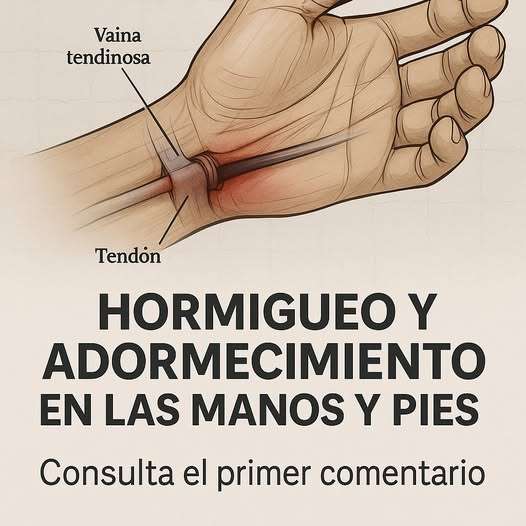
Do you often experience that unsettling pins-and-needles sensation or numbness in your hands, perhaps even waking you up at night? ✨ This common phenomenon, known medically as paresthesia or colloquially as your hands "falling asleep," is something many people dismiss. However, understanding its root causes is crucial for your long-term health and comfort. This article delves deep into the possible reasons behind this frequent numbness, explores related conditions you should be aware of, and provides a comprehensive guide to the best natural remedies to find relief and improve your well-being. Let's unravel the mystery behind those sleeping hands. 🔍
Understanding the Sensation: More Than Just a Nuisance
When we say our hands have "fallen asleep," we're describing temporary paresthesia. This occurs when sustained pressure is applied to a nerve, disrupting its normal signaling to the brain. The classic tingling and numbness are warning signs from your body. While occasional episodes from awkward sleeping positions are normal, frequent or persistent occurrences are your body's signal that something deserves your attention. Ignoring these signals can sometimes allow underlying issues to progress. 🚨
Common Causes of Frequent Hand Numbness
Identifying the trigger is the first step toward a solution. The causes range from simple habits to more complex neurological issues.
1. Nerve Compression Syndromes: This is a leading cause. Nerves traveling from your spine to your fingertips can get pinched at various points.
- Carpal Tunnel Syndrome (CTS): ⚙️ Compression of the median nerve as it passes through the wrist. Often linked to repetitive hand motions (typing, using tools).
- Cubital Tunnel Syndrome: Compression of the ulnar nerve at the elbow (your "funny bone" nerve). Leaning on your elbows or keeping the elbow bent for long periods can trigger it.
- Thoracic Outlet Syndrome (TOS): Compression of nerves and blood vessels between the collarbone and first rib. Can cause numbness in the fingers and a weak grip.
2. Poor Posture and Ergonomics: 🪑 How you sit, stand, and sleep matters immensely. Slouching at a desk, cradling a phone between your ear and shoulder, or sleeping with your wrists curled can all impinge nerves in your neck, shoulders, and arms.
3. Nutritional Deficiencies: Your nerves require specific vitamins to function correctly. Deficiencies in Vitamin B12, B6 (in excess), Vitamin E, and magnesium can lead to neuropathy symptoms, including numbness and tingling in the extremities. 🥦
Serious Conditions Related to Hand Numbness
While often benign, recurrent hand paresthesia can be a symptom of broader systemic health issues. It's vital to consult a healthcare professional for an accurate diagnosis if symptoms are severe or persistent.
🩺 Diabetes: High blood sugar levels can damage nerves over time, leading to diabetic neuropathy, which often starts in the hands and feet.
🩺 Hypothyroidism: An underactive thyroid can cause fluid retention and swelling, which may put pressure on nerves in the wrists and arms.
🩺 Cervical Radiculopathy: A "pinched nerve" in the neck, often from a herniated disc or arthritis in the cervical spine, can radiate pain and numbness down the arm and into the hand.
🩺 Autoimmune Diseases: Conditions like Rheumatoid Arthritis (causing joint inflammation) or Multiple Sclerosis (affecting the central nervous system) frequently have paresthesia as an early symptom.
Best Natural Remedies and Practical Tips for Relief
For non-emergency, recurring numbness, several natural and lifestyle approaches can offer significant relief and prevent future episodes.
1. Ergonomic Optimization: 🖥️
- Ensure your workstation supports a neutral wrist position. Use an ergonomic keyboard and mouse, and keep your elbows at a 90-degree angle.
- Take frequent breaks (every 30 minutes) to stretch your hands, wrists, and shoulders. Practice the "prayer stretch" and wrist flexor/extensor stretches.
2. Mindful Posture and Sleep Habits: 🛌
- Pay attention to your spinal alignment. Imagine a string pulling the crown of your head upward.
- At night, try to sleep on your back or side with your arms in a neutral position. Wearing wrist splints to bed can prevent flexion and extension that compress the carpal tunnel.
3. Targeted Exercises and Stretching: 💪
- Gentle neck tilts and rotations can relieve tension that may be affecting nerves exiting the spine.
- Strengthen forearm and grip muscles with stress ball squeezes or gentle resistance training to better support your joints and nerves.
4. Anti-Inflammatory Nutrition: 🌿
- Incorporate foods rich in omega-3 fatty acids (walnuts, flaxseeds, fatty fish), antioxidants (berries, leafy greens), and magnesium (nuts, seeds, spinach).
- Consider a high-quality B-complex supplement, especially B12, after discussing it with your doctor, particularly if you follow a plant-based diet.
- Stay well-hydrated and reduce your intake of processed foods and excessive sugar, which can exacerbate inflammation.
5. Stress Management and Alternative Therapies: 🧘
- Chronic stress can amplify muscle tension and pain perception. Practices like yoga, meditation, and deep breathing can be profoundly beneficial.
- Acupuncture and massage therapy (especially focusing on the forearms, shoulders, and neck) can help release muscle knots and improve circulation.
Conclusion: Taking Proactive Control of Your Hand Health
Frequent hand numbness is more than a fleeting inconvenience—it's a communicative symptom from your nervous system. 🧠 While the causes can range from simple positional pressure to indicators of more complex health conditions, the power to seek understanding and implement change lies with you. By combining awareness of your posture and daily habits, a nutrient-rich anti-inflammatory diet, and consistent, targeted stretching, you can address many of the common triggers. Remember, if symptoms are severe, worsening, or accompanied by weakness, dizziness, or speech changes, seeking immediate medical evaluation is non-negotiable. For chronic, mild-to-moderate cases, a proactive, natural approach can lead to substantial improvement in comfort and function, allowing you to work, create, and rest without the constant interruption of "sleeping" hands. Start listening to what your hands are telling you today. 🤝
Leave a Reply