
Do Your Hands Frequently Fall Asleep? Discover the Possible Causes, Associated Conditions, and Best Natural Remedies
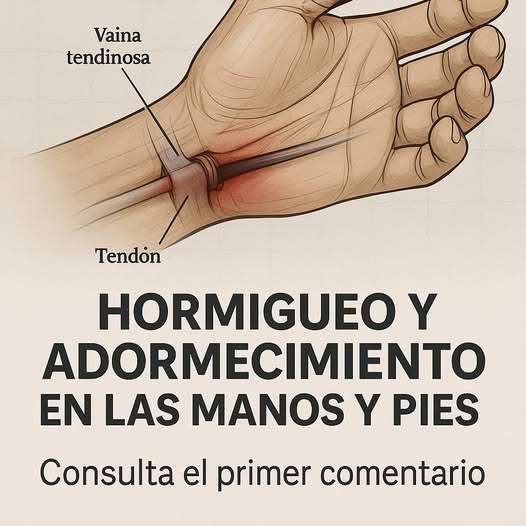
Have you ever experienced that unsettling, prickling sensation—like countless tiny needles—when your hand suddenly "falls asleep"? 🫢 This common phenomenon, known medically as paresthesia, is often temporary and harmless. However, when it becomes a frequent occurrence, it can be a sign from your body that something needs attention. This article will guide you through the possible causes, associated medical conditions, and highly effective natural remedies for persistent hand numbness. Our goal is to empower you with knowledge and practical solutions to improve your nerve health and overall well-being. 🤝
Understanding the "Pins and Needles" Sensation 🧠
Before diving into causes, it's helpful to understand what's happening in your body. The sensation of a limb "falling asleep" is typically due to nerve compression. Nerves are like electrical cables that transmit signals between your brain and the rest of your body. When pressure is applied to a nerve—for instance, from leaning on your elbow or sleeping on your arm—it interferes with these signals. This causes the characteristic numbness and tingling. Once the pressure is relieved, the nerve "wakes up," leading to that sometimes painful rush of sensation as blood flow returns and signals resume normally. 🔌
Common Causes of Frequent Hand Numbness 🤔
Occasional numbness is normal, but frequent episodes warrant a closer look. Here are the most common culprits:
1. Repetitive Strain and Poor Ergonomics: Spending long hours typing, using tools, or performing any repetitive hand motion can inflame tendons and compress nerves in the wrist, notably the median nerve. This is a primary pathway to issues like Carpal Tunnel Syndrome. 🖥️
2. Sleeping Position: We often tuck our hands under pillows or sleep with wrists bent, which can put prolonged pressure on nerves and blood vessels. 🔄
3. Nutritional Deficiencies: A lack of essential vitamins, particularly B12, B6, and E, can impair nerve function. Vitamin B12 is crucial for maintaining the myelin sheath, the protective coating around nerves. 🥦
4. Dehydration: Adequate fluid intake is essential for all bodily functions, including optimal blood circulation and nerve signaling. Even mild dehydration can exacerbate tingling sensations. 💧
Associated Medical Conditions to Consider 🩺
While often benign, persistent hand numbness can be a symptom of an underlying medical condition. It is crucial to consult a healthcare professional for an accurate diagnosis if symptoms are severe, progressive, or accompanied by weakness.
Carpal Tunnel Syndrome (CTS): This is the most well-known nerve entrapment syndrome. It occurs when the median nerve is compressed as it travels through the carpal tunnel in your wrist. Symptoms often include numbness in the thumb, index, middle, and part of the ring finger. ✋
Cervical Radiculopathy (Pinched Nerve in the Neck): Problems in your cervical spine (neck), such as a herniated disc or arthritis, can irritate the nerve roots that travel down to your arms and hands. Numbness from this source often follows a specific pattern down the arm. 👩⚕️
Diabetes and Peripheral Neuropathy: Chronically high blood sugar levels can damage nerves throughout the body, a condition called diabetic neuropathy. It often causes a symmetrical "glove and stocking" numbness, starting in the hands and feet. 🩸
Thyroid Disorders: Both an underactive (hypothyroidism) and overactive (hyperthyroidism) thyroid can lead to nerve-related symptoms, including tingling and numbness. ⚖️
Raynaud's Phenomenon: This condition causes some areas of the body—like fingers and toes—to feel numb and cold in response to stress or cold temperatures due to narrowed blood vessels. ❄️
Best Natural Remedies and Lifestyle Adjustments 🌿
Alongside medical advice, several natural strategies can help manage and prevent frequent hand numbness by addressing root causes like inflammation, poor circulation, and nerve compression.
Prioritize Ergonomic Optimization: Set up your workspace for success. Ensure your wrists are straight and your elbows are at a 90-degree angle while typing. Use ergonomic keyboards, mouse pads with wrist rests, and take frequent breaks to stretch. 🪑
Incorporate Nerve-Healthy Nutrients: Focus on an anti-inflammatory diet rich in foods that support nerve health. Increase your intake of:
• Omega-3 fatty acids: Found in fatty fish (salmon, mackerel), flaxseeds, and walnuts. They help reduce inflammation.
• B Vitamins: Found in leafy greens, eggs, legumes, and fortified nutritional yeast.
• Magnesium: Found in almonds, spinach, and avocados, it plays a role in nerve transmission and muscle relaxation. 🥑
Practice Targeted Stretches and Exercises: Gentle stretching can relieve pressure and improve circulation.
• Wrist Flexor Stretch: Extend your arm with palm up. Gently pull your fingers back toward your body with the other hand. Hold for 15-30 seconds. Repeat 3-5 times per hand.
• Nerve Gliding Exercises: These gentle movements help the median nerve move more freely through the carpal tunnel. (Consult a physical therapist for proper guidance). 🤸♀️
Improve Your Sleep Posture: Try to sleep with your arms and hands in a neutral position. Wearing a lightweight wrist splint at night can prevent you from bending your wrist unconsciously, a common recommendation for CTS. 🛌
Manage Stress and Inflammation: Chronic stress can worsen inflammation and muscle tension. Practices like yoga, meditation, and deep breathing can be profoundly beneficial for your entire nervous system. 🧘♂️
Stay Hydrated and Limit Toxins: Drink plenty of water throughout the day. Also, be mindful that excessive alcohol consumption and smoking can impair circulation and damage nerves, worsening symptoms. 🚭
Conclusion: Taking Proactive Steps for Your Nerve Health 🎯
Frequent hand numbness is more than just an annoying inconvenience; it's a communication from your nervous system. While we've explored common causes—from poor ergonomics and sleep posture to conditions like Carpal Tunnel Syndrome and diabetes—the most important step is attentive listening. Start with the practical lifestyle adjustments and natural remedies outlined here: optimize your workspace, nourish your body with nerve-supportive foods, integrate gentle stretches, and manage stress. These actions can significantly improve symptoms for many people.
However, never ignore persistent or worsening numbness, especially if it's accompanied by muscle weakness, pain, or affects both sides of your body. Seeking a professional medical evaluation is essential to rule out or properly manage any underlying conditions. By combining informed self-care with professional guidance, you can take control of your nerve health and ensure your hands stay alert, strong, and sensation-filled for all of life's tasks. 💪
Leave a Reply