
Do Your Hands Frequently Fall Asleep? Discover the Possible Causes, Associated Conditions, and Best Natural Remedies
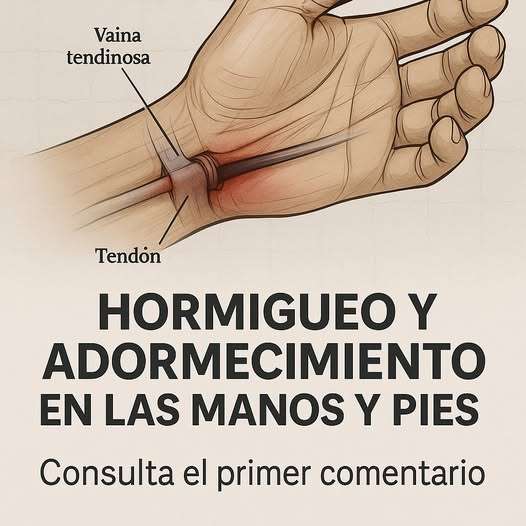
Introduction: That Pins and Needles Sensation Explained ✨
Have you ever experienced that unsettling sensation of your hand "falling asleep"—a strange numbness, tingling, or prickling known medically as paresthesia? 🖐️ While occasional, brief episodes are often harmless and resolve quickly, frequent or persistent hand numbness can be a signal from your body that something needs attention. This article delves deep into the potential causes behind this common issue, explores associated health conditions you should be aware of, and provides a comprehensive guide to effective, natural remedies and lifestyle strategies. Our goal is to empower you with knowledge and practical steps to improve your nerve health and overall well-being.
What Does It Mean When Your Hands Fall Asleep? 🤔
That "asleep" feeling is primarily a communication issue within your nervous system. It occurs when there is sustained pressure on a nerve, disrupting its normal signaling. Think of a nerve like an electrical cable; pressure can temporarily block or misfire the signals traveling to and from your brain. The tingling sensation upon moving is often the nerve "waking up" and signals restarting. However, when this happens frequently without obvious pressure, it may indicate an underlying irritation or compression of the nerves, most commonly the median, ulnar, or radial nerves serving the hand and arm.
Common Causes of Hand Numbness and Tingling 🔍
Identifying the trigger is the first step toward a solution. Here are the most frequent culprits:
1. Repetitive Strain and Poor Ergonomics: Spending long hours typing, using a mouse, or performing repetitive motions can inflame tendons and compress nerves in the wrist and forearm. This is a hallmark of modern desk jobs. 🖥️
2. Sleeping Posture: Many people sleep with their wrists bent or with their arm pinned under their body, putting direct pressure on nerves for extended periods. 💤
3. Nutritional Deficiencies: A lack of essential vitamins, particularly B12, B6, and E, as well as minerals like magnesium and potassium, can impair nerve function and health. 🥑
4. Dehydration and Circulation: Inadequate fluid intake can lead to reduced blood volume and poorer circulation, potentially exacerbating nerve symptoms. 💧
5. Direct Nerve Compression: Activities like leaning on your elbows, carrying heavy bags with straps on the forearm, or prolonged cycling can compress specific nerves like the ulnar nerve (the "funny bone" nerve).
Associated Medical Conditions to Consider 🩺
Frequent hand paresthesia can sometimes be a symptom of a more systemic condition. It's crucial to consult a healthcare professional for an accurate diagnosis if symptoms are severe or persistent. Associated conditions include:
Carpal Tunnel Syndrome (CTS): The most common entrapment neuropathy, where the median nerve is compressed as it travels through the wrist's carpal tunnel. Symptoms often affect the thumb, index, and middle fingers. 🔧
Cervical Radiculopathy ("Pinched Nerve" in the Neck): Problems in the cervical spine (like a herniated disc or arthritis) can irritate the nerve roots that extend into the arms and hands, causing numbness. This is a frequent cause of nighttime symptoms.
Diabetes and Peripheral Neuropathy: Chronically high blood sugar levels can damage nerves throughout the body, often starting in the hands and feet, leading to persistent numbness, pain, or tingling. 🩸
Hypothyroidism: An underactive thyroid can lead to fluid retention and tissue swelling, which may put pressure on nerves in the wrists and arms.
Raynaud's Phenomenon: This condition affects blood supply to certain parts of the body, especially fingers and toes, causing them to become numb and cold in response to stress or cold temperatures. ❄️
Vitamin B12 Deficiency: Critical for nerve health, a deficiency can cause significant neurological symptoms, including persistent paresthesia.
Effective Natural Remedies and Lifestyle Adjustments 🌿
For many, managing hand numbness involves proactive, natural strategies focused on reducing inflammation, improving posture, and supporting nerve health.
1. Prioritize Ergonomics: Ensure your workspace supports a neutral wrist position. Use an ergonomic keyboard and mouse, keep your elbows close to your body at a 90-degree angle, and take micro-breaks every 30 minutes to stretch. 🪑
2. Stretch and Strengthen: Regular exercises can keep the nerves gliding smoothly and strengthen supportive muscles.
- Wrist Flexor/Extensor Stretch: Hold your arm out, pull fingers back gently (hold 15-30 sec), then push them down gently.
- Median Nerve Glide: Make a "stop" sign, then slowly make a fist with your thumb inside, and gently bend your wrist downward.
- Strengthen Grip: Use a stress ball or therapy putty for gentle, regular squeezing exercises.
3. Optimize Your Sleep Position: Try to sleep with your wrists in a straight, neutral position. Wearing a supportive wrist splint at night can be incredibly effective for conditions like CTS, as it prevents unconscious bending. 😴
4. Anti-Inflammatory Nutrition: Incorporate foods rich in omega-3 fatty acids (like salmon, flaxseeds), antioxidants (berries, leafy greens), and anti-inflammatory spices (turmeric, ginger). Ensure adequate intake of B vitamins through foods like eggs, legumes, and lean meats. 🥗
5. Manage Underlying Health Conditions: Work with your doctor to properly manage conditions like diabetes or hypothyroidism, as this is fundamental to reducing nerve-related symptoms.
6. Apply Contrast Hydrotherapy: Alternating between warm and cool compresses on the affected area can help stimulate circulation and reduce inflammation. Start and end with warm (3-4 min warm, 1 min cool, repeat 2-3 times). 🧊🔥
When to Seek Professional Medical Advice ⚠️
While lifestyle changes are powerful, certain signs warrant prompt medical evaluation. Do not delay seeking professional help if you experience: numbness that doesn't go away, weakness in your hand or arm (like dropping objects), symptoms that affect both sides of your body or your legs, or if the numbness is accompanied by dizziness, confusion, or a severe headache. These could indicate more serious neurological or cardiovascular issues. A doctor can perform tests (like nerve conduction studies or EMG) to pinpoint the cause and recommend appropriate treatment, which may include physical therapy, medication, or in some cases, surgery.
Conclusion: Taking Proactive Control of Your Nerve Health 💪
Frequent hand numbness is more than just a minor annoyance; it's a messenger. By understanding the common causes—from repetitive strain and poor posture to nutritional gaps—and being aware of the associated medical conditions, you are better equipped to address the root of the problem. Implementing the natural remedies and lifestyle adjustments outlined, such as ergonomic improvements, targeted stretches, and an anti-inflammatory diet, can significantly alleviate symptoms and prevent further nerve irritation. Remember, listening to your body and taking consistent, small actions is key. If symptoms persist or cause concern, always consult a healthcare provider to rule out serious conditions. Your hands are vital tools for interacting with the world—give them the care and attention they deserve to stay healthy, strong, and sensation-free. 🌟
Leave a Reply