
Do Your Hands Frequently Fall Asleep? Discover What May Be Behind It, Associated Diseases, and the Best Natural Remedies
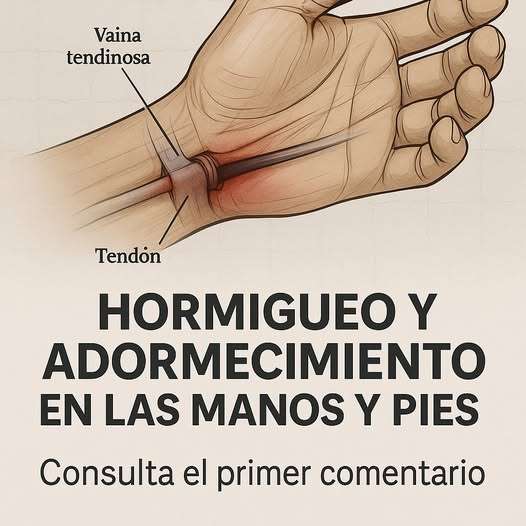
Do Your Hands Frequently Fall Asleep? Discover What May Be Behind It 🧤
That sudden, unsettling sensation of pins and needles, numbness, or a "dead" feeling in your hands is more than just a minor nuisance. Medically known as paresthesia, having your hands "fall asleep" frequently can be your body's way of sending an important signal. 🚨 While an occasional episode from sleeping in an awkward position is normal, persistent or recurrent numbness warrants a closer look. This article will delve into the common and serious causes behind this phenomenon, explore associated diseases, and provide you with a toolkit of effective, natural remedies to regain comfort and sensation.
Understanding the "Pins and Needles": What's Happening in Your Body? ⚙️
At its core, this sensation is often a nerve issue. Nerves are like electrical cables transmitting signals between your brain and extremities. When a nerve is compressed, irritated, or damaged, the signals get mixed up or blocked, leading to numbness, tingling (paresthesia), or even pain. The most common sites for compression in the arm are the wrist (carpal tunnel) and the elbow (cubital tunnel). Identifying where the sensation occurs—fingers, palm, whole hand—can be a crucial clue for pinpointing the affected nerve.
Common Culprits: Everyday Causes of Hand Numbness
Before jumping to conclusions, consider these frequent, often posture-related causes:
- Repetitive Strain and Poor Ergonomics: Hours spent typing, using a mouse, or performing repetitive manual tasks can inflame tendons and compress nerves in the wrist. 🖥️
- Sleeping Posture: Tucking your hands under your pillow or sleeping with your wrists bent can put direct pressure on nerves for extended periods.
- Vitamin Deficiencies: Vitamins B12, B6, and E are vital for nerve health. A deficiency, especially in B12, can lead to neuropathy and persistent tingling.
- Dehydration and Electrolyte Imbalance: Proper fluid and mineral balance (sodium, potassium, magnesium) are essential for optimal nerve function.
Associated Diseases: When to Seek Medical Attention ⚠️
Frequent hand numbness can sometimes be a symptom of an underlying medical condition. It is essential to consult a healthcare professional for a proper diagnosis if symptoms are severe, worsening, or accompanied by other issues. Key conditions include:
- Carpal Tunnel Syndrome: The most common entrapment neuropathy, caused by pressure on the median nerve as it passes through the wrist. It often causes numbness in the thumb, index, middle, and part of the ring finger.
- Cervical Radiculopathy ("Pinched Nerve" in the Neck): Problems in the cervical spine (like a herniated disc or arthritis) can irritate nerve roots that travel down to the hands, causing numbness or weakness.
- Diabetes: High blood sugar levels can, over time, damage nerves throughout the body, a condition called diabetic neuropathy, which often starts in the hands and feet.
- Raynaud's Disease: This affects blood circulation, causing fingers to become numb, cold, and change color (white, blue, then red) in response to cold or stress.
- Autoimmune Disorders: Conditions like Rheumatoid Arthritis or Lupus can cause inflammation that compresses or damages nerves.
Your Action Plan: The Best Natural Remedies and Lifestyle Adjustments 🌿
For non-emergency, occasional numbness driven by lifestyle factors, these natural strategies can be profoundly effective:
1. Ergonomic Optimization: Set up your workstation so your wrists are straight and your elbows are at a 90-degree angle. Use ergonomic keyboards, mouse pads with wrist rests, and take micro-breaks every 30 minutes to stretch. ✍️
2. Targeted Stretching and Strengthening: Simple exercises can work wonders. Try the "prayer stretch," wrist flexor and extensor stretches, and gently strengthening your grip with a soft stress ball. Consistency is key here—make it a daily routine.
3. Anti-Inflammatory Nutrition: Fuel your nerves with a diet rich in omega-3s (fatty fish, flaxseeds), antioxidants (berries, leafy greens), and magnesium (nuts, spinach, avocado). Consider supplementing with a high-quality B-complex vitamin after discussing it with your doctor.
4. Mindful Posture and Sleep Habits: Be conscious of keeping your wrists straight during daily activities. At night, try wearing a neutral wrist splint to prevent bending while you sleep. 🛌
5. Warm Compresses and Gentle Massage: Applying warmth to the forearm and wrist can relax muscles and improve circulation. Follow with gentle massage from your fingertips up to your elbow to stimulate blood flow.
6. Stress Management: Chronic stress can exacerbate muscle tension and inflammation. Practices like yoga, meditation, or deep breathing can help manage stress levels and indirectly benefit nerve health. 🧘♂️
Conclusion: Taking Proactive Control of Your Hand Health
Frequent hand numbness should not be ignored or dismissed. It is a communicative symptom that bridges everyday habits and potential health conditions. By understanding the common causes—from poor ergonomics to nutritional gaps—and being aware of the more serious associated diseases, you are empowered to take informed action. Start by integrating the practical, natural remedies outlined above: optimize your workspace, commit to daily stretches, and nourish your body with nerve-supporting nutrients. Listen to what your body is telling you. If simple adjustments don't bring relief, or if symptoms progress, seeking professional medical advice is the most important step toward a clear diagnosis and effective treatment. Regaining comfortable, sensation-filled hands is a vital part of your overall well-being and quality of life. 🙌
Leave a Reply