
Do Your Hands Often Fall Asleep? Discover the Possible Causes, Related Conditions, and Best Natural Remedies
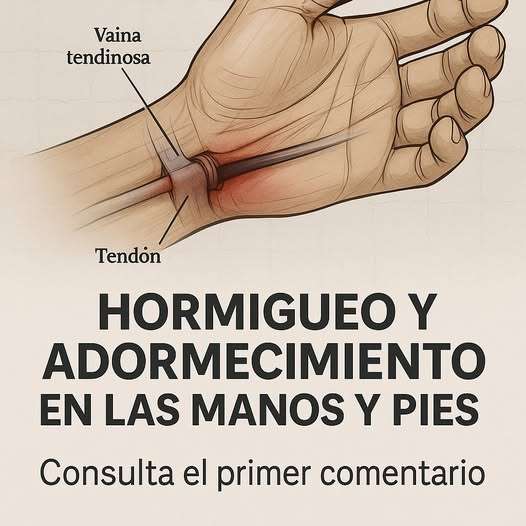
Have you ever experienced that unsettling sensation of pins and needles or numbness in your hands, perhaps waking you up at night or interrupting your daily tasks? 🖐️ That familiar feeling of your hand "falling asleep" is more than just a minor annoyance; it's your body's way of sending a signal. While occasional episodes are common and usually harmless, frequent occurrences can point to underlying issues that deserve attention. This article will guide you through the potential causes, related health conditions, and effective, natural strategies to regain comfort and sensation in your hands. Let's unravel the mystery behind this common yet often misunderstood sensation.
Understanding the "Pins and Needles" Sensation 🧠
The medical term for this feeling is paresthesia. It typically occurs when sustained pressure is applied to a nerve, disrupting its normal function and blood flow. Think of it like sitting on your foot—the nerve signals get temporarily blocked. When you change position and the pressure is relieved, the nerve fires back to life, causing that characteristic tingling or "pins and needles" feeling as it reawakens. This is known as transient paresthesia and is generally no cause for alarm. However, when paresthesia is frequent, persistent, or occurs without obvious pressure, it's time to look deeper.
Common Culprits: Why Your Hands Might Fall Asleep ⚠️
Often, the causes are related to lifestyle or temporary physical states. Identifying these can be the first step toward relief.
Sleeping Position: The most common cause is sleeping with your wrist bent under your head or body, compressing the median nerve in your wrist. A simple change in posture can work wonders.
Repetitive Strain: Activities like typing, using tools, or playing an instrument for prolonged periods can inflame tendons and compress nerves in the wrist (carpal tunnel) or elbow.
Poor Posture: Slouching at your desk or holding your neck in an awkward position for long periods can pinch nerves in your neck (cervical radiculopathy) that travel down to your hands.
Vitamin Deficiencies: Deficiencies in key vitamins, particularly B12, B6, and E, are known to contribute to nerve health issues and paresthesia.
Dehydration and Electrolyte Imbalance: Proper nerve function relies on a delicate balance of electrolytes like potassium and sodium. Dehydration can disrupt this balance.
When to Look Deeper: Related Medical Conditions 🩺
If simple fixes don't help, or if numbness is accompanied by weakness, pain, or affects only one side of your body, it could indicate a more serious condition. Always consult a healthcare professional for a proper diagnosis.
- Carpal Tunnel Syndrome (CTS): This is a prime suspect for hand numbness, especially in the thumb, index, and middle fingers. It involves compression of the median nerve as it passes through the wrist.
- Cervical (Neck) Issues: Herniated discs, arthritis, or spinal stenosis in your neck can irritate nerves that extend to your hands.
- Diabetes and Peripheral Neuropathy: High blood sugar levels over time can damage nerves throughout the body, often starting in the hands and feet. This is a very common cause of chronic paresthesia.
- Raynaud's Phenomenon: This condition affects blood flow to the extremities, causing fingers and toes to become cold, numb, and change color in response to cold or stress.
- Thyroid Disorders: Both an underactive (hypothyroidism) and overactive (hyperthyroidism) thyroid can lead to nerve-related symptoms, including tingling in the hands.
- Vitamin B12 Deficiency: Crucial for nerve health, a lack of B12 can cause significant neurological symptoms, including persistent numbness and tingling.
Your Action Plan: Best Natural Remedies and Lifestyle Adjustments 💡
For many, a combination of natural strategies can provide significant relief and support long-term nerve health.
1. Ergonomic Optimization: Set up your workspace to support a neutral wrist position. Use ergonomic keyboards, mouse pads with wrist rests, and take frequent breaks to stretch. This single change can prevent a multitude of nerve issues.
2. Targeted Stretching and Exercise: Regular stretching of your wrists, forearms, neck, and shoulders can relieve pressure on nerves. Simple wrist flexor and extensor stretches, along with gentle neck tilts, are highly effective. 💪
3. Anti-Inflammatory Nutrition: Fuel your body with foods that fight inflammation and support nerves. Focus on omega-3 fatty acids (found in fish, flaxseeds), magnesium (leafy greens, nuts), and antioxidants from colorful fruits and vegetables. Consider supplementing with a high-quality B-complex vitamin after consulting your doctor.
4. Mindful Posture and Sleep Hygiene: Be conscious of your posture during the day. At night, try to sleep on your back or side with your arms straight and wrists in a neutral position. Wearing a supportive wrist splint to bed can prevent bending and compression.
5. Stress Management Techniques: Chronic stress can exacerbate muscle tension and nerve sensitivity. Practices like yoga, meditation, and deep breathing exercises can lower overall inflammation and improve your body's resilience. 🧘♀️
6. Warm Compresses and Massage: Applying warmth to stiff neck and shoulder muscles can improve circulation and relax tissues that may be impinging nerves. Gentle self-massage of the forearm and hand can also stimulate blood flow.
Conclusion: Taking Charge of Your Hand Health ✨
The sensation of your hands falling asleep is a powerful message from your nervous system. While often benign, persistent symptoms are a prompt to listen closely to your body. We've explored the spectrum from simple positional pressure to conditions like Carpal Tunnel Syndrome and diabetes-related neuropathy. The cornerstone of management is a proactive approach: optimizing your daily habits, nourishing your body with nerve-supportive nutrients, and incorporating targeted stretches.
Remember, the key is consistency. Start by implementing one or two lifestyle changes, such as improving your workspace ergonomics or adding a daily wrist stretch routine. If symptoms persist, worsen, or are accompanied by weakness, do not hesitate to seek professional medical advice for an accurate diagnosis. By understanding the possible causes and taking informed, natural steps towards relief, you can move towards a life with comfortable, sensation-filled hands. Your journey to better nerve health starts with the conscious decision to act today.
Leave a Reply