
Do Your Hands Frequently Fall Asleep? Find Out What May Be Causing It, Associated Conditions, and the Best Natural Remedies
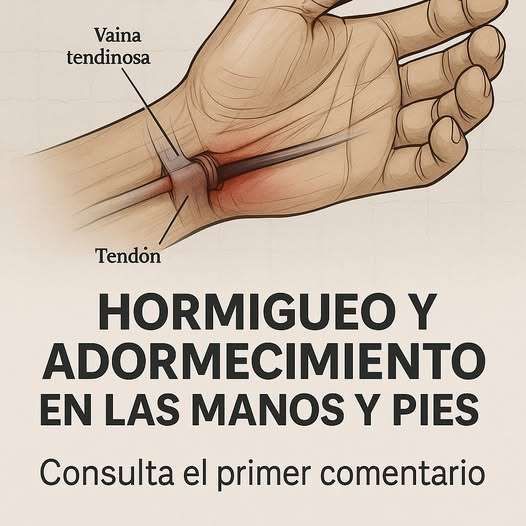
Have you ever experienced that unsettling pins-and-needles sensation, or a feeling of numbness, in your hands—perhaps while typing, driving, or even waking you up from sleep? ✋😴 This common phenomenon, often described as hands "falling asleep," is usually temporary but can be a frustrating and sometimes alarming sign. While occasional episodes are often harmless, frequent occurrences might be your body's way of signaling an underlying issue. This article will explore the potential causes behind this sensation, discuss associated health conditions you should be aware of, and provide a guide to the best natural remedies to find relief and improve your nerve health. Let's unravel the mystery behind those sleepy fingers and empower you with knowledge and solutions. 🧠💪
What's Really Happening When Your Hands Fall Asleep? 🧐
The medical term for this sensation is paresthesia. It occurs when sustained pressure is applied to a nerve, disrupting its normal signaling to the brain. Think of a nerve like an electrical cable; if you kink or compress it, the signal gets muddled. The result is that temporary numbness, tingling ("pins and needles"), or even a mild burning feeling. Most often, this is due to mechanical pressure from poor posture, like leaning on your elbows or sleeping with your wrists bent. Once you change position and relieve the pressure, blood flow returns, and the nerve resumes normal function, leading to that sometimes-uncomfortable "waking up" phase. However, if your hands fall asleep frequently without obvious pressure, it's time to look deeper.
Common Culprits and Associated Conditions 🔍
Persistent hand paresthesia can point to various conditions, ranging from repetitive strain injuries to systemic diseases. It's crucial to understand these potential links.
Carpal Tunnel Syndrome (CTS): This is one of the most frequent causes. It involves compression of the median nerve as it travels through a narrow passageway in your wrist (the carpal tunnel). Symptoms often include tingling, numbness, and weakness in the thumb, index, middle, and part of the ring finger, typically worsening at night. 👩💻
Cervical Radiculopathy (Pinched Nerve in the Neck): The nerves that service your hands originate in your cervical spine. A herniated disc, arthritis, or spinal stenosis in your neck can irritate or compress these nerve roots, causing symptoms that radiate down your arm and into your hand. 🤕
Nutritional Deficiencies: Deficiencies in key vitamins, particularly B12, B6, and B1 (thiamine), are well-known contributors to nerve dysfunction (neuropathy). These vitamins are essential for maintaining the protective myelin sheath around nerves.
Other Systemic Conditions: Underlying health issues like Diabetes (which can cause diabetic neuropathy), Hypothyroidism, autoimmune diseases (e.g., Rheumatoid Arthritis, Lupus), and even prolonged alcohol abuse can damage peripheral nerves over time.
Top Natural Remedies and Lifestyle Adjustments 🌿
Before these sensations become chronic, several natural strategies can promote nerve health and alleviate pressure. Always consult with a healthcare professional for an accurate diagnosis before starting any new treatment plan.
1. Ergonomic Optimization & Posture: Adjust your workspace! Ensure your wrists are in a neutral, straight position while typing. Use ergonomic keyboards, mouse pads with wrist rests, and take frequent breaks to stretch. Pay attention to your sleeping posture; consider wearing a wrist splint at night to keep your wrist straight if CTS is suspected. 🖥️
2. Targeted Stretching and Exercises: Gentle stretches can relieve pressure and improve flexibility. Try the "prayer stretch" (pressing palms together) and wrist flexor/extensor stretches. Strengthening exercises for the forearms and hands can also provide better support. A simple shake-out of the hands can stimulate circulation quickly. 🤲
3. Anti-Inflammatory Nutrition: Incorporate foods rich in magnesium (leafy greens, nuts), omega-3 fatty acids (fatty fish, flaxseeds), and antioxidants (berries, turmeric). These can help reduce inflammation that may be compressing nerves. Staying hydrated is also key for optimal tissue function. 🥗🐟
4. Stress Management and Mind-Body Practices: Chronic stress can exacerbate muscle tension and inflammation. Practices like yoga, tai chi, and meditation not only reduce stress but also improve body awareness, circulation, and posture. 🧘♀️
5. Temperature Therapy: Alternating warm and cold compresses can be very effective. Warmth increases blood flow and relaxes tight muscles, while cold reduces inflammation and numbs acute pain. A warm bath before bed can ease nighttime symptoms. ♨️❄️
Conclusion: Listen to Your Body's Signals 🎯
Frequent episodes of your hands falling asleep are more than just a minor nuisance—they are important messages from your nervous system. We've explored how this common sensation can stem from simple positional pressure to more complex conditions like Carpal Tunnel Syndrome, cervical issues, or nutritional deficiencies. The good news is that by adopting proactive measures such as ergonomic improvements, targeted stretches, and an anti-inflammatory diet, you can often find significant relief and support long-term nerve health. Remember, while natural remedies are powerful tools for management and prevention, persistent or worsening symptoms warrant a professional medical evaluation to rule out serious underlying causes. Take action today to give your hands—and your nerves—the care they deserve! 💚
Leave a Reply