
Do Your Hands Often Fall Asleep? Discover the Possible Causes, Associated Conditions, and Best Natural Remedies
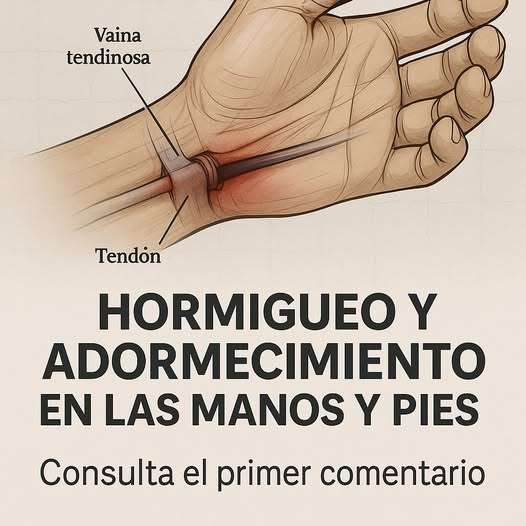
Have you ever felt a sudden tingling, numbness, or that unsettling "pins and needles" sensation in your hands, especially at night? 🤚💤 You're not alone. Many people experience their hands "falling asleep," a common but often bothersome occurrence. While usually temporary and harmless, frequent episodes can signal underlying issues worth exploring. This article delves into the possible causes, associated medical conditions, and effective natural remedies to help you regain comfort and sensation in your hands. Let's uncover why this happens and what you can do about it.
Understanding the "Pins and Needles" Sensation 🧠
The technical term for a limb "falling asleep" is paresthesia. It occurs when sustained pressure is applied to a nerve, disrupting its normal signaling to the brain. Think of it as sitting on a hose—the water flow (nerve signal) gets cut off. When the pressure is relieved, the nerve fires back to life, causing that familiar tingling rush as communication resumes. While occasional paresthesia is normal, frequent hand numbness, especially without obvious pressure, warrants a closer look.
Common Culprits: Why Your Hands Might Fall Asleep 🤔
Often, the causes are related to everyday habits and posture. A primary suspect is nerve compression. The nerves traveling from your spine to your fingertips can get pinched at various points.
Sleeping Position: Sleeping with your wrists bent under your head or body can compress the nerves and blood vessels in your hands and arms, leading to morning numbness.
Repetitive Strain: Activities like typing, using tools, or playing an instrument for prolonged periods can inflame tendons in the wrist, potentially squeezing the median nerve.
Poor Posture: Slouching at your desk or holding your neck in an awkward position for long can affect the nerves originating in your cervical spine, causing symptoms down your arms.
Associated Medical Conditions to Consider 🩺
When hand numbness is persistent, severe, or occurs alongside other symptoms, it could be linked to specific health conditions. It's crucial to consult a healthcare professional for an accurate diagnosis.
Carpal Tunnel Syndrome: This is a leading cause. It involves pressure on the median nerve as it passes through a narrow passageway in your wrist (the carpal tunnel). Symptoms often include numbness in the thumb, index, middle, and part of the ring finger.
Cervical Radiculopathy: Often called a "pinched nerve" in the neck, this occurs when a nerve root in the cervical spine is compressed or irritated, sending pain and numbness down the arm into the hand.
Vitamin Deficiencies: Deficiencies in vitamins B12, B6, or E are known to cause nerve damage (neuropathy), which can manifest as tingling and numbness in the extremities.
Underlying Systemic Conditions: Conditions like diabetes (which can cause diabetic neuropathy), hypothyroidism, rheumatoid arthritis, and multiple sclerosis can all have peripheral neuropathy as a symptom.
Best Natural Remedies and Lifestyle Adjustments 🌿
For occasional or mild cases, several natural approaches and ergonomic changes can provide significant relief and prevent future episodes.
Ergonomic Optimization: Ensure your workspace supports a neutral wrist position. Use an ergonomic keyboard and mouse, and keep your elbows at a 90-degree angle. Taking frequent breaks to stretch your hands and wrists is non-negotiable for prevention.
Targeted Stretches and Exercises: Simple wrist flexor and extensor stretches, along with nerve gliding exercises, can improve flexibility and reduce compression. For example, gently pressing your palms together in a prayer position and then pointing fingers downward is a great stretch.
Anti-Inflammatory Diet: Incorporate foods rich in omega-3 fatty acids (like salmon, walnuts), antioxidants (berries, leafy greens), and B vitamins. Turmeric and ginger are excellent natural anti-inflammatories. Staying well-hydrated is also key for maintaining healthy circulation and nerve function.
Mindful Posture and Sleep Habits: Be conscious of your sitting posture—ears over shoulders, shoulders over hips. Try wearing a wrist splint to bed to keep your wrist in a neutral, straight position and prevent bending during sleep.
Stress Management: Chronic stress can exacerbate muscle tension and inflammation. Practices like yoga, meditation, or deep-breathing exercises can help manage stress levels and indirectly benefit nerve health. 🧘♀️
Conclusion: Taking Control of Your Hand Health ✨
Experiencing your hands falling asleep can range from a minor nuisance to a sign of something needing medical attention. We've explored how everyday posture and sleep positions are common triggers, and how conditions like Carpal Tunnel Syndrome or nutrient deficiencies can play a role. The good news is that through proactive measures—ergonomic adjustments, specific stretches, an anti-inflammatory diet, and improved sleep posture—you can often find relief and strengthen your nervous system's resilience. Listen to your body; if numbness is frequent, painful, or accompanied by weakness, seeking professional advice is the most important step. By understanding the causes and implementing these practical, natural strategies, you can work towards keeping sensation—and comfort—in your hands.
Leave a Reply