
Do Your Hands Fall Asleep Often? Discover What May Be Behind It, Associated Conditions, and the Best Natural Remedies
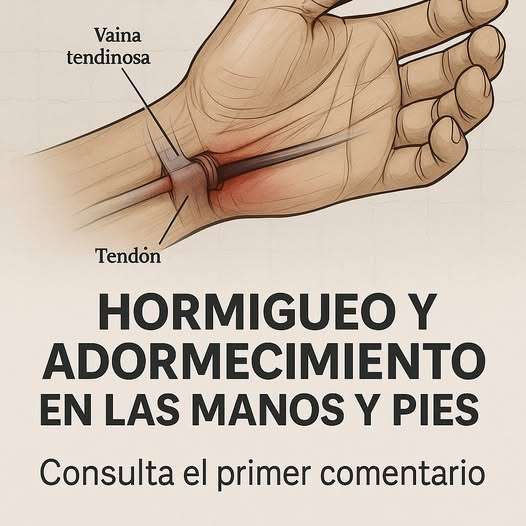
Do Your Hands Fall Asleep Often? Discover What May Be Behind It, Associated Conditions, and the Best Natural Remedies
Have you ever experienced that unsettling, prickling sensation—like dozens of tiny pins and needles—when your hand suddenly "falls asleep"? 🫳 While an occasional episode might be harmless, frequently recurring numbness or tingling in your hands can be your body's way of signaling an underlying issue. This comprehensive guide delves into the common and not-so-common reasons behind this phenomenon, explores associated medical conditions, and equips you with practical, natural strategies to find relief and improve your nerve health. Let's unravel the mystery behind those sleeping hands and awaken you to better well-being. ✨
Understanding the "Pins and Needles" Sensation 🧠
Medically known as paresthesia, the feeling of a limb "falling asleep" occurs when sustained pressure is applied to a nerve, disrupting its normal communication with your brain and spinal cord. Think of a nerve like an electrical cable; when it's compressed, the signals get mixed up, leading to temporary numbness, tingling, or a burning feeling. Usually, changing position to relieve the pressure allows the nerve to function normally again. However, persistent or recurrent episodes without obvious pressure are a key indicator that a deeper investigation is needed.
Common Culprits Behind Frequent Hand Numbness 🤔
Often, the causes are related to lifestyle or repetitive activities. Identifying these can be the first step toward a solution:
- Poor Posture and Repetitive Strain: Spending long hours at a desk with wrists flexed while typing or using a mouse can compress the median nerve in your wrist. This is a precursor to conditions like carpal tunnel syndrome.
- Sleeping Position: Tucking your hands under your pillow or body during sleep can put direct pressure on nerves and blood vessels for extended periods. 😴
- Vitamin Deficiencies: Vitamins B12, B6, and E are crucial for nerve health. A deficiency, especially in B12, can directly lead to nerve damage and paresthesia.
- Dehydration and Electrolyte Imbalance: Proper fluid and mineral balance (like potassium and magnesium) are essential for nerve impulse conduction. Dehydration can exacerbate nerve irritation.
Associated Medical Conditions That Demand Attention 🚨
When hand numbness is frequent, severe, or accompanied by other symptoms, it could point to specific health conditions. It is crucial to consult a healthcare professional for an accurate diagnosis if you suspect any of the following:
- Carpal Tunnel Syndrome (CTS): The most common entrapment neuropathy, where the median nerve gets squeezed as it travels through the wrist. Symptoms often affect the thumb, index, middle, and part of the ring finger.
- Cervical Radiculopathy (Pinched Nerve in the Neck): Issues in the cervical spine (like a herniated disc or arthritis) can irritate the nerve roots that travel down to your hands, causing numbness or weakness.
- Diabetes and Peripheral Neuropathy: High blood sugar levels over time can injure nerves throughout the body, often starting in the hands and feet. This is a classic sign of diabetic neuropathy.
- Raynaud's Phenomenon: This condition causes blood vessels in the extremities to narrow excessively in response to cold or stress, leading to numbness, color changes, and a cold feeling. ❄️
- Thyroid Disorders: Both hypothyroidism and hyperthyroidism can cause nerve damage and fluid retention that puts pressure on nerves.
Top Natural Remedies and Practical Tips for Relief 🌿
Incorporating these holistic approaches can help manage symptoms, support nerve function, and address root causes. Remember, consistency is more important than intensity when implementing natural remedies.
- Ergonomic Optimization: Adjust your workspace! Ensure your wrists are in a neutral, straight position while typing. Use ergonomic keyboards, mouse pads with wrist rests, and take frequent breaks to stretch. 🖥️
- Targeted Stretching and Exercise: Gentle yoga, wrist flexor/extensor stretches, and nerve-gliding exercises can improve flexibility and blood flow. Strengthening forearm muscles also provides better support for the wrist.
- Anti-Inflammatory Nutrition: Focus on a diet rich in omega-3 fatty acids (found in fish, flaxseeds), antioxidants (berries, leafy greens), and magnesium (nuts, spinach). Reduce processed foods and sugar to combat inflammation.
- Strategic Supplementation: Consider high-quality supplements for Vitamin B Complex, Alpha-Lipoic Acid (a potent antioxidant for nerves), and Magnesium Glycinate, but always under professional guidance.
- Mindful Body Mechanics: Be conscious of your posture while sitting, sleeping, and using mobile devices. Avoid positions that bend your wrist for long periods. While sleeping, try wearing a neutral wrist splint to keep your hand in a safe, straight position. 🛌
- Warm Compresses and Massage: Applying warmth to the neck, shoulders, and wrists can relax muscles and improve circulation. Gentle self-massage of the forearm and hand can release tension.
When to Seek Professional Medical Help 👩⚕️
While natural remedies are powerful for prevention and mild cases, certain red flags warrant immediate medical evaluation. Do not delay consultation if you experience: numbness that doesn't go away, weakness or clumsiness in your hands (e.g., dropping objects), symptoms that spread up your arm, or if the numbness occurs in conjunction with dizziness, slurred speech, or facial drooping (which could indicate a stroke). A doctor can perform tests like nerve conduction studies or EMGs to diagnose the exact cause.
Conclusion: Taking Proactive Control of Your Nerve Health
Frequent episodes of your hands falling asleep are more than a minor nuisance—they are meaningful messages from your nervous system. 🧬 By understanding the potential causes, from everyday habits to associated conditions, you empower yourself to take informed action. Integrating ergonomic adjustments, targeted nutrition, and mindful stretching can significantly improve symptoms and prevent further issues. However, listening to your body's warnings and seeking timely professional advice is the most crucial step of all. Start by implementing one or two practical tips today, and embark on a journey toward awake, alert, and healthy hands. Your future, more comfortable self will thank you. 🙌
Leave a Reply