
Spiny Lettuce: Uses and Benefits
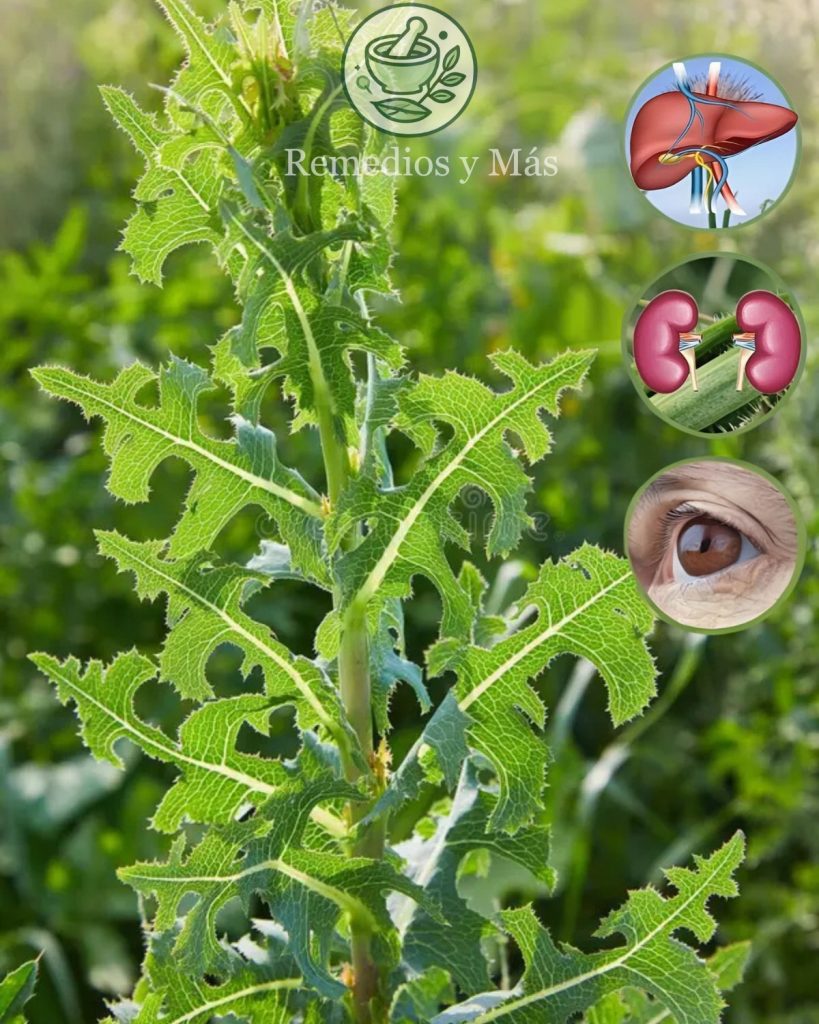
Spiny lettuce, a plant shrouded in historical intrigue and natural power, is emerging as a popular herbal ally for modern wellness. 🌿 Also known as wild lettuce or Lactuca virosa, this botanical treasure has been used for centuries for its remarkable calming and pain-relieving properties. Unlike many pharmaceutical options, it offers a gentler, non-addictive alternative for managing common ailments. This comprehensive guide will delve into everything you need to know about spiny lettuce: from its identifying features and historical uses to its extensive health benefits and, crucially, how you can prepare it safely at home. Let's dive into the world of this fascinating "vegetable opium" and unlock its potential for your well-being.
What Exactly is Spiny Lettuce?
Spiny Lettuce (Lactuca virosa) is a member of the Asteraceae family, which also includes daisies and sunflowers. It's a biennial plant, meaning it completes its life cycle over two years. In its second year, it develops a tall, sturdy stem that can reach impressive heights of up to two meters (over six feet). A key identifying feature is the milky white latex, or sap, that oozes out when the stem or leaves are broken. This latex has a characteristically bitter taste and is the primary source of the plant's medicinal compounds.
The plant boasts elongated, green leaves with serrated, spiny edges—giving it its common name. At the top of the stem, it produces a cluster of small, yellow, dandelion-like flowers. It's a hardy and resilient plant, often found growing wild in temperate regions across Europe, North America, and parts of Asia, thriving in a variety of soils and conditions.
Other Common Names for Spiny Lettuce
This plant is known by several names around the world, each hinting at its characteristics or effects:
- Wild Lettuce
- Vegetable Opium 🍃
- Bitter Lettuce
- Lactucarium
- Opium Lettuce
The name "Vegetable Opium" stems from its historical use as a mild sedative and analgesic, though it's crucial to understand that it does not contain actual opiates and does not carry the same high risk of addiction.
Unlocking the Medicinal Properties of Spiny Lettuce
The powerful effects of spiny lettuce are attributed to active compounds called lactucin and lactucopicrin. These natural chemicals interact with the body's central nervous system to produce a range of therapeutic benefits. Here’s a detailed look at its most celebrated health advantages:
1. Natural Sedative and Sleep Aid 😴
The latex of spiny lettuce has a profound calming effect on the nervous system. It has been traditionally used to alleviate:
- Insomnia and sleep disorders
- Generalized anxiety and restlessness
- Nervousness and emotional stress
- Mild states of agitation
Its major advantage is that it is non-habit-forming, making it a safer long-term option for those seeking a natural relaxant.
2. Effective Pain Relief
Acting as a mild to moderate analgesic, spiny lettuce can be a great help in managing various types of pain, such as:
- Menstrual cramps and discomfort
- Muscle aches and joint pain
- Migraines and tension headaches
- Chronic back pain
- Arthritic pain
It can be used both internally as a tea or tincture and topically as a salve for targeted relief.
3. Antispasmodic and Muscle Relaxant
This property makes it exceptionally useful for calming involuntary muscle contractions and spasms, providing relief from:
- Abdominal cramps and colic
- Muscle cramps caused by physical exertion
- Intense menstrual spasms
- Restless leg syndrome
4. Mild Anti-Inflammatory Action
The compounds in spiny lettuce also exhibit anti-inflammatory qualities, which can help soothe conditions like:
- Mild arthritis
- Inflamed muscles
- Bruises, sprains, and strains
- Skin irritations
5. Respiratory Support and Relief 🌬️
Historically, it has been a go-to remedy for respiratory issues, thanks to its dual action as an expectorant and a bronchial relaxant. It can help with:
- Dry, irritating coughs
- Bronchitis symptoms
- Mild asthma
- Whooping cough
6. Digestive Stimulant
The bitter principles in the leaves are excellent for digestive health. They stimulate the production of bile and gastric juices, which can significantly improve:
- Slow digestion and dyspepsia
- Bloating and flatulence
- That heavy, full feeling after meals
- Loss of appetite
7. Rich in Antioxidants
Like many leafy greens, spiny lettuce contains antioxidants that help the body combat oxidative stress, thereby:
- Preventing cellular aging
- Strengthening the immune system 🛡️
- Reducing the risk of chronic diseases
How to Use Spiny Lettuce: Practical Preparations
You can harness the benefits of spiny lettuce in several forms. Here are some of the most effective and popular methods for home use.
1. Relaxing Herbal Infusion
Ingredients:
- 1 tablespoon of dried spiny lettuce leaves
- 1 cup of freshly boiled water
- Honey or lemon to taste (optional)
Preparation: Place the dried leaves in a cup and pour the boiling water over them. Cover and let it steep for 10-15 minutes to allow the active compounds to fully infuse. Strain and add honey if desired.
Use: Drink this tea about 30-60 minutes before bedtime to promote restful sleep or during periods of high anxiety.
2. Natural Cough Syrup
Ingredients:
- 1 cup of fresh spiny lettuce leaves (packed)
- 2 cups of water
- 1 cup of raw honey or organic maple syrup
Preparation: Simmer the leaves in the water for 15-20 minutes. Strain the liquid thoroughly, pressing the leaves to extract all the goodness. While the liquid is still warm (not boiling), mix in the honey until well combined. Store in a sterilized glass jar in the refrigerator.
Use: Take 1 teaspoon 2-3 times a day as needed for cough relief. 🤧
Leave a Reply