
Loquat Leaves: Benefits and How to Prepare Them
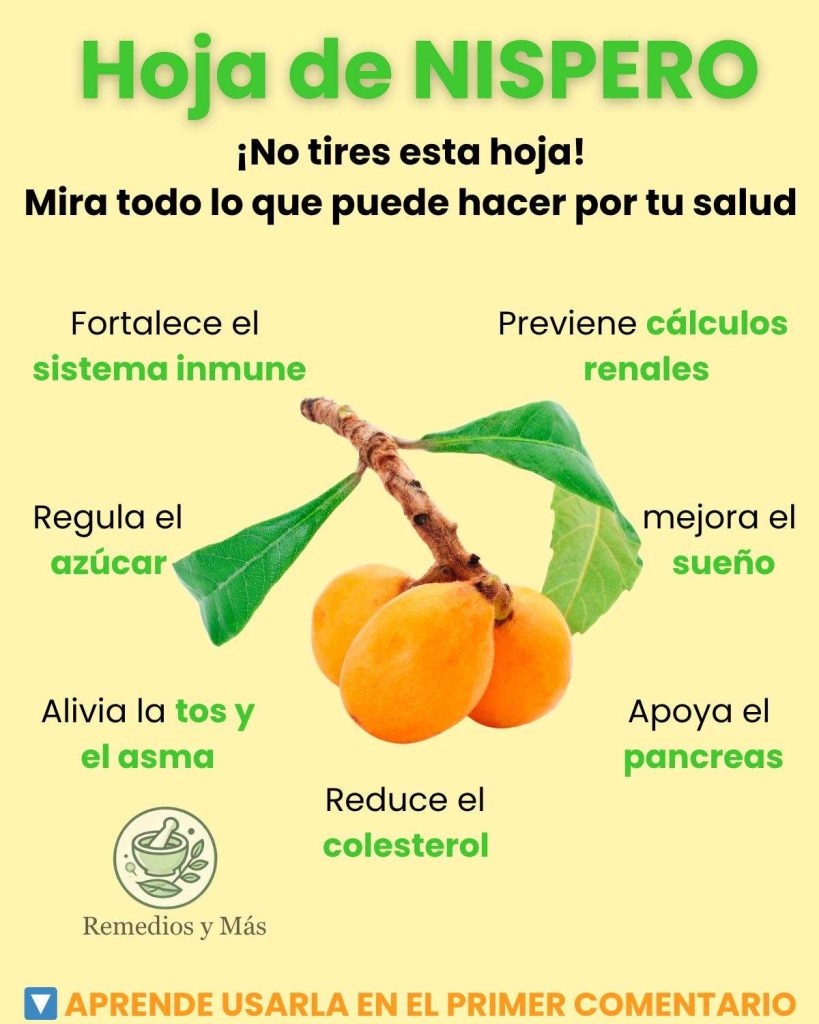
For centuries, natural medicine has turned to the powerful loquat leaf, a hidden gem beyond the delicious fruit. 🍃 Native to tropical and subtropical regions, the loquat tree (Eriobotrya japonica) offers leaves packed with a remarkable range of health-promoting compounds. Whether you're seeking to bolster your immune system, improve digestion, or support overall wellness, a simple cup of loquat leaf tea might be the natural ally you've been looking for. This article will explore the science-backed and traditional benefits of loquat leaves and provide a practical guide on how to prepare and use them safely.
What's Inside the Loquat Leaf? The Powerhouse Composition 🧪
The impressive health benefits of loquat leaves stem from their dense and diverse phytochemical profile. They are a rich source of potent antioxidants, including various flavonoids and triterpenes, which combat oxidative stress and free radical damage in the body. Furthermore, these leaves contain a spectrum of essential vitamins, such as Vitamin A, B-complex, and Vitamin C, alongside vital minerals like calcium, potassium, magnesium, and iron. This unique combination is what makes the loquat leaf a versatile and effective natural remedy for a multitude of common ailments, working from within to promote cellular health and strengthen the body's natural defenses.
Top Health Benefits of Loquat Leaves
The traditional use of loquat leaves is now being supported by preliminary scientific research, highlighting their multifaceted role in health maintenance. Here are some of the most celebrated benefits:
🌿 Antioxidant Powerhouse: The high concentration of antioxidants helps neutralize free radicals, slowing down cellular aging and reducing the risk of chronic diseases.
🌿 Respiratory Relief: Loquat leaves possess natural expectorant and antitussive properties, making them excellent for soothing coughs, clearing congestion, and alleviating symptoms of bronchitis and asthma.
🌿 Blood Sugar Regulator: Studies suggest that compounds in the leaves can help regulate blood glucose levels, offering supportive therapy for individuals managing type 2 diabetes.
🌿 Anti-inflammatory Action: Effective in reducing both internal and external inflammation, loquat leaf tea can provide relief from joint pain, muscle soreness, and inflammatory skin conditions.
🌿 Digestive Aid: It helps calm the digestive tract, reducing acid reflux, indigestion, and stomach spasms. It can also act as a mild astringent.
🌿 Immune System Booster: Thanks to its Vitamin C content and antimicrobial agents, it strengthens the immune response, helping the body ward off common infections and viruses.
🌿 Cardiovascular Support: Regular consumption may contribute to lowering bad cholesterol (LDL) and managing healthy blood pressure, thereby supporting heart health.
🌿 Liver Protector (Hepatoprotective): The leaves aid the liver's natural detoxification processes, protecting it from damage and promoting its overall function.
🌿 Skin Health and Regeneration: With both antifungal and cicatrizing (wound-healing) properties, it can be used topically for skin irritations and internally for a clearer complexion.
🌿 Calming and Sedative Effects: It has a mild sedative quality that can help reduce anxiety, promote relaxation, and improve sleep quality.
How to Prepare Loquat Leaf Tea: A Simple Guide ☕
One of the easiest and most effective ways to enjoy the benefits of loquat leaves is by preparing a warm, therapeutic tea. You can use either fresh or dried leaves, which are often available in herbal stores or online.
Ingredients:
• 5-6 fresh, clean loquat leaves (or 2 tablespoons of dried leaves)
• 1 liter (about 4 cups) of water
• Raw honey or lemon juice to taste (optional)
Preparation Method:
1. Thoroughly wash the fresh leaves to remove any dirt or impurities. If using fresh leaves, you can lightly crush them to help release their active compounds.
2. Bring the liter of water to a rolling boil in a pot.
3. Add the leaves to the boiling water, reduce the heat to a gentle simmer, and let it cook for 10-15 minutes. For a stronger, more medicinal decoction, you can simmer for up to 20 minutes.
4. Turn off the heat and allow the tea to steep for another 5-10 minutes, covered.
5. Strain the tea into a cup or teapot, discarding the used leaves.
6. Add a teaspoon of honey or a squeeze of lemon if desired for a more pleasant flavor. Enjoy your homemade remedy!
Dosage, Consumption, and Important Precautions ⚠️
To incorporate loquat leaf tea into your wellness routine safely and effectively, follow these guidelines.
Recommended Dosage: A common dosage is one cup (250 ml) of tea, consumed twice daily, ideally after your main meals.
Treatment Duration: It is advisable to follow a cyclical pattern. Drink the tea consistently for 2 weeks, then take a break for 1 week before resuming. This prevents your body from building a tolerance and allows you to assess its effects.
Crucial Precautions:
• Pregnancy and Breastfeeding: It is not recommended for pregnant or nursing women without direct supervision from a healthcare provider.
• Pre-existing Conditions and Medications: If you are on prescription medication (especially for diabetes or blood pressure) or have a chronic health condition, consult your doctor before regular use, as the leaves can interact with certain drugs.
• Not a Medical Substitute: Loquat leaf tea is a complementary therapy and should not replace medically prescribed treatments.
• Allergies: As with any new herb, start with a small amount to ensure you do not have an adverse reaction.
Beyond the Tea: Other Notable Benefits and Uses
While tea is the most common form, the benefits of loquat leaves extend even further. The leaves have demonstrated antiallergenic properties, which can help modulate the body's response to allergens. Some research points to its potential in enhancing cognitive function, including memory and concentration, due to its neuroprotective effects. It also serves as a supportive remedy during periods of fever and fatigue, helping to restore vitality. For skin care, its regenerative properties can contribute to reducing the appearance of wrinkles and promoting a more youthful complexion.
Conclusion: Embrace the Natural Power of Loquat Leaves
Integrating loquat leaf tea into your daily regimen is a simple, time-honored strategy to enhance your health naturally. 🌿 From providing robust respiratory and digestive support to acting as a guardian for your cardiovascular and liver health, this humble leaf offers a wealth of benefits. Its calming properties also make
Leave a Reply