
Mimosa Pudica: Benefits and Medicinal Uses of the Sensitive Plant
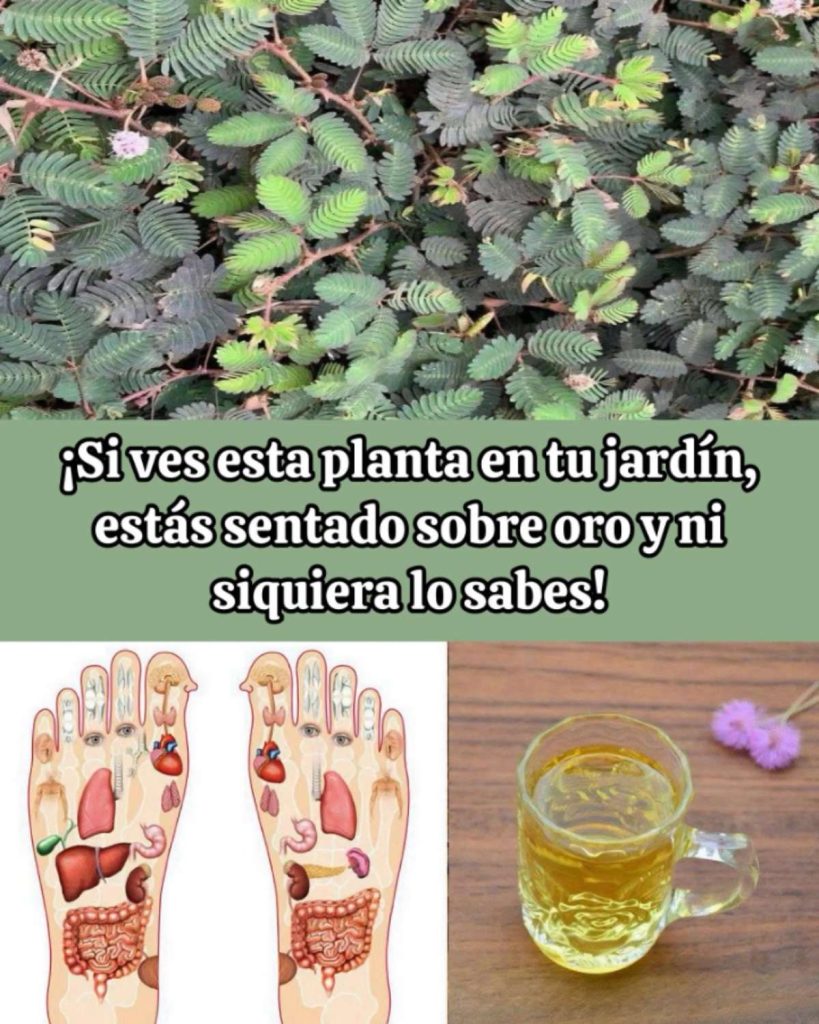
In the vast and wondrous world of medicinal plants, few are as instantly captivating as the Mimosa pudica, commonly known as the Sensitive Plant. 🌿 This botanical marvel, native to South and Central America, has long fascinated scientists and natural medicine enthusiasts alike, not just for its shy demeanor but for its profound therapeutic potential. While its rapid leaf-folding reflex is a spectacle of nature, the true treasure lies in its extensive array of health benefits, which we will explore in depth in this article. From powerful antimicrobial actions to calming nervous system support, the Mimosa pudica is a true testament to nature's pharmacy, offering ancient wisdom for modern wellness challenges.
An Introduction to the Shy Marvel: What is Mimosa Pudica?
The Mimosa pudica is a perennial herb belonging to the Fabaceae family, often found gracing tropical and subtropical regions. It's easily recognizable by its delicate, fern-like compound leaves and charming, puffball-like pink or lilac flowers. 🌸 But its most famous characteristic is its rapid thigmonasty—a specialized movement where leaves fold inward and droop when touched, as a defense mechanism against herbivores. This unique behavior has earned it a variety of common names like the "Sensitive Plant," "Touch-me-not," or "Shameplant." Beyond this captivating party trick, it harbors a rich phytochemical profile, including tannins, flavonoids, alkaloids, and glycosides, which contribute to its medicinal prowess. Historically, it has been a staple in various indigenous medicinal systems across the Amazon and other parts of the world for treating wounds, infections, and digestive complaints.
Unveiling the Medicinal Treasures: Key Benefits of Mimosa Pudica
The applications of Mimosa pudica in natural medicine are impressively diverse. Its properties are not merely anecdotal; many are now being validated by scientific research, making it a compelling subject for both traditional and modern healthcare.
1. Potent Antibacterial and Antimicrobial Warrior 🛡️
Research has demonstrated that extracts from Mimosa pudica are effective against a spectrum of pathogenic bacteria and fungi. Studies indicate significant inhibitory effects on troublesome microbes like Escherichia coli (E. coli) and Staphylococcus aureus, which are common culprits behind skin infections, food poisoning, and gastrointestinal distress. The plant's bioactive compounds disrupt the cell walls of these pathogens, making it a valuable, natural alternative for supporting the body's fight against infections, particularly in a world increasingly concerned with antibiotic resistance.
2. Soothing Anti-Inflammatory Power
Inflammation is at the root of many chronic ailments, from arthritis to muscle soreness. Mimosa pudica possesses notable anti-inflammatory properties that help reduce swelling, redness, and pain. It can be used topically as a poultice or compress for sprains, joint pain, and inflammatory skin conditions. Internally, its compounds help modulate the body's inflammatory response, providing systemic relief. For a quick anti-inflammatory poultice, simply crush fresh leaves and apply directly to the affected area.
3. Accelerated Wound Healing and Tissue Repair 🩹
One of its most celebrated traditional uses is as a cicatrizant, or wound-healing agent. The plant promotes granulation tissue formation and collagen synthesis, which are critical steps in skin regeneration. Whether dealing with minor cuts, abrasions, burns, or even ulcers, applying a prepared ointment or a clean leaf paste can significantly accelerate the healing process and minimize the risk of scarring.
4. Deep Digestive Cleansing and Parasite Elimination
Perhaps one of its most powerful applications is as an intestinal cleanser. The seeds, in particular, are rich in a special type of soluble fiber known as mucilage. In the digestive tract, this mucilage expands, acting like a gentle broom that sweeps through the intestines. It helps to encapsulate and expel parasites, heavy metals, and other accumulated toxins and biofilms from the colon. This makes it an excellent supplement for a digestive detox protocol, promoting a healthier gut environment and improving nutrient absorption.
5. Natural Calm for the Nervous System 😴
In our fast-paced, high-stress world, the gentle sedative qualities of Mimosa pudica are more relevant than ever. It has been traditionally used to alleviate anxiety, nervousness, and insomnia. Its calming effect on the central nervous system can help quiet a racing mind, making it easier to fall asleep and achieve restful slumber. A cup of Mimosa pudica tea before bed can be a wonderful natural ritual for unwinding.
6. Immune System Reinforcement
Packed with antioxidants, Mimosa pudica helps combat oxidative stress caused by free radicals. This oxidative stress is a key contributor to chronic disease and a weakened immune response. By neutralizing these harmful molecules, the plant supports the robust function of the immune system, enhancing the body's innate ability to ward off common infections like colds and flu.
Practical Guide: How to Use Mimosa Pudica
Incorporating this powerful plant into your wellness routine is straightforward. Here are the most common and effective methods:
Herbal Infusion (Tea): Ideal for digestive support, relaxation, and immune boosting. Steep 1 tsp of dried leaves and roots in hot water for 5-10 minutes.
Poultice or Paste: For skin issues, wounds, or inflammation. Mash fresh leaves into a paste and apply directly, covering with a clean cloth.
Liquid Extract or Tincture: Offers a concentrated and convenient form, perfect for systemic detoxification and immune support. Follow dosage instructions on the product label.
Powdered Seeds in Capsules: The most practical method for an internal, anti-parasitic intestinal cleanse. This form is easy to dose and consume.
Simple Recipe: Relaxing Mimosa Pudica Infusion ☕
To harness both the calming and digestive benefits, try this easy tea recipe.
Ingredients:
- 1 teaspoon of dried Mimosa pudica leaves and/or roots
- 1 cup of freshly boiled water
- Raw honey or a slice of lemon (optional, to taste)
Preparation:
- Place the dried plant material in a cup.
- Pour the boiled water over it, cover, and let it steep for 5-10 minutes. Covering the cup is crucial to prevent the volatile essential oils from escaping.
- Strain the tea, add honey or lemon if desired, and enjoy. For best results, drink this tea in the evening to promote relaxation or after a heavy meal to aid digestion.
Important Precautions and Contraindications ⚠️
While Mimosa pudica is generally safe when used appropriately, it is a potent herb and should be treated with respect. Due to its sedative nature, excessive use may cause drowsiness. It is also not recommended for pregnant or breastfeeding women unless under the direct guidance of a qualified healthcare practitioner. Furthermore, because of its potent effects on
Leave a Reply