
Benefits of Natural Remedies for Knee Pain
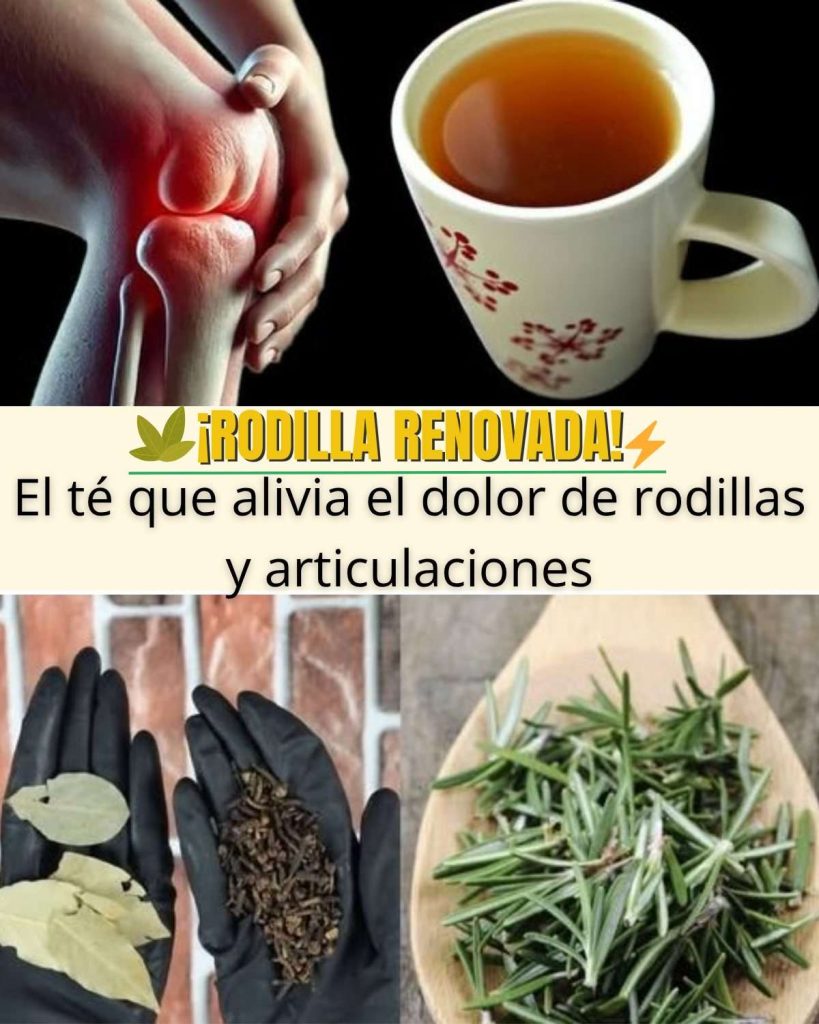
Knee pain is a common ailment that can significantly impact daily life and overall well-being. 🦵 Factors such as aging, joint wear and tear, arthritis, and chronic inflammation often contribute to this discomfort. While over-the-counter and prescription medications are common solutions, many individuals are seeking natural alternatives to manage their symptoms. One such remedy, a bay leaf and rosemary infusion, has gained attention for its potential to alleviate knee pain naturally. This article will explore the benefits of this homemade infusion, provide a detailed preparation guide, and explain how its natural compounds can help reduce joint discomfort and improve mobility without relying on pharmaceuticals. Embracing natural remedies can be a powerful step towards taking control of your joint health. 🌿
Benefits of Natural Remedies for Knee Pain
For centuries, natural remedies have been the cornerstone of treating various ailments, including joint problems. When it comes to knee pain, these solutions offer a holistic approach that often works in harmony with the body's own healing mechanisms. Home-based solutions can help:
- Reduce inflammation naturally.
- Act as natural analgesics to combat pain.
- Improve blood circulation to the affected area.
- Provide essential antioxidants that fight cellular damage.
- Promote the elimination of toxins from the body.
The powerful combination of bay leaf, rosemary, and cloves presents a particularly effective alternative for alleviating knee pain and enhancing joint mobility. This infusion is not just a simple tea; it's a natural remedy packed with anti-inflammatory and analgesic properties. Regular consumption can contribute to a noticeable reduction in joint discomfort and an improvement in knee flexibility over time. 💪
Ingredients for Your Healing Infusion
To prepare this potent infusion, you will need the following simple ingredients. Using high-quality, organic ingredients is recommended to ensure maximum potency and avoid any unwanted pesticides or chemicals.
- 5 dried bay leaves 🍃
- 1 sprig of fresh rosemary or 1 teaspoon of dried rosemary 🌿
- 3 cloves
- 500 ml (approximately 2 cups) of water
- 1 teaspoon of honey (optional, for sweetening) 🍯
Step-by-Step Preparation Guide
Follow these simple steps to create your own therapeutic infusion at home:
- Heat the water in a pot until it reaches a rolling boil. 🔥
- Add the bay leaves, rosemary, and cloves to the boiling water.
- Reduce the heat to low and allow the mixture to simmer gently for 10-12 minutes. This slow simmering process helps extract the beneficial compounds from the herbs and spices.
- Remove the pot from the heat and let the infusion steep for an additional 5-7 minutes, covered. This allows the flavors and medicinal properties to fully infuse into the water.
- Strain the liquid into a cup to remove the solid ingredients. If desired, add a teaspoon of raw honey for its natural sweetness and additional anti-inflammatory benefits.
Recommended Consumption for Optimal Results
To effectively alleviate knee pain, a consistent routine is key. It is recommended to drink:
- One cup first thing in the morning on an empty stomach. 🕗
- Another cup approximately 30 minutes before going to bed. 🛌
For best results, consume this infusion daily for a period of seven to ten consecutive days to notice a significant improvement in inflammation and joint pain. Consistency is crucial for allowing the natural compounds to build up in your system and work effectively.
Properties and Benefits of the Key Ingredients
Bay Leaf 🍃
Bay leaf is not just a culinary herb; it's a powerhouse of medicinal properties that specifically benefit joint health. Its benefits include:
- Potent anti-inflammatory properties that help reduce swelling and puffiness in the knees.
- An inherent analgesic capacity that provides relief from pain.
- A strong antioxidant effect that protects cells from oxidative damage caused by free radicals.
- Improvement of digestion and the absorption of essential nutrients that are vital for maintaining healthy joints and cartilage.
Rosemary 🌿
Rosemary is an aromatic herb celebrated for its positive effects on cognitive function and, importantly, on joint health. Its roles include:
- Effectively reducing inflammation and pain in the joints.
- Enhancing blood circulation, which helps deliver more oxygen and nutrients to the damaged tissues.
- Acting as a muscle relaxant, which helps decrease stiffness and tension in the knees.
- Fortifying the immune system, making the body more resilient to infections and illnesses that could exacerbate joint pain.
Cloves
Cloves are a spice with remarkable analgesic and anti-inflammatory qualities, largely due to their primary active compound:
- They are rich in eugenol, a compound with a natural anesthetic effect that can numb pain.
- They help reduce inflammation in the joints, providing relief from swelling.
- They improve local blood circulation, promoting faster healing.
- They offer protection against bacterial and fungal infections, which can sometimes complicate joint issues.
Additional Health Benefits of the Infusion
Beyond its primary role in alleviating knee pain, this versatile infusion offers a range of other health advantages, making it a valuable addition to your wellness routine:
- Promotes healthy digestion and can soothe an upset stomach. 🤢
- Strengthens the immune system, helping your body fight off common colds and viruses. 🛡️
- Helps relieve nasal congestion and other mild respiratory symptoms.
- Can assist in regulating blood sugar levels when consumed regularly.
- Offers protection for cardiovascular health by supporting healthy circulation.
- Acts as a natural relaxant, helping to reduce stress and anxiety levels. 😌
Important Precautions and Contraindications ⚠️
While this infusion is a natural and generally safe remedy, it is crucial to consider the following precautions to ensure your safety:
- It is not recommended for pregnant or breastfeeding women due to the potential effects of certain compounds on pregnancy.
- It may interact with anticoagulant (blood-thinning) medications; consult your doctor if you are on such medication.
- It should be avoided by individuals with known liver or kidney problems
Leave a Reply