
How Emotions Affect the Organs: The Connection between Feelings and Health
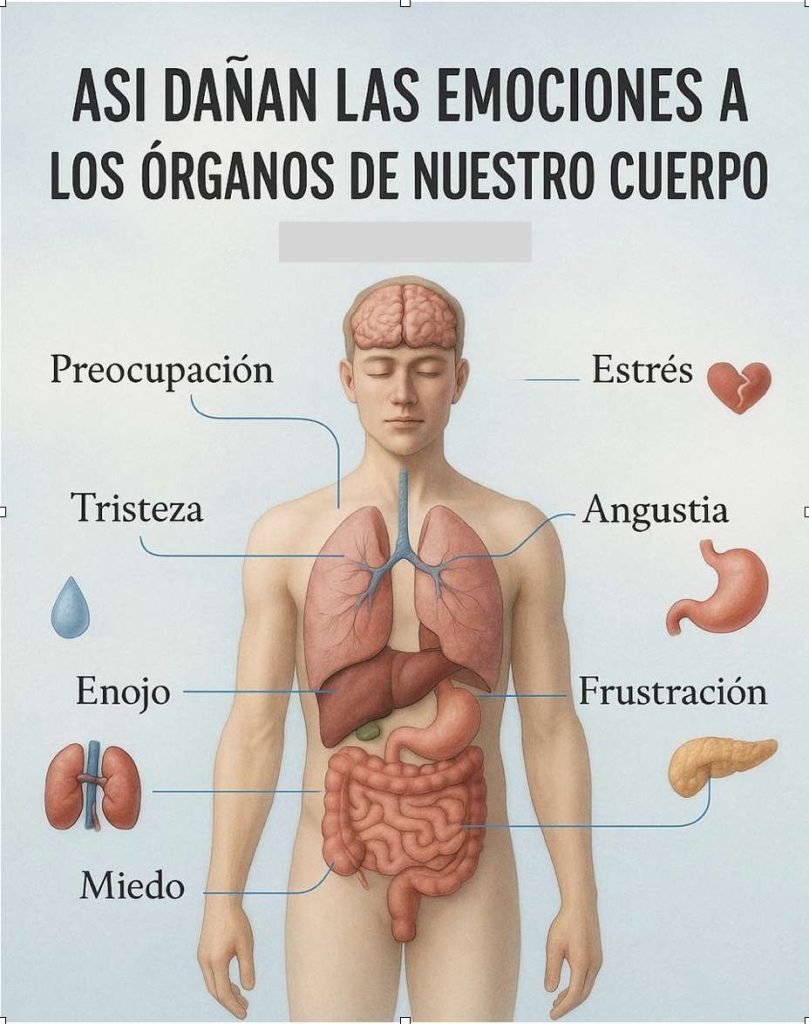
For centuries, the intricate dance between our emotions and our physical health has captivated philosophers and scientists alike. Today, a growing body of rigorous research confirms what many ancient healing traditions have long proposed: our feelings are not confined to our minds. They exert a powerful, direct influence on the function of our vital organs. In essence, what we feel in our hearts and minds can manifest as health or illness in our bodies. This article will delve into the fascinating world of psychosomatic connections, exploring how specific emotions are linked to particular organs. We will also provide practical, holistic recipes and remedies designed to help you maintain both emotional and physical equilibrium. 🧠❤️
The Mind-Body Connection: More Than Just a Feeling
Emotions are complex psycho-physiological experiences, triggered by internal and external stimuli. Far from being abstract, each emotion can generate a specific cascade of hormonal and neurological responses that impact our physical health. For instance, chronic worry can literally exhaust the brain's cognitive resources, while sustained stress places a heavy burden on the cardiovascular system. Understanding this mind-body dialogue is the first, crucial step toward taking proactive control of our overall well-being. It empowers us to interpret physical symptoms as potential messages from our emotional selves. 🔍
Emotions and Their Corresponding Organs: A Detailed Map
Let's explore the specific connections between common emotions and the organs they most affect. This knowledge allows for a more targeted approach to self-care.
Worry & The Brain 🧠
Persistent worry and overthinking are like running a marathon for your brain without rest. This can lead to mental fatigue, anxiety disorders, and sleep disturbances. The brain's prefrontal cortex, responsible for executive functions, can become overwhelmed. Combat this with mindfulness meditation, engaging puzzles, and scheduled "worry time" to contain anxious thoughts.
Stress & The Heart ❤️
When you're stressed, your body releases hormones like cortisol and adrenaline, increasing your heart rate and blood pressure. Over time, this can contribute to hypertension, heart disease, and stroke. Practices like yoga, daily cardiovascular exercise, and meditation are proven to mitigate stress's impact on the heart. Deep, diaphragmatic breathing is a quick and effective tool to instantly calm the nervous system.
Sadness & The Lungs 😢
That feeling of a "heavy chest" when you're sad is more than a metaphor. In Traditional Chinese Medicine, sadness is directly linked to the lungs, which govern the flow of Qi (life energy). Grief and sadness can lead to shallow breathing and a weakened immune response. Conscious, deep-breathing exercises (like the 4-7-8 technique), walking in nature, and practices that foster emotional connection and release, like journaling or therapy, are immensely beneficial.
Anguish & The Stomach 🤢
Have you ever felt "butterflies" or nausea during a tense situation? The gut is often called the "second brain" due to its vast network of neurons. Anxiety and emotional distress can disrupt the gut-brain axis, leading to indigestion, bloating, and Irritable Bowel Syndrome (IBS). Techniques like progressive muscle relaxation and sipping on calming herbal teas can soothe both the mind and the stomach.
Anger & The Liver 😠
In many medical systems, the liver is associated with the smooth flow of energy and blood. Repressed or chronic anger is believed to congest this flow, potentially leading to liver imbalances, headaches, and high blood pressure. The practice of mindfulness, along with physical activities that release pent-up energy (like boxing or running), can help process and release anger in a healthy way. Cultivating forgiveness is also a powerful long-term strategy.
Frustration & The Pancreas 😤
Frustration, especially when goals are blocked, can create internal turmoil that affects blood sugar regulation. The pancreas, which produces insulin, is sensitive to emotional volatility. Maintaining a positive outlook through gratitude practices and engaging in exercises that release endorphins, like dancing or swimming, are key to managing this emotion. A stable diet low in refined sugars also supports pancreatic health.
Fear & The Kidneys 😨
The adrenal glands, which sit atop the kidneys, are your body's primary stress responders. Chronic fear and anxiety keep them in a state of constant activation, which can lead to adrenal fatigue and drain your vital energy reserves. Confronting and processing fears through therapy, meditation, and grounding exercises (like walking barefoot on grass) can help restore balance to the kidneys. Staying well-hydrated is also crucial for supporting their function.
Healthy Recipes to Balance Your Emotions
Nutrition plays a vital role in supporting our emotional landscape. Here are some nourishing recipes designed to target and balance specific emotional states.
1. Soothing Chamomile Infusion for Anxiety 🍵
This simple tea is a powerhouse for calming the nervous system. Chamomile contains apigenin, an antioxidant that binds to brain receptors, promoting relaxation.
Ingredients:
- 1 tablespoon of dried chamomile flowers
- 1 cup of freshly boiled water
- Optional: a teaspoon of raw honey and a slice of lemon
Preparation: Place the chamomile flowers in a cup and pour the boiling water over them. Allow it to steep, covered, for 5-10 minutes to release all the beneficial compounds. Strain, add honey or lemon if desired, and sip slowly in a quiet space. For enhanced effect, practice mindful drinking, focusing on the warmth and aroma of the tea.
2. Powerful Anti-Stress Smoothie 🥤
This nutrient-dense smoothie provides the raw materials your brain and body need to combat the physiological effects of stress.
Ingredients:
- 1 ripe banana (for potassium and magnesium)
- 1 cup of fresh spinach (rich in folate and magnesium)
- 1 tablespoon of almond butter (for healthy fats and protein)
- 1 cup of almond milk (fortified with vitamin D)
- A sprinkle of cinnamon (to help regulate blood sugar)
Preparation: Combine all ingredients in a high-speed blender and blend until creamy and smooth. Enjoy this smoothie as a nourishing breakfast to build resilience against the day's stressors. The combination of complex carbs, healthy fats, and magnesium is a proven recipe for calming the nerves.
3. Quinoa and Veggie Salad for Sadness 🌈
This vibrant, colorful salad is packed with mood-boosting nutrients. Quinoa is a complete protein, providing stable energy, while the fresh vegetables are rich in antioxidants.
Ingredients:
- 1 cup of cooked quinoa, cooled
- 1/2 cup of chopped cherry tomatoes (rich in lycopene)
- 1/2 cucumber, diced (hydrating and cooling)
- 1/4 cup of chopped fresh parsley (high in vitamin C)
- Juice of 1 whole lemon (for a vitamin C boost and alkalizing effect)
- 2 tablespoons of extra virgin olive oil (healthy fats for brain health)
- Salt and pepper to taste
Preparation: In a large bowl, gently toss the cooked quinoa with the chopped vegetables and parsley. Whisk together the lemon juice, olive oil, salt, and pepper to create a simple, zesty dressing. Pour over the salad and mix well. The act of preparing a colorful, wholesome meal can be a therapeutic practice in itself, lifting your spirits before you even take a bite.
Leave a Reply