
Properties and Benefits of Chayote
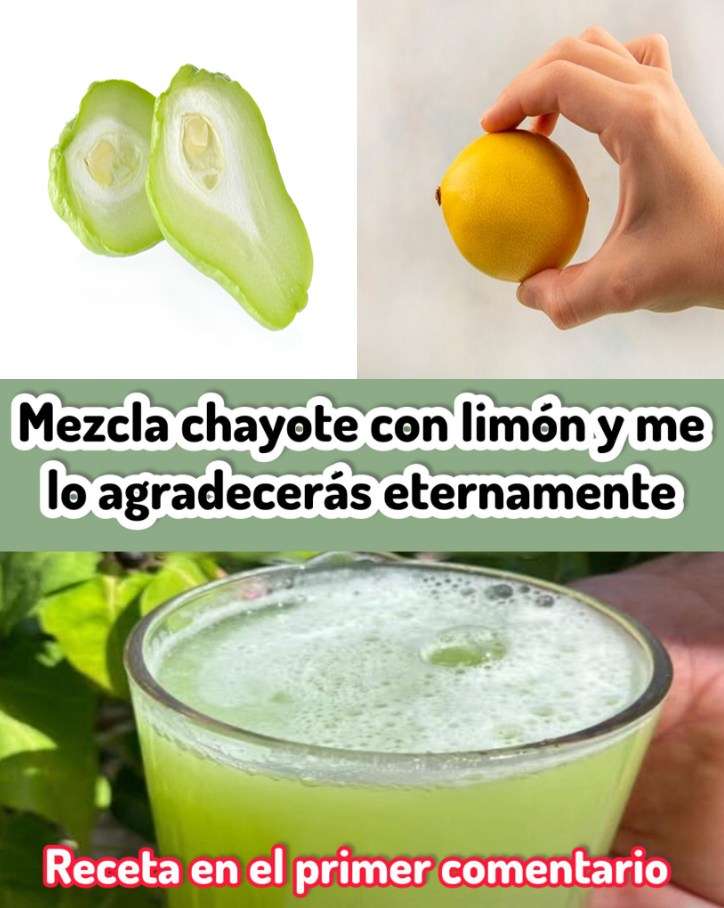
In the world of nutrient-dense superfoods, one humble vegetable often flies under the radar despite its incredible health potential. 🥒 The chayote, also known as vegetable pear or mirliton, is a versatile and highly nutritious fruit that has been a cornerstone of natural medicine for centuries. Its impressive profile of antioxidants, vitamins, and minerals makes it a powerful ally for improving circulation, relieving joint pain, and combating anemia effectively. In this comprehensive guide, we will delve deep into its remarkable properties, the extensive benefits it offers the body, and provide you with three potent, natural recipes to harness its full potential for your well-being.
Unveiling the Nutritional Powerhouse: Properties and Benefits of Chayote
Chayote is a treasure trove of essential nutrients, boasting high levels of potassium, vitamin C, dietary fiber, and potent antioxidants. This unique combination makes it exceptionally effective for maintaining optimal cardiovascular health and overall vitality. Let's explore its most significant health benefits in detail:
Improves Blood Circulation 💓: Its high potassium content is crucial for regulating blood pressure and preventing hypertension. Potassium acts as a vasodilator, helping to relax blood vessels and ensure smooth blood flow throughout the body.
Relieves Joint Pain 🦵: Chayote possesses notable anti-inflammatory properties that can significantly reduce inflammation in the joints. This makes it a valuable natural remedy for individuals suffering from arthritis, rheumatism, or general muscular aches.
Strengthens the Immune System 🛡️: Thanks to its richness in vitamin C, it stimulates the production of white blood cells, which are the body's primary defense force against pathogens, infections, and various diseases.
Regulates Cholesterol: The soluble fiber in chayote binds to LDL (low-density lipoprotein) cholesterol in the digestive system, helping to remove it from the body and thereby reducing overall bad cholesterol levels.
Prevents Anemia 🩸: It is a good source of iron and folate (vitamin B9), two nutrients that are essential for the production of healthy red blood cells and the prevention of different types of anemia.
Promotes Hydration and Detoxification 💧: With a water content of over 90%, chayote helps flush out toxins, supports kidney function, and promotes overall cellular hydration.
Enhances Digestion 🌿: The dietary fiber present promotes healthy bowel movements, prevents constipation, and supports a balanced gut microbiome, which is fundamental to overall health.
Supports Weight Management ⚖️: Being low in calories and high in water and fiber, chayote promotes a feeling of fullness, which can help reduce overall calorie intake and support healthy weight loss efforts.
3 Potent Natural Recipes with Chayote for Enhanced Well-being
Now that we understand its benefits, let's put this knowledge into practice. Here are three simple yet powerful recipes to incorporate chayote into your health regimen.
1. Chayote and Lemon Juice for High Blood Pressure and Circulation
Ingredients:
• 1 medium chayote
• Juice of 1 fresh lemon
• 1 cup of water (filtered is best)
• Honey or stevia to taste (optional)
• A small piece of ginger (optional, for an extra anti-inflammatory kick)
Preparation:
1. Wash the chayote thoroughly and cut it into small cubes (no need to peel it to retain maximum nutrients).
2. Blend the chayote cubes with the cup of water and optional ginger until you achieve a smooth, homogeneous mixture.
3. Strain the juice using a fine mesh strainer or cheesecloth to remove any solid pulp if you prefer a clearer juice.
4. Add the freshly squeezed lemon juice and sweeten with honey or stevia if desired.
5. Serve immediately over ice or chilled.
Mode of Consumption:
Drink this juice on an empty stomach, once a day, for a period of 15 days. Then, take a one-week break before repeating the cycle if necessary. For best results, use fresh ingredients each time.
Benefits:
• Regulates blood pressure effectively.
• Enhances circulation and reduces LDL cholesterol.
• Helps prevent the formation of arterial plaques and blood clots.
• Reduces inflammation in legs and feet.
• Supports liver detoxification and provides a strong boost to the immune system. ✨
2. Chayote and Spinach Salad to Combat Anemia
Ingredients:
• 1 boiled chayote
• 1 cup of fresh spinach leaves
• 1 hard-boiled egg
• 1 tablespoon of extra virgin olive oil
• A squeeze of lemon juice
• Salt and black pepper to taste
• A handful of pumpkin seeds (for added zinc and iron)
Preparation:
1. Peel the boiled chayote and cut it into uniform cubes.
2. In a large bowl, combine the chayote cubes, fresh spinach, sliced hard-boiled egg, and pumpkin seeds.
3. For the dressing, whisk together the olive oil, lemon juice, salt, and pepper.
4. Drizzle the dressing over the salad and toss gently to combine all ingredients.
5. Serve as a nourishing main course or a substantial side dish.
Mode of Consumption:
Enjoy this nutrient-packed salad for lunch or dinner, three times per week, for at least one month to see noticeable improvements in your energy levels and iron counts.
Benefits:
• Significantly boosts iron levels and fights anemia.
• Fortifies the immune system with a double dose of vitamins.
• Improves skin quality and ocular health due to vitamin A and C.
• Promotes cellular regeneration and healthy intestinal transit.
• Strengthens hair follicles and nails, reducing brittleness. 💅
3. Chayote Tea for Joint Pain Relief
Ingredients:
• 1 small chayote
• 3 cups of water
• 1 cinnamon stick
• 1 teaspoon of turmeric powder (optional, for enhanced anti-inflammatory effect)
• Honey or maple syrup to taste
Preparation:
1. Wash the chayote and slice it thinly, including the skin and seed for maximum nutrient extraction.
2. In a pot, bring the water to a boil with the chayote slices, cinnamon stick, and optional turmeric for about 10-12 minutes.
3. Remove from heat, cover, and let it steep for an additional 5 minutes.
4. Strain the tea into a cup, add your preferred sweetener, and enjoy while warm.
Mode of Consumption:
Leave a Reply