
17 Silent Signs Your Body Is Sending You (And How to Relieve Them Naturally)
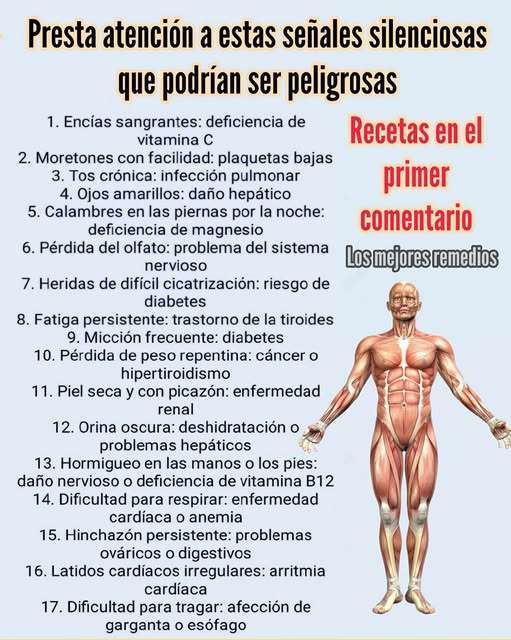
Your body is an intricate and intelligent marvel, constantly communicating its needs and sounding alarms about potential imbalances. Often, these signals are quiet and easy to overlook in our busy lives. Learning to interpret these whispers can be your first line of defense in maintaining optimal health. This guide delves into 17 silent signs your body might be sending and offers natural, supportive ways to find relief. Remember, while these natural remedies are beneficial, they complement—not replace—professional medical advice. 🩺
1. Bleeding Gums 🦷
If you notice blood after brushing or flossing, it's often a sign of gingivitis, but it can also point to a vitamin C deficiency. A severe lack of vitamin C can lead to scurvy, which compromises connective tissues. To combat this, load up on vitamin C-rich foods like oranges, strawberries, kiwis, bell peppers, and broccoli. This vitamin is crucial for collagen production, which helps maintain the integrity of your gum tissue.
2. Easy Bruising 💜
Bruising easily from minor bumps can be more than just clumsiness; it may indicate low platelet count or a vitamin K deficiency. Platelets are essential for clotting, and vitamin K activates the proteins that facilitate this process. Incorporate dark leafy greens like spinach, kale, and Swiss chard into your meals. For a deeper investigation, a blood test can rule out other underlying conditions.
3. Chronic Cough 🤧
A persistent cough that lingers for weeks could signal a lingering infection, allergies, or even acid reflux. It's your body's way of trying to clear an irritant. While you seek a diagnosis, soothe your throat with honey and lemon in warm water or sip on ginger tea. These natural remedies have anti-inflammatory and antimicrobial properties that can provide comforting relief.
4. Yellow Eyes 👀
This condition, known as jaundice, is a clear sign that your body is having trouble processing bilirubin, often due to liver or gallbladder issues. This is a non-negotiable signal to consult a doctor immediately. To support overall liver health as part of a medical plan, consider adding liver-friendly foods like milk thistle tea, dandelion greens, and artichokes to your diet.
5. Nighttime Leg Cramps 💢
Waking up with a sudden, painful charley horse is often linked to an electrolyte imbalance, particularly magnesium deficiency. Magnesium plays a key role in muscle contraction and relaxation. Enjoy a magnesium-rich diet with almonds, pumpkin seeds, bananas, and dark chocolate. A warm Epsom salt bath before bed can also help, as the magnesium is absorbed through the skin.
6. Loss of Smell 👃
Anosmia, or the loss of smell, can result from sinus issues, neurological conditions, or as a post-viral symptom. It's essential for diagnosing certain illnesses and greatly affects taste. Consult a healthcare professional for a proper evaluation. While you do, try "smell training" by gently sniffing strong, familiar scents like essential oils (e.g., rose, lemon, clove, eucalyptus) daily to potentially help retrain your senses.
7. Slow-Healing Wounds 🩹
When cuts and scrapes take a long time to heal, it can be a red flag for high blood sugar or diabetes, which impairs circulation and immune function. A balanced diet low in processed sugars is key. Topically, apply pure aloe vera gel or raw honey to minor wounds. These have natural antibacterial and anti-inflammatory properties that can promote cleaner, faster healing.
8. Persistent Fatigue 😴
Feeling constantly drained, even after a full night's sleep, could point to thyroid dysfunction, anemia, or chronic fatigue syndrome. It's your body pleading for rest and investigation. Alongside medical tests, gentle exercises like yoga or tai chi can paradoxically boost energy by improving circulation and reducing stress, unlike intense workouts which can be depleting.
9. Frequent Urination 🚽
A constant need to urinate, especially at night, can be a hallmark symptom of diabetes or a urinary tract infection. It's crucial to monitor your habits and stay hydrated with water. Herbal teas can be very supportive; for example, peppermint tea has antispasmodic properties, while chamomile tea can help calm the nervous system, which can sometimes be a factor.
10. Unexplained Weight Loss ⚖️
Losing weight without trying is a significant signal that should never be ignored, as it's associated with conditions like hyperthyroidism, cancer, or malabsorption. Seek immediate medical guidance. To maintain a healthy weight with a nutrient-dense approach, incorporate smoothies packed with fruits, vegetables, and a protein source like Greek yogurt or plant-based protein powder.
11. Dry, Itchy Skin 👐
While often related to weather or allergies, persistently dry and itchy skin can sometimes indicate kidney disease or hormonal imbalances, as the kidneys help maintain mineral balance. Hydrate from within by drinking plenty of water and boost your intake of Omega-3 fatty acids found in fatty fish (salmon, mackerel), flaxseeds, and walnuts to support your skin's lipid barrier.
12. Dark Urine 💧
Urine that is consistently dark yellow or amber is a classic sign of dehydration. However, if you're well-hydrated and it remains dark, it could suggest liver issues. Your first action should be to drink more water. Herbal infusions like dandelion root or nettle tea can also support hydration and provide gentle detoxifying benefits for the urinary system.
13. Tingling in Hands and Feet 🔌
This "pins and needles" sensation, or peripheral neuropathy, is frequently linked to nerve compression or a vitamin B12 deficiency. B12 is vital for nerve health. Increase your B12 intake through foods like lean meats, eggs, fortified nutritional yeast, and dairy. For those on a plant-based diet, a high-quality B12 supplement is often necessary.
14. Shortness of Breath 🌬️
Difficulty catching your breath, especially without exertion, can indicate asthma, anemia, anxiety, or heart conditions. It's vital to get this checked out. While awaiting a diagnosis, practice mindful breathing exercises like diaphragmatic breathing or "box breathing" (inhale 4 counts, hold 4, exhale 4, hold 4) to improve lung capacity and calm your nervous system.
15. Abdominal Bloating 🎈
Occasional bloating is normal, but a persistent, painful bloated abdomen can be a symptom of ovarian issues, food intolerances, or other serious conditions. Keep a food diary to identify triggers like dairy or gluten. Sip on digestive teas like peppermint, ginger, or fennel after meals, as they contain carminative properties that help expel gas and soothe the digestive tract.
Leave a Reply