
What are health indicators and why do they matter?
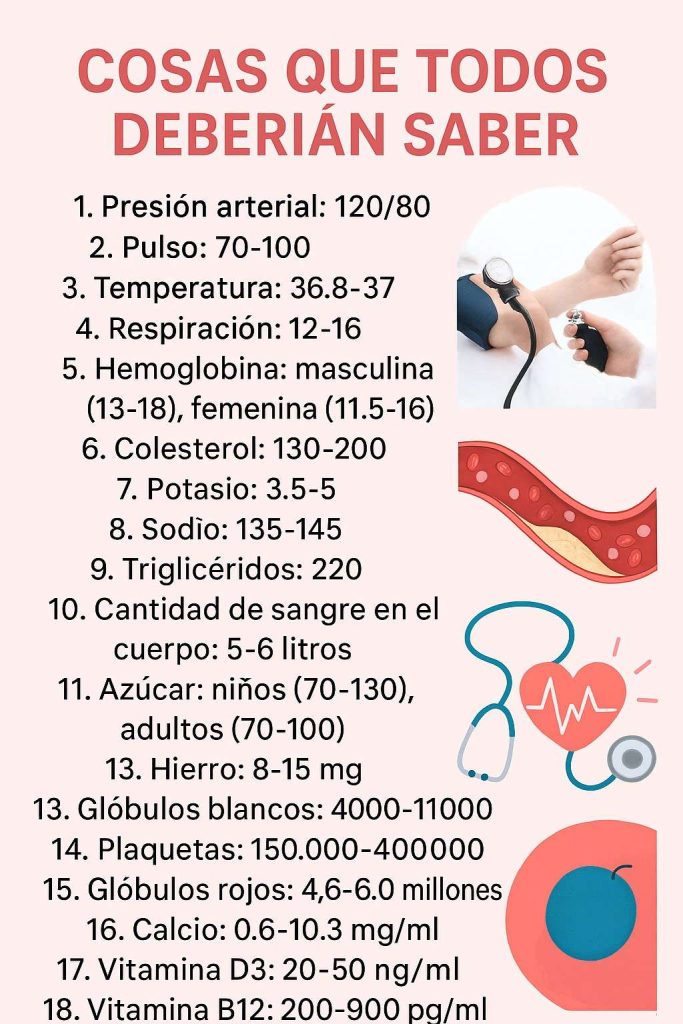
What are health indicators and why do they matter?
Understanding your key health indicators can truly be a lifesaver. 🩺 Many imbalances within the body begin silently, without any obvious warning signs. That's why learning about these vital parameters and discovering how to maintain their balance using natural remedies is one of the smartest decisions you can make for your long-term well-being. These internal signals provide a crucial snapshot of your body's function, often alerting you to potential issues long before serious symptoms manifest.
Defining Health Indicators and Their Critical Role
Health indicators are specific, measurable physiological parameters that offer invaluable insight into whether your body is functioning optimally. From blood pressure and resting heart rate to iron and Vitamin D levels, each one plays a fundamental role in your overall health. The empowering news is that many of these markers can be positively influenced through simple lifestyle habits, such as a nutrient-rich diet, adequate rest, stress management, and the strategic use of natural, home-based remedies. Proactively monitoring them is a form of preventive healthcare, putting you in the driver's seat of your own wellness journey.
The Silent Nature of Health Imbalances
It's a common and often dangerous misconception that you will "feel" it when something is wrong inside your body. In reality, conditions like high blood pressure, elevated cholesterol, or anemia can develop gradually over months or even years without causing noticeable symptoms. This silent progression is why regular check-ups and a basic understanding of your personal metrics are so vital. They act as an early warning system, allowing you to make corrective adjustments through diet and lifestyle before a minor imbalance becomes a major health crisis. 🚨
10 Vital Health Indicators, Their Norms, and Natural Balancing Acts
Here is a detailed guide to the 10 most crucial health indicators, including their standard normal values, symptoms of imbalance, and effective, natural strategies to help restore harmony.
1. Blood Pressure (120/80 mmHg)
Symptoms of Imbalance: Dizziness, blurred vision, palpitations, headaches.
Natural Remedy: Garlic and Hawthorn Berry Infusion. 🧄
Recipe & Use: Steep 1 crushed garlic clove and 1 teaspoon of dried hawthorn berries in one cup of boiling water for 10 minutes. Strain and drink one cup, three times per week. Hawthorn is renowned for supporting cardiovascular function and blood flow.
2. Resting Pulse (60–100 bpm)
Symptoms of Imbalance: Palpitations, anxiety, unusual fatigue.
Natural Remedy: Valerian and Passionflower Tea. 🌿
Key Advice: Avoid or reduce stimulants like caffeine and nicotine, which can spike your heart rate. Practice diaphragmatic breathing for 5 minutes daily to calm the nervous system.
3. Body Temperature (97.8–99.1°F / 36.5–37.3°C)
Symptoms of Imbalance: Fever, chills, sweating.
Natural Remedy: Ginger and Cinnamon Infusion. ☕
Recipe & Use: Simmer one slice of fresh ginger and one cinnamon stick in a cup of water for 5-7 minutes. Drink warm, up to two times a day. Ginger's thermogenic properties can help regulate body temperature.
4. Respiratory Rate (12–20 breaths per minute)
Symptoms of Imbalance: Shortness of breath, anxiety, rapid breathing.
Natural Remedy: Steam Inhalation with Eucalyptus Oil. 🌲
Key Advice: Avoid polluted environments and practice deep, abdominal breathing exercises. Add a few drops of eucalyptus oil to a bowl of hot water, lean over it with a towel on your head, and inhale the steam for 5-10 minutes to clear airways.
5. Hemoglobin
Normal Range: Men: 13.5–17.5 g/dL, Women: 12.0–15.5 g/dL
Symptoms of Imbalance: Fatigue, pale skin, poor concentration, weakness.
Natural Remedy: Beetroot, Carrot, and Apple Juice. 🥕
Key Advice: This powerful juice blend is rich in iron, folate, and vitamin C, which significantly enhances iron absorption. Drink regularly to support healthy red blood cell production.
6. Cholesterol (Total < 200 mg/dL)
Symptoms of Imbalance: Chest pain (angina), severe fatigue, fatty skin deposits.
Natural Remedy: Artichoke Leaf Tea. 🍃
Key Advice: Incorporate soluble fiber like oats and psyllium husk into your diet, and strictly avoid trans fats and excessive saturated fats. Artichoke leaf contains compounds that can support healthy cholesterol metabolism.
7. Potassium (3.5–5.1 mEq/L)
Symptoms of Imbalance: Muscle cramps, weakness, irregular heartbeat.
Natural Remedy: Banana and Coconut Water Smoothie. 🍌
Recipe & Use: Blend one ripe banana with one cup of natural coconut water. Drink one glass daily for a week. This is an excellent electrolyte-replenishing drink, especially after exercise.
8. Sodium (135–145 mEq/L)
Symptoms of Imbalance: Nausea, dehydration, headaches, confusion.
Natural Remedy: Hydrating Cucumber, Lemon, and Sea Salt Water. 🥒
Key Advice: Maintain consistent hydration throughout the day with water and electrolyte-rich foods. The key is balance—avoid both excessive salt intake and severe salt restriction. A pinch of high-quality sea salt in your water can help maintain equilibrium.
9. Triglycerides (< 150 mg/dL)
Symptoms of Imbalance: Excess abdominal fat, signs of fatty liver disease.
Natural Remedy: Turmeric and Lemon Tea. 🍋
Recipe & Use: Mix 1/2 teaspoon of turmeric powder and the juice of half a lemon into one cup of hot water. Drink one cup daily for two weeks. Turmeric's active compound, curcumin, has been shown to support healthy lipid levels.
10. Blood Volume (Approx. 5 liters)
Symptoms of Imbalance: Dizziness, chronic fatigue, pale complexion.
Natural Remedy: Beetroot and Spinace Hydration Juice. ❤️
Key Advice: Prioritize hydration and consume iron-rich foods like spinach, lentils, and red meat (in moderation). Proper hydration is fundamental to maintaining healthy blood volume and pressure.
Leave a Reply