
What is Physalis and Why is it Good for the Eyes?
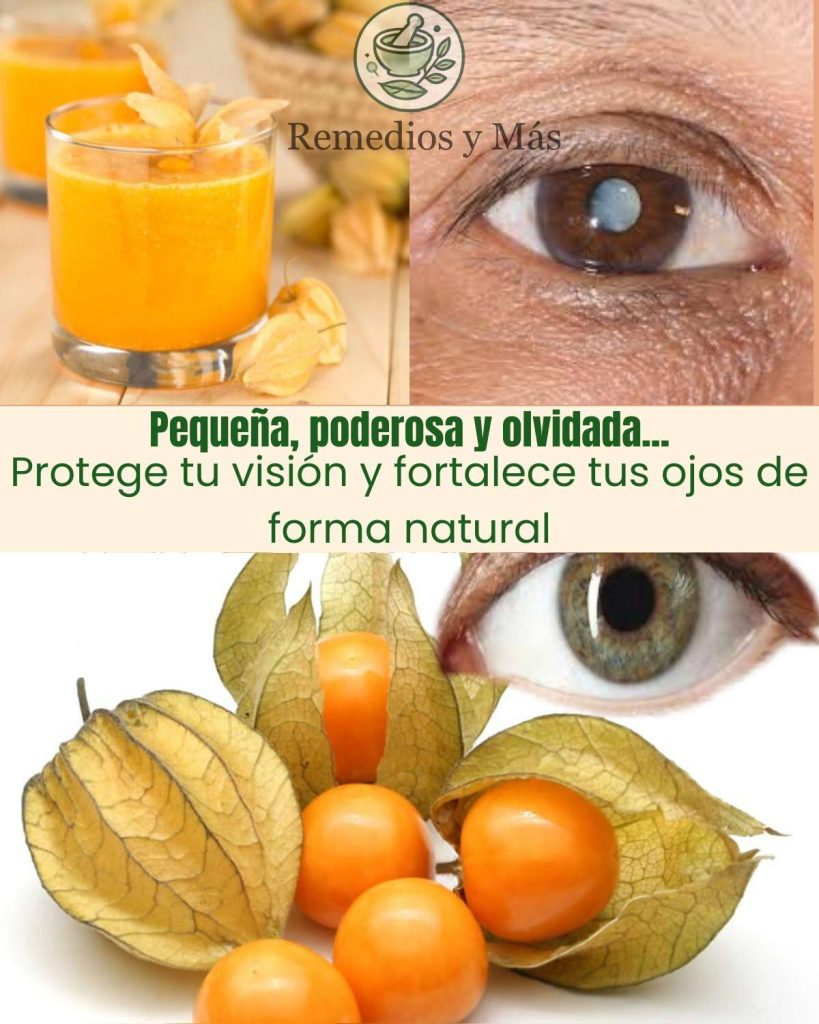
In the quest for natural ways to support overall health, the power of specific fruits often comes to the forefront. One such superstar, especially for ocular wellness, is Physalis, a vibrant fruit gaining global recognition. This article delves deep into the world of Physalis, exploring its unique properties and the compelling reasons why it is exceptionally good for your eyes. 👁️✨
What Exactly is Physalis?
Physalis, scientifically known as Physalis peruviana, is a small, round berry encased in a distinctive papery, lantern-like husk. 🏮 Often called Cape Gooseberry, Goldenberry, or Peruvian Groundcherry, this fruit boasts a delightful sweet-tart flavor profile. Beyond its unique appearance and taste, it has been a staple in traditional medicine for centuries, prized for its dense concentration of health-promoting compounds that offer a significant boost to visual health.
Nutritional Powerhouse: The Vision-Boosting Compounds
The remarkable benefits of Physalis for the eyes are directly linked to its impressive nutritional profile. It is a veritable treasure trove of essential vitamins and antioxidants that work in synergy to protect and enhance ocular function.
Vitamin A and Beta-Carotene: This is the cornerstone nutrient for vision. The body converts beta-carotene into Vitamin A, which is essential for the formation of rhodopsin, a pigment in the retina that allows us to see in low-light conditions. A deficiency can lead to night blindness and other serious issues.
Carotenoids like Lutein and Zeaxanthin: These powerful antioxidants are naturally concentrated in the macula—the part of the retina responsible for sharp, central vision. They act as a natural sunblock, filtering harmful high-energy blue light and protecting retinal cells from oxidative damage caused by free radicals. 🛡️
Vitamin C: A potent antioxidant in its own right, Vitamin C supports the health of blood vessels in the eyes and helps maintain the collagen structure of the cornea. It also strengthens the immune system, helping to ward off eye infections like conjunctivitis.
Bioflavonoids: These compounds enhance the effectiveness of Vitamin C and provide additional anti-inflammatory and antioxidant protection to delicate eye tissues.
Calcium and Phosphorus: These minerals play a supportive role in maintaining the structural integrity and health of ocular tissues.
Proven Benefits of Physalis for Your Eyes
Integrating Physalis into your diet can lead to several tangible benefits for your eye health, supported by its rich nutritional makeup.
1. Helps Prevent Age-Related Macular Degeneration (AMD): The combination of Vitamin A, lutein, and zeaxanthin is crucial in slowing the progression of AMD, a leading cause of vision loss in older adults. These compounds protect the macula from degenerative damage.
2. Reduces Digital Eye Strain and Fatigue: For those spending long hours in front of screens 💻, Physalis can be a great ally. The antioxidants help combat the oxidative stress caused by blue light emission, reducing symptoms like dryness, irritation, and tired eyes.
3. Enhances Night Vision and Light Adjustment: Thanks to its high Vitamin A content, regular consumption can significantly improve the eye's ability to adjust to darkness, reducing the time it takes to recover from bright headlights while driving at night. 🚗
4. Improves Ocular Blood Circulation: The Vitamin C and bioflavonoids in Physalis strengthen capillaries, ensuring better blood flow and delivery of oxygen and nutrients to the eye's cells, which is vital for overall eye function and repair.
5. Shields Against Infections and Inflammation: A robust immune system, bolstered by Vitamin C and other compounds, is your first line of defense against bacterial and viral eye infections. The anti-inflammatory properties also help soothe irritated eyes.
How to Prepare a Vision-Enhancing Physalis Juice
One of the most delicious and effective ways to reap the benefits is by enjoying a fresh juice. Here’s a simple recipe to try at home.
Ingredients:
- 1 cup of fresh Physalis berries, husks removed 🟡
- 250 ml of water (or coconut water for extra electrolytes)
- 1 tablespoon of raw honey or maple syrup (optional, for sweetness)
- Juice from half a lemon (enhances flavor and adds more Vitamin C) 🍋
- A small piece of ginger (optional, for an anti-inflammatory kick)
Preparation:
- Thoroughly wash the Physalis berries and remove the papery husks.
- Add the berries, water, lemon juice, and ginger (if using) to a blender.
- Blend on high until the mixture is completely smooth.
- For a smoother texture, you can strain the juice through a fine-mesh sieve to remove the tiny seeds.
- Stir in the honey or maple syrup to taste.
- Drink immediately to maximize the absorption of its heat-sensitive vitamins and antioxidants. 🥤
Recommended Consumption: For optimal results, consider drinking this juice on an empty stomach two to three times per week. Consistency is key to building up the protective nutrients in your system.
Other Remarkable Health Benefits Beyond Eye Health
While our focus is on vision, it's worth noting that Physalis is a holistic health fruit. Its benefits extend to:
- Immune System Reinforcement: Its high Vitamin C content makes it excellent for preventing common colds and flu. 🤧
- Digestive Health: The dietary fiber in the fruit promotes healthy digestion and can help prevent constipation.
- Anti-Inflammatory Effects: It can help alleviate inflammatory conditions in the body, such as joint pain and arthritis.
- Skin Health: The antioxidants combat free radical damage, which can slow skin aging and promote a radiant complexion. ✨
Important Precautions and Considerations
While Physalis is generally safe for most people, it's wise to keep a few points in mind:
- Allergies: As with any food, some individuals may have an allergic reaction. Start with a small amount to see how your body responds.
- Acidity: Due to its natural acidity, it might cause discomfort for those with a sensitive stomach or conditions like acid reflux.
- Medication Interactions: If you are on blood-thinning medications (anticoagulants) or drugs for blood pressure, consult your doctor. The fruit's vitamin K content and
Leave a Reply