
She Thought She Had Acne, But It Was Something Entirely Different
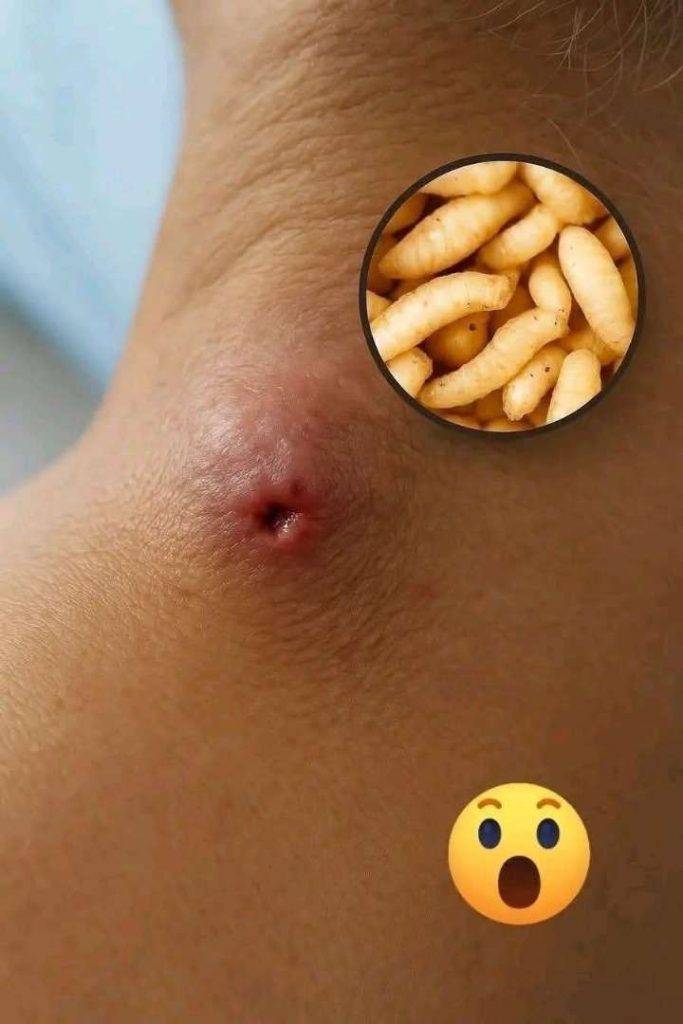
We often take our skin's health for granted, brushing off new bumps or redness as just another annoying bout of acne. 🫣 But what if that stubborn breakout isn't acne at all? Misdiagnosing a serious skin condition can lead to delayed treatment and unnecessary complications. This article will guide you through the crucial differences between common acne and other, more serious conditions that can masquerade as simple pimples. Your skin is trying to tell you something—it's vital to listen. 👂
When It's Not Just Acne: Recognizing the Red Flags 🚩
Typical acne vulgaris presents with a familiar cast of characters: blackheads, whiteheads, papules, and pustules, primarily on the face, chest, and back. These occur when hair follicles become clogged with oil and dead skin cells. However, several other dermatological conditions can create lesions that look surprisingly similar. These can range from inflammatory disorders like rosacea and perioral dermatitis to infections such as folliculitis or even certain autoimmune diseases. In very rare but serious cases, what appears to be a persistent pimple could be a form of skin cancer, like basal cell carcinoma or squamous cell carcinoma. This is why any skin issue that behaves unusually should never be ignored.
Beyond Acne: Other Conditions That Mimic Breakouts
Let's delve deeper into some common imposters:
Rosacea: This chronic condition often causes facial redness, visible blood vessels, and small, red, pus-filled bumps. Unlike acne, rosacea typically doesn't feature blackheads and is often triggered by factors like spicy foods, alcohol, and sun exposure. 🌶️
Folliculitis: This is an inflammation or infection of the hair follicles. It can look like a sudden outbreak of small white-headed pimples, often caused by bacteria or yeast. It's common in areas frequently subjected to friction from clothing or shaving.
Perioral Dermatitis: This rash features small, red bumps and scaling around the mouth, nose, and eyes. It can be mistaken for acne but is often linked to the use of topical steroid creams.
Keratosis Pilaris: Often called "chicken skin," this harmless condition causes small, rough bumps, usually on the upper arms, thighs, and cheeks. It's due to a buildup of keratin and is not inflammatory like acne.
Symptoms That Demand a Dermatologist's Attention 👩⚕️
It's time to put down the over-the-counter acne cream and schedule a professional consultation if you notice any of the following signs. Ignoring these warnings can be a critical mistake for your long-term health.
Be alert if your skin lesions:
- Do not respond to standard acne treatments after several weeks of consistent use. 💊
- Change in size, color, or shape rapidly or appear to be growing. This is a particularly important sign to monitor.
- Cause significant pain, intense itching, or a burning sensation. Typical acne can be tender, but severe pain is a red flag.
- Are accompanied by systemic symptoms like fever, fatigue, or swollen lymph nodes. This indicates your body is fighting something more than a localized clogged pore.
- Consistently crust, bleed, or refuse to heal. A pimple that scabs over and then reopens is a cause for concern.
- Appear in unusual patterns or locations where you don't typically break out.
The Critical Importance of an Accurate and Early Diagnosis 🔬
Correctly identifying a skin condition is the first and most crucial step toward effective treatment. A timely diagnosis by a board-certified dermatologist can:
- Prevent the condition from worsening and causing permanent scarring or skin damage.
- Lead to the correct treatment plan, saving you time, money, and frustration on ineffective products.
- Uncover underlying health issues. Sometimes, skin manifestations are the first sign of an internal problem, such as a hormonal imbalance or autoimmune disorder.
- Provide you with peace of mind. Knowing what you're dealing with eliminates the anxiety of the unknown.
A dermatologist can perform a visual examination and, if necessary, a biopsy—a simple procedure where a small sample of skin is taken for analysis—to provide a definitive diagnosis.
Real-Life Cases: When "Acne" Was Something Else
Consider the case of Sarah, who for months treated a "cluster of pimples" on her cheek with salicylic acid and benzoyl peroxide. When they didn't clear and instead became more persistent and thread-like, she finally saw a dermatologist. She was diagnosed with granulomatous rosacea, a form of rosacea that requires a completely different treatment approach, including prescription antibiotics and laser therapy. Another example is Mark, who had a "stubborn pimple" on his nose that kept scabbing over. After his wife insisted, he got it checked. It was a basal cell carcinoma, which was successfully removed, preventing it from causing deeper tissue damage. These stories highlight why professional evaluation is non-negotiable.
Conclusion: Your Skin's Health Is a Priority, Not an Afterthought
In the journey of skin care, knowledge is your most powerful tool. Not every bump is a pimple, and not every red patch is simple irritation. Your skin is your body's largest organ, and its condition often reflects your overall health. Paying close attention to its signals and seeking expert advice when something seems off is the best investment you can make in your well-being. If you have any doubt about a skin lesion, do not hesitate—consult a dermatologist. Your future self will thank you for the proactive care and peace of mind. 💚
Leave a Reply