Thrombosis: What It Is, How to Identify Its Symptoms, and Prevent It Naturally
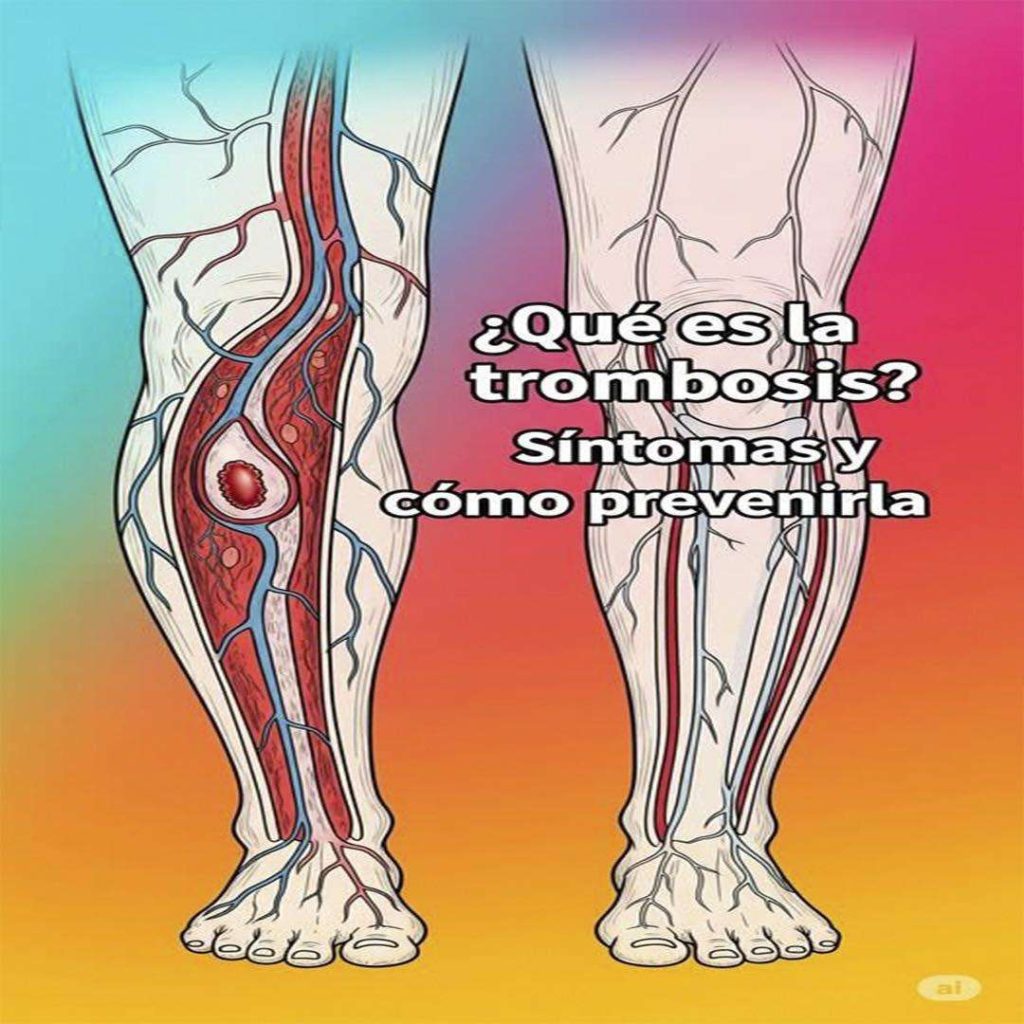
Thrombosis is a serious medical condition that occurs when a blood clot, known as a thrombus, forms inside a blood vessel, obstructing the normal flow of blood. 🩸 This blockage can become life-threatening if not detected and treated promptly, especially if the clot travels to vital organs such as the lungs, causing a pulmonary embolism, the heart, triggering a heart attack, or the brain, leading to a stroke. Understanding this condition, its warning signs, and proactive prevention strategies is crucial for safeguarding your vascular health. This comprehensive guide will delve into what thrombosis is, how to recognize its symptoms, and the natural steps you can take to significantly reduce your risk.
What Exactly Is Thrombosis?
At its core, thrombosis is the process of thrombus (clot) formation within an intact blood vessel. While blood clotting is a vital mechanism to prevent excessive bleeding from injuries, it becomes dangerous when clots form inappropriately inside veins or arteries. The location of the clot determines its type and potential consequences:
- Deep Vein Thrombosis (DVT): This occurs when a clot forms in a major deep vein, most commonly in the legs. 🦵 A DVT is particularly dangerous because a piece of the clot can break off and travel through the bloodstream.
- Arterial Thrombosis: This happens when a clot forms in an artery, the vessel responsible for carrying oxygen-rich blood away from the heart to the body's tissues. This can lead to a sudden interruption of blood flow, causing a myocardial infarction (heart attack) or an ischemic stroke. ❤️🧠
Both forms are medical emergencies that require immediate intervention to prevent severe complications and long-term damage.
Recognizing the Symptoms: A Crucial Step
Being able to identify the potential signs of thrombosis can be a lifesaving skill. Symptoms can vary depending on whether the clot is in a vein or an artery and its specific location.
- Sudden swelling in one leg or arm, often more pronounced than the other. 📏
- Localized pain or tenderness that may feel like a cramp or soreness, which often worsens when walking or applying pressure to the area.
- Skin that appears reddened or has a discolored, bluish, or pale hue.
- An increase in warmth in the specific limb or area affected. 🔥
- In cases where a DVT has traveled to the lungs (pulmonary embolism), symptoms escalate dramatically and include: sudden shortness of breath, sharp chest pain that may worsen with deep breaths, a rapid heart rate, and coughing up blood.
If you experience any of these symptoms, especially difficulty breathing or chest pain, seek emergency medical care without delay. ⚠️
Who is at Risk for Thrombosis?
Certain factors can significantly increase an individual's likelihood of developing a blood clot. Understanding these risk factors empowers you to have informed discussions with your healthcare provider. Key risk factors include:
- Prolonged immobility: Such as long-haul flights, extended bed rest after surgery, or sitting for many hours at a desk. 💺
- Recent surgeries, especially orthopedic procedures like hip or knee replacements.
- Smoking, which damages the lining of blood vessels and makes blood more prone to clotting. 🚬
- Obesity or being overweight, which increases pressure on the veins in the pelvis and legs.
- Pregnancy and the use of hormonal contraceptives or hormone replacement therapy, which can alter blood chemistry.
- Underlying health conditions like cancer, diabetes, heart disease, or certain inherited blood disorders.
- A personal or family history of blood clots or thrombophilia.
Natural Prevention and Proactive Lifestyle Changes
Adopting a heart-healthy lifestyle is your first and most powerful line of defense against thrombosis. Here are practical, natural strategies you can implement starting today:
- Stay Active and Avoid Prolonged Sitting: Make a conscious effort to move throughout the day. If you have a desk job, set a timer to stand up, stretch, and walk for a few minutes every hour. On long trips, flex your ankles, rotate your feet, and take walking breaks when possible. 🚶♀️
- Prioritize Hydration: Drinking an adequate amount of water is essential for maintaining blood fluidity and reducing the risk of hypercoagulability (thick blood). 💧
- Engage in Regular Exercise: Consistent physical activity, such as brisk walking for 30 minutes a day, stimulates circulation and strengthens the cardiovascular system. 🏃♂️
- Eliminate Tobacco Use: Quitting smoking is one of the most significant steps you can take for your vascular health, as it directly reduces damage to your blood vessels.
- Maintain a Healthy Weight: Achieving and maintaining a healthy body weight through a balanced diet and exercise alleviates excess strain on your circulatory system. 🥗
- Consider Your Diet: Incorporate natural blood-thinning foods like garlic, ginger, turmeric, and foods rich in Omega-3 fatty acids (e.g., salmon, walnuts). However, always consult your doctor before making major dietary changes, especially if you are on medication.
- Open Communication with Your Doctor: Discuss your personal and family medical history openly, especially before undergoing surgery or starting any hormonal treatment. 🩺
Conclusion: Empowerment Through Awareness and Action
Thrombosis is a formidable health threat, but it is not an inevitable one. 🛡️ By understanding what it is, recognizing its key symptoms, and knowing your personal risk factors, you are already taking a proactive step. Integrating simple yet effective lifestyle habits—staying active, hydrated, and maintaining a healthy weight—can dramatically lower your risk. Remember, your vascular health is largely in your hands. Stay vigilant, listen to your body, and never hesitate to seek professional medical advice. Prevention, coupled with timely action, is the ultimate key to protection. ✅
Leave a Reply