
Early Signs of Skin Issues: Key Symptoms to Detect and Take Timely Action
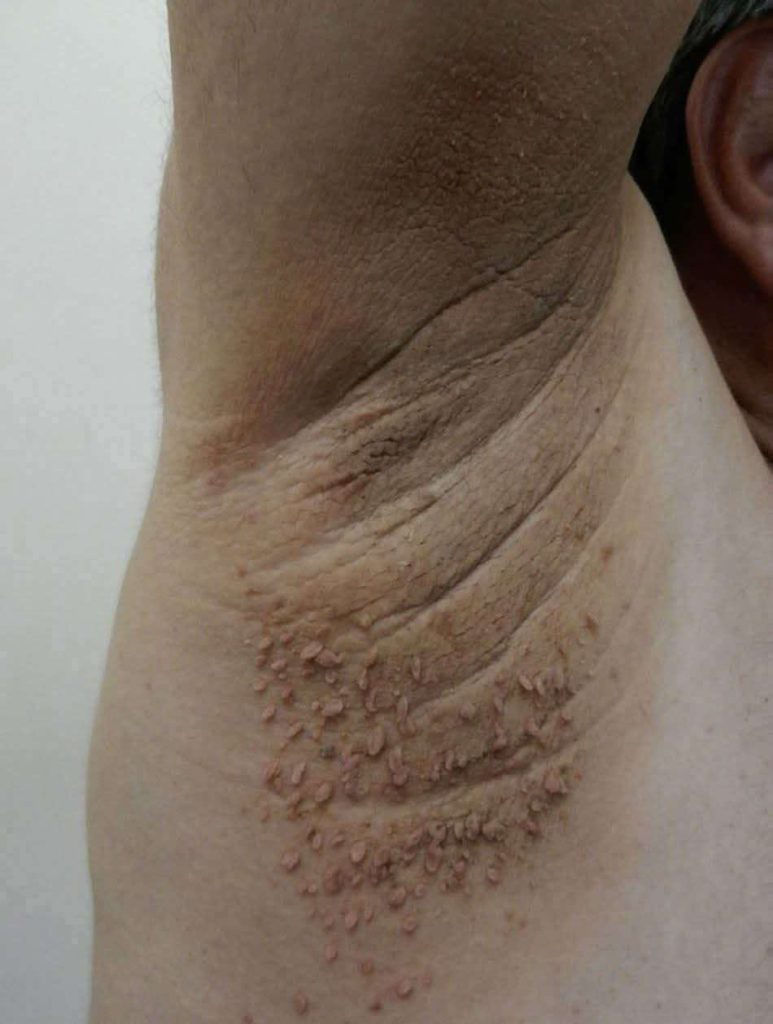
The skin is our body's largest and most visible organ, serving as a vital protective barrier against the external world. 🌍 Often, it acts as a mirror, reflecting our internal health and signaling imbalances long before other symptoms appear. Recognizing the early signs of skin issues is not just about aesthetics—it's a crucial aspect of proactive healthcare. This guide will equip you with the knowledge to identify key symptoms, understand their potential causes, and take timely, effective action to maintain your skin's health and vitality. Let's embark on this journey to better skin awareness together!
Visible Alterations in Color or Texture
One of the most apparent indicators of a skin condition is a change you can see. Your skin's color and texture provide vital clues about your overall health.
Abnormal Spots: The appearance of reddish, whitish, or unusually dark patches can signal various concerns, from simple irritations and allergies to more complex issues like fungal infections or hormonal disorders. 🟥⬜🟫
Rough or Scaly Skin: This often points to significant dehydration, but it can also be a hallmark of chronic conditions such as eczema or psoriasis. Consistent moisturization is key, but identifying the root cause is essential.
Uneven Tone or Dullness: A lackluster complexion or patchy skin tone might be linked to underlying metabolic conditions or specific nutritional deficiencies, such as a lack of essential vitamins or omega-3 fatty acids.
Persistent Itching Without an Apparent Cause
An incessant itch is your skin's way of crying out for help. While occasional itching is normal, a continuous sensation warrants attention.
This frustrating symptom can be a sign of:
Dermatological Allergies: Triggered by contact with allergens like certain metals, cosmetics, or plants. 🌿
Fungal or Parasitic Infections: Conditions like ringworm or scabies cause intense itching and require specific medical treatments.
Chronic Inflammatory Diseases: Conditions like eczema or psoriasis often present with severe itching as a primary symptom.
When itching is accompanied by visible inflammation, swelling, or redness, it's a clear signal to consult a healthcare professional to prevent the condition from worsening.
Skin Lesions That Linger
Not every pimple or blister is a cause for alarm, but when lesions persist for more than a week or two, it's time to take notice.
Stubborn lesions can be a symptom of:
Severe Acne: Beyond typical teenage acne, persistent cystic acne can lead to scarring and requires a dermatologist's care.
Bacterial Infections: Conditions like impetigo, often caused by staph or strep bacteria, result in sores and blisters that need antibiotic treatment. 🦠
Immunological Issues: Sometimes, persistent lesions can indicate a weakened immune system or an autoimmune response.
A crucial piece of advice: Avoid the temptation to scratch or pop these lesions, as this can introduce more bacteria, lead to infection, and cause scarring.
Changes in Existing Moles or Marks
Your existing moles are generally harmless, but any change in their appearance should be monitored closely. Practice the ABCDE rule of melanoma: 🎯
A - Asymmetry: One half of the mole doesn't match the other.
B - Border: The edges are irregular, blurred, or ragged.
C - Color: The color is not uniform and may include shades of brown, black, pink, red, or white.
D - Diameter: The spot is larger than 6mm across (about the size of a pencil eraser).
E - Evolving: The mole is changing in size, shape, or color.
Any of these signs, especially rapid growth, should prompt an immediate consultation with a dermatologist, as they can be early indicators of skin cancer.
Localized Redness and Inflammation
Red, warm, and swollen areas of skin are clear signs of inflammation, which is your body's natural response to injury or infection.
This can be associated with:
Infections like Cellulitis: A serious bacterial infection that affects deeper layers of the skin and requires prompt antibiotic treatment.
Allergic or Inflammatory Responses: Contact with an irritant can cause contact dermatitis, leading to a red, inflamed rash.
Insect Bite Reactions: While most bites are minor, some can cause significant localized inflammation or lead to allergic reactions.
If redness and inflammation are accompanied by systemic symptoms like fever, chills, or pus, seek medical attention urgently. 🚨
How to Protect Your Skin and Prevent Complications
Prevention is always better than cure. Integrating simple, consistent habits into your daily routine can significantly reduce your risk of developing serious skin conditions.
Hydrate Daily: Use a moisturizer suited to your skin type to maintain its natural barrier function. Look for ingredients like ceramides and hyaluronic acid. 💧
Sun Protection is Non-Negotiable: Apply a broad-spectrum sunscreen with an SPF of 30 or higher every single day, even when it's cloudy. Reapply every two hours during prolonged sun exposure.
Nourish from Within: A diet rich in antioxidants (found in berries, leafy greens, and nuts), vitamins (especially C and E), and essential fatty acids (from fish and flaxseeds) supports skin health from the inside out.
Avoid Self-Medication: Do not use over-the-counter steroid creams or unverified home remedies without professional advice, as they can mask symptoms or worsen the condition.
Schedule Regular Check-ups: Make an annual visit to a dermatologist a part of your health routine, just like a dental cleaning. For any persistent or worrying anomaly, don't hesitate—schedule an appointment immediately.
Conclusion: Your Skin, Your Health Barometer
Your skin is a powerful communicator. 👂 The early signs of skin disorders are often subtle, but learning to recognize these signals—whether it's a changing mole, persistent itching, or an unexplained rash—empowers you to take control of your health. Timely intervention, grounded in observation and prevention, is the most effective strategy for maintaining healthy, functional, and radiant skin. Make skin awareness a priority; your body will thank you for it.
Leave a Reply