
What to Do in Case of Snake Bite When the Ambulance Cannot Arrive
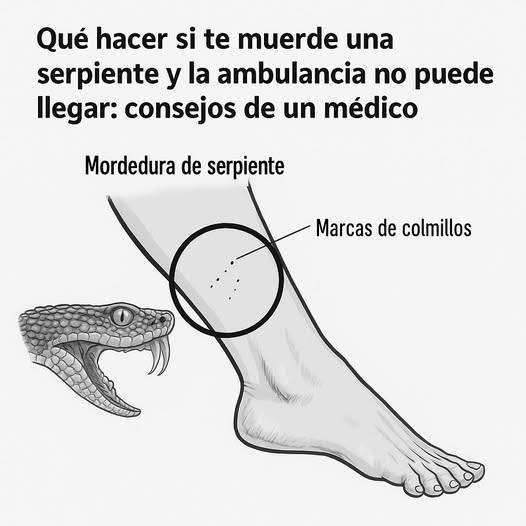
🐍 A snake bite is a medical emergency that requires immediate professional attention. However, in situations where an ambulance is delayed or cannot arrive, knowing how to act can be the difference between life and death. This guide provides a detailed, step-by-step protocol to help you manage a snake bite emergency effectively, minimize harm, and significantly improve the victim's chances of a full recovery when professional help is not immediately accessible.
🧘 Keep Calm and Limit Movement
The moments following a snake bite are critical. It is paramount to stay as calm as possible. Panic increases heart rate, which can accelerate the circulation of venom throughout the bloodstream. Encourage the victim to breathe deeply and slowly. Immediately immobilize the affected limb using a splint or sling if available. Keep the bite area positioned at or slightly below the level of the heart to slow the venom's spread via the lymphatic system. Any unnecessary movement should be avoided.
💍 Remove Constrictive Items
Swelling is a common and rapid response to a snake bite. Promptly remove any jewelry, watches, tight clothing, or bracelets from the affected limb. Doing this preemptively prevents these items from becoming constrictive bands that could cut off circulation, cause severe pain, and lead to further tissue damage as the swelling progresses.
🚰 Clean the Wound Thoroughly
Gently clean the bite area with copious amounts of clean water and mild soap. The primary goal here is to reduce the risk of a secondary bacterial infection from pathogens on the skin or the snake's fangs. It is crucial to avoid using unverified home remedies such as alcohol, herbs, or ice directly on the wound, as these can irritate the area, cause tissue damage, and interfere with medical assessment.
❌ Do Not Cut or Suck the Wound
For decades, movies have popularized the idea of cutting the bite and sucking out the venom. This is dangerous and strongly discouraged. Incising the bite can cause nerve, tendon, or blood vessel damage and increase the risk of infection. Attempting to suck out the venom with your mouth is ineffective and can introduce bacteria into the wound, potentially poisoning the rescuer if they have any cuts in their mouth. Commercial suction devices are also not recommended, as they often remove only minimal venom and can damage tissue.
🩹 Apply a Compression Bandage Correctly
This technique, often used for elapid snakes (like cobras and kraits), can be beneficial. Firmly wrap the entire affected limb with an elastic bandage, starting at the bite site and moving upward. The wrap should be tight but not so constrictive that it cuts off circulation; you should be able to slip a finger underneath it. The goal is to immobilize the limb and apply pressure to the lymphatic system, not the arteries and veins. Do not remove the bandage until you are at a medical facility.
🚑 Seek Medical Attention Immediately
Even if you have administered first aid, professional medical care is non-negotiable. While you may need to wait for an ambulance, if it is clear one will not come, you must arrange alternative transport. Do not allow the victim to walk; carry them or have them moved by vehicle to the nearest hospital or clinic. Call ahead to alert the medical staff of the situation and the type of snake if known, so they can prepare the appropriate antivenom.
📊 Monitor Vital Signs Closely
If you are assisting a bite victim, continuously monitor their breathing, pulse, and level of consciousness. Be vigilant for signs of anaphylactic shock or neurological symptoms, which can include dizziness, fainting, rapid pulse, pale skin, difficulty breathing, excessive sweating, or blurred vision. If the victim stops breathing, be prepared to perform CPR. This information will be critical for medical professionals upon arrival.
🚫 Avoid These Counterproductive Actions
In the stress of the moment, people often resort to harmful practices. To ensure the victim's safety, remember this list of don'ts:
Do not apply a tourniquet: This can completely cut off blood flow, leading to limb ischemia and potential amputation.
Do not use ice packs or immerse the wound in water: This does not deactivate the venom and can cause frostbite or cold-induced injury.
Do not give the victim alcohol, caffeine, or stimulants: These substances can speed up metabolism and the spread of venom.
Do not attempt to capture or kill the snake: This risks a second bite. If it is safe to do so, take a photograph from a distance for identification. Otherwise, focus your attention on the victim.
💡 Conclusion: Your Knowledge Saves Lives
Facing a snake bite without immediate medical help is a daunting scenario, but your preparedness and clear-headed actions are powerful tools. By remembering the core principles—staying calm, immobilizing the limb, cleaning the wound, applying a proper bandage, and seeking professional care without delay—you can stabilize the situation and buy precious time. This knowledge empowers you to act decisively, turning panic into a structured response that can truly save a life. Always prioritize getting to a hospital, as antivenom is the only definitive treatment for venomous snake bites.
Leave a Reply