
Dandelion Root
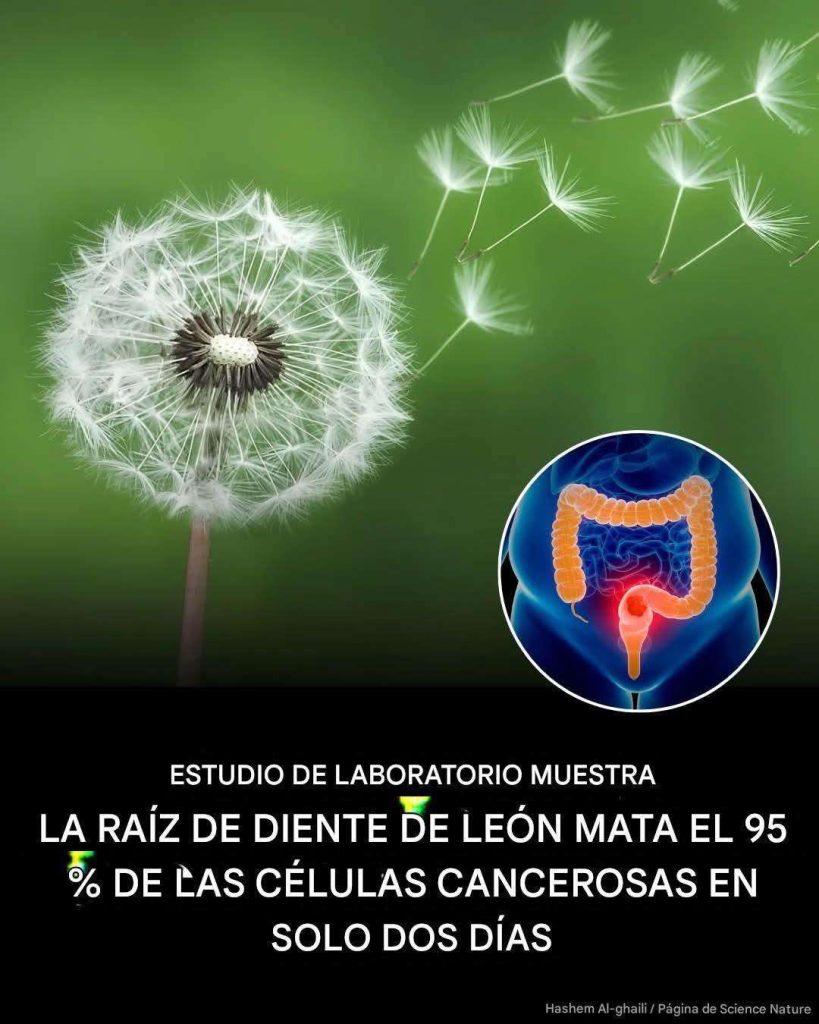
In the world of natural wellness, few plants are as ubiquitous and understated as the dandelion. 🌼 Often dismissed as a common weed, this resilient plant, particularly its root, is emerging from the shadows of our lawns and into the spotlight of scientific research. This article delves into the fascinating potential of dandelion root, from a simple, comforting tea to its remarkable, science-backed properties that are capturing the attention of researchers and health enthusiasts alike. Let's explore how this humble root is making a big impact.
Brewing Your Cup of Wellness: How to Make Dandelion Root Tea ☕
Preparing dandelion root tea is a simple ritual that connects you to this powerful plant. Here is a step-by-step guide to creating your own brew:
1. Begin by heating approximately 200 milliliters (about one cup) of water in a small saucepan until it reaches a rolling boil. 🔥
2. While the water is heating, place one heaping teaspoon of finely ground dandelion root into your favorite mug.
3. Once the water is boiling, carefully pour it over the dandelion root in the mug, ensuring the powder is fully submerged.
4. Allow the mixture to steep for about 10 minutes. This gives the root enough time to release its beneficial compounds and oils into the hot water. For a stronger, more potent tea, you can let it steep for up to 15 minutes. ⏳
5. Finally, strain the tea to remove the solid particles, and your wellness beverage is ready to enjoy! You may choose to add a touch of raw honey, lemon, or a cinnamon stick to enhance the flavor according to your preference.
Pro Tip: For the best quality, always source your dandelion root from reputable suppliers to ensure it is organic and free from pesticides and contaminants. Your health deserves the purest ingredients. 🌱
A Scientific Breakthrough: Dandelion Root's Potent Power Against Cancer Cells 🧪
The journey from traditional remedy to subject of modern science is a compelling one for dandelion root. A landmark study published in the respected journal Oncotarget delivered astonishing results that have fueled global interest. Researchers at the University of Windsor discovered that a specific extract of dandelion root (DRE) demonstrated a profound ability to combat colorectal cancer cells in a laboratory setting.
The findings were nothing short of remarkable: the dandelion root extract was shown to effectively kill up to 95% of colorectal cancer cells within a 48-hour period. This was not a minor suppression of growth; it was a significant induction of cell death. The lead co-author of the study, Professor Siyaram Pandey, and his team observed that the extract didn't rely on a single mechanism. Instead, it activated multiple pathways of programmed cell death simultaneously, suggesting a complex and powerful multi-targeted approach to fighting cancer. This is crucial because cancer cells can often develop resistance to single-pathway treatments.
Beyond the Hype: Understanding the Mechanism and the Reality 🔬
So, how does dandelion root achieve this? The research indicates it triggers processes like apoptosis (the body's natural method for disposing of damaged or unwanted cells) and autophagy (the cellular "housekeeping" process that removes dysfunctional components). By activating these built-in self-destruct signals in cancer cells, the dandelion root extract offers a potential therapy that works in harmony with the body's own biology.
However, it is absolutely vital to contextualize these exciting findings. Professor Pandey himself has been very clear to temper excitement with caution, stating, "De hecho, la mayoría de las células [cáncer] están muertas en 48 horas, pero eso no significa que un paciente que echa raíz de diente de león se curará en 48 horas." ("In fact, most of the [cancer] cells are dead in 48 hours, but that does not mean a patient taking dandelion root will be cured in 48 hours.")
This critical distinction highlights the difference between a controlled laboratory experiment and a complex human body. The study was conducted in vitro (on cells in a petri dish), not in vivo (in a living human). Factors like bioavailability, metabolism, and the unique tumor microenvironment in a person are not accounted for in a lab setting. Therefore, while the research is a promising and exciting gateway, dandelion root is not a proven miracle cure for cancer. Scientists universally advise that it should be viewed as a compelling candidate for further research and future clinical trials, not a standalone treatment.
Conclusion: A Promising Path Forward, Not a Magic Bullet 🌟
Dandelion root stands as a powerful symbol of nature's largely untapped pharmacy. From a simple, earthy tea that can be incorporated into a daily wellness routine to a subject of cutting-edge oncological research, its potential is undeniable. The laboratory evidence showing its ability to target cancer cells is both impressive and a beacon of hope for the development of future low-toxicity, plant-derived therapies.
However, the key takeaway is balance. Embrace dandelion root for its historical uses and as a general supportive supplement, but always with realistic expectations. It is not a replacement for conventional medical treatments. If you are considering using dandelion root, especially if you have a pre-existing health condition or are on medication, it is essential to consult with your healthcare provider first. The future of dandelion root in medicine is bright and warrants rigorous investigation, but for now, we can appreciate it as a fascinating example of the healing power hidden in plain sight. 💚
Leave a Reply