
The "Mother-in-Law's Tongue" Plant: Beauty and Hidden Benefits Around Your Home
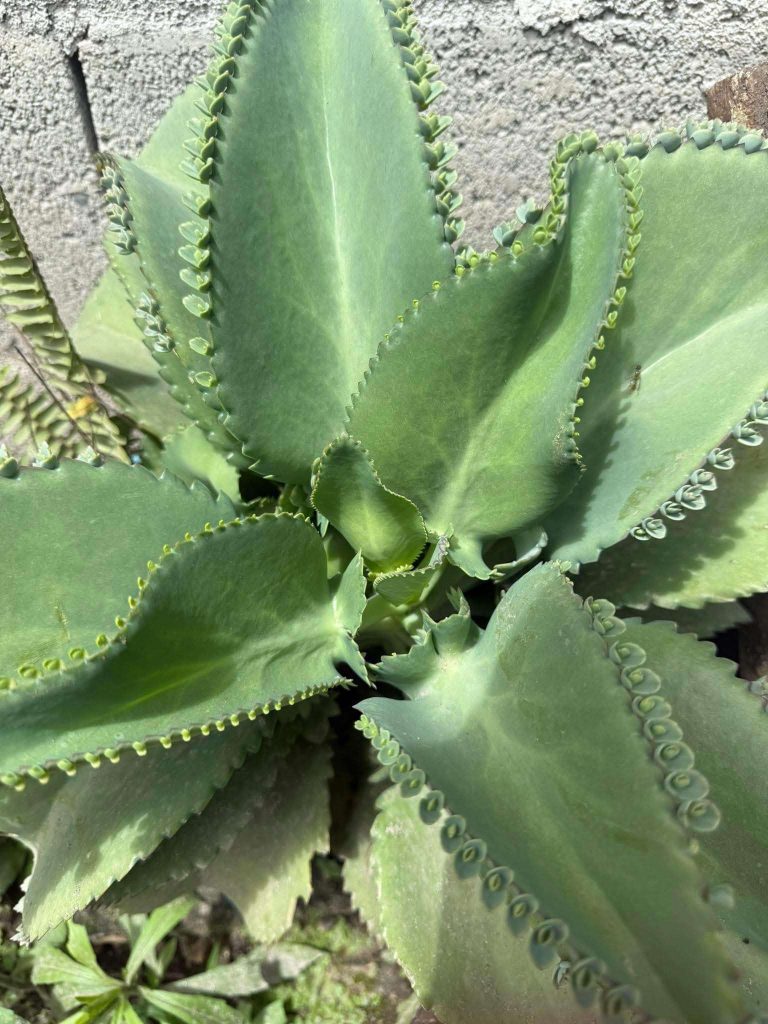
Often surrounded by curious folklore due to its unique growth habits, the plant commonly known as Spider Plant or scientifically as Chlorophytum comosum, is a cornerstone of indoor gardens worldwide. 🌿 While its colloquial name in Spanish, "Mala Madre" (Bad Mother), might suggest neglect, the truth reveals a plant that is incredibly generous, resilient, and beneficial. This article will explore the hidden virtues of the Spider Plant, demonstrating why it's a superior choice for beautifying your home and enhancing your well-being.
Unraveling the "Bad Mother" Moniker 👩👧👦
The intriguing nickname stems from the plant's distinctive propagation method. The mature "mother" plant sends out long, arching stems called stolons, from which miniature plantlets, or "pups," dangle. From a distance, it appears as if the mother is pushing her babies away. However, this is a brilliant survival strategy. These pups can easily take root wherever they touch soil, allowing the plant to colonize new areas effortlessly. Far from being a neglectful parent, the Spider Plant is a prolific and strategic one, ensuring the success of future generations.
A Powerhouse for Purifying Your Air 🌬️💨
One of the most compelling reasons to invite a Spider Plant into your home is its remarkable air-purifying ability. It was a standout performer in NASA's landmark Clean Air Study, which sought to find ways to detoxify the air in space stations. The Spider Plant proved highly effective at removing common household volatile organic compounds (VOCs), including:
- Formaldehyde: Found in particleboard, carpets, and some cleaning products.
- Benzene: A byproduct of combustion found in tobacco smoke and vehicle exhaust that can seep indoors.
- Carbon Monoxide: An odorless gas that can be harmful in concentrated amounts.
- Xylene: Present in many paints, varnishes, and adhesives.
By absorbing these pollutants, the Spider Plant acts as a natural, living air filter, contributing to a healthier indoor environment, particularly in well-sealed modern homes and offices.
Enhancing Well-Being and Reducing Stress 😌
Beyond cleaning the air, the presence of plants like the Spider Plant has a profound impact on our mental and emotional health. The simple act of caring for a living thing can provide a sense of purpose and routine. Studies in the field of biophilic design have shown that incorporating natural elements into interior spaces can:
- Reduce psychological stress and fatigue.
- Improve concentration and productivity, making it an excellent desk companion. 🖥️
- Lower blood pressure and promote feelings of calm.
The lush, green foliage of the Spider Plant, especially the variegated varieties with their cheerful white stripes, provides a visual rest from screens and artificial lighting, helping to soothe the mind and refresh the spirit.
Effortless Care for Everyone 🌱✨
The Spider Plant's reputation for being nearly indestructible is well-earned, making it the perfect plant for beginners, frequent travelers, or anyone with a busy lifestyle. Its care requirements are straightforward and forgiving:
- Light: It thrives in bright, indirect light but is remarkably adaptable and can tolerate lower light conditions. Avoid direct, harsh afternoon sun, which can scorch its leaves. ☀️
- Watering: A "soak and dry" method works best. Water thoroughly until it runs out the drainage holes, then allow the top inch or two of soil to dry out completely before watering again. Overwatering is the easiest way to harm this plant.
- Soil and Fertilizing: A well-draining, general-purpose potting mix is ideal. Feed with a diluted, balanced liquid fertilizer once a month during the spring and summer growing season.
- Common Issues: Brown leaf tips are common and usually indicate low humidity, fluoride in tap water, or occasional under-watering. Simply trim the brown tips for a tidy appearance.
Symbolism and Energetic Benefits ✨
In various cultural and spiritual traditions, the Spider Plant is more than just a decorative item. It is often associated with abundance and vitality due to its prolific nature. Some believe it helps to balance the energy of a home, promoting harmony and warding off negative influences. Its downward-growing pups are sometimes seen as a symbol of grounding energy, connecting the home's inhabitants to stability and growth. Placing one in your entryway or living room is thought to invite good fortune and positive vibes.
Propagation: Sharing the Generosity 🤝
One of the great joys of owning a Spider Plant is how easy it is to propagate. You can create new plants to fill your own home or share with friends and family. Simply:
- Select a healthy-looking pup that has developed a few small aerial roots.
- Snip it from the stolon, leaving a bit of the stem attached.
- Place the base of the pup in a glass of water or directly into a small pot with moist soil.
- In a few weeks, you'll have a new, established plant ready for a pot of its own! This cycle of growth and sharing truly embodies the plant's generous spirit.
Conclusion: An Unmatched Indoor Companion
In summary, the Spider Plant (Chlorophytum comosum) is a true gem in the world of houseplants. It masterfully debunks its "Mala Madre" nickname by being an exceptionally generous and resilient species. It offers a powerful trifecta of benefits: it purifies the air you breathe, soothes your mind, and demands minimal care in return. Its ability to thrive in various conditions and its eagerness to produce new plantlets make it a rewarding and sustainable choice for any indoor gardener. If you are looking for a beautiful, functional, and hard-to-kill plant that actively contributes to a healthier and happier home, the Spider Plant is an undeniable and excellent selection.
Leave a Reply