
What is thrombosis? Symptoms and how to prevent it
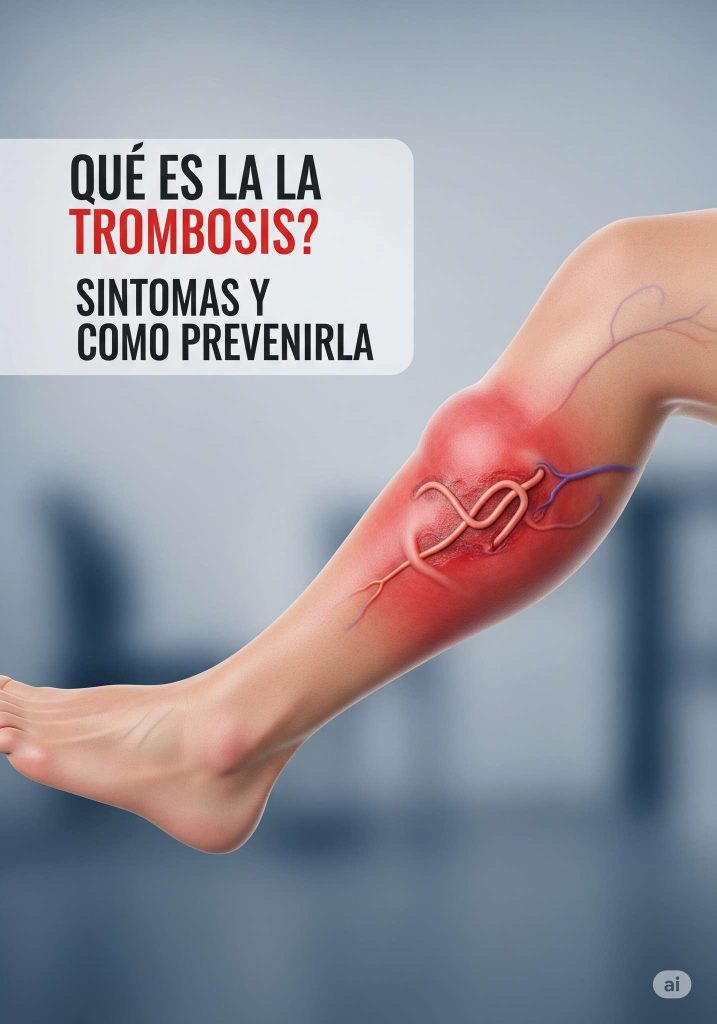
Thrombosis is a serious medical condition that occurs when a blood clot, known as a thrombus, forms inside a blood vessel, either a vein or an artery. This clot can partially or completely obstruct the normal flow of blood, leading to potentially life-threatening complications depending on its location. 🩸 Understanding this condition, its warning signs, and proactive prevention strategies is crucial for maintaining cardiovascular health. This article will serve as a comprehensive guide to what thrombosis is, its different types, the symptoms to watch for, and valuable, natural ways to help prevent it.
What Exactly is Thrombosis? 🤔
At its core, thrombosis is the body's natural clotting mechanism happening in the wrong place or at the wrong time. While clotting is essential to stop bleeding from a cut, an internal clot can become a dangerous obstacle. The two primary types of thrombosis are classified based on the blood vessel they affect, and each carries its own set of risks and consequences.
Main Types of Thrombosis
Deep Vein Thrombosis (DVT) 🦵
This type involves the formation of a clot in a deep vein, most commonly in the legs. The primary danger of DVT is that a piece of the clot can break off, travel through the bloodstream, and lodge in the lungs. This complication is called a pulmonary embolism (PE), which is a medical emergency that can be fatal. DVT is often associated with prolonged immobility, such as during long-haul flights or hospital stays.
Arterial Thrombosis 🫀
This occurs when a clot forms in an artery—the vessel responsible for carrying oxygen-rich blood from the heart to the rest of the body. An arterial clot can abruptly cut off the blood supply to vital organs. If it blocks an artery supplying the heart, it causes a heart attack (myocardial infarction). If it blocks an artery to the brain, it results in a stroke (cerebrovascular accident). These events require immediate medical attention.
Recognizing the Symptoms: A Crucial Step
Early recognition of thrombosis symptoms can save lives. The signs vary significantly between venous and arterial events.
Symptoms of Deep Vein Thrombosis (DVT)
- 💔 Pain or tenderness in one leg, typically starting in the calf.
- 🦵 Swelling in one leg that is noticeably different from the other.
- 🔥 A feeling of warmth in the affected area.
- 🔴 Redness or noticeable discoloration of the skin.
Important Note: Sometimes DVT can occur with very mild or even no noticeable symptoms.
Symptoms of Arterial Thrombosis
- 🫀 Chest pain, pressure, or tightness (signs of a heart attack).
- 🧠 Sudden difficulty speaking, facial drooping, or weakness on one side of the body (signs of a stroke). Remember the acronym F.A.S.T. (Face, Arms, Speech, Time).
- 😮 Shortness of breath and severe dizziness.
- ⚫ Loss of consciousness or fainting.
Key Risk Factors to Be Aware Of
Certain conditions and lifestyles can increase your susceptibility to thrombosis. These include prolonged immobility, a personal or family history of blood clots, smoking, obesity, certain cancers, heart conditions, pregnancy, hormone replacement therapy or birth control pills, and age (risk increases over 60).
Natural Remedies and Lifestyle Tips for Prevention
CRUCIAL DISCLAIMER: 🚨 These strategies are intended for prevention and should complement, not replace, professional medical advice. If you are at high risk or have a history of clots, always follow your doctor's treatment plan.
1. Make Physical Activity a Non-Negotiable Habit 🚶♀️
Regular movement is one of the most effective ways to prevent blood stasis, especially in the legs. Activities like brisk walking, swimming, cycling, or yoga significantly improve circulation. The key is consistency.
2. Prioritize Optimal Hydration 💧
Dehydration causes blood to thicken, making it more prone to clotting. Make a conscious effort to drink plenty of water throughout the day, especially in hot weather or during exercise.
3. Adopt an Anti-Inflammatory and Blood-Thinning Diet 🥗
Your diet plays a powerful role. Focus on incorporating these natural anticoagulants and anti-inflammatory foods:
- Garlic: Known to reduce platelet aggregation, preventing clots from forming easily.
- Ginger & Turmeric: Ginger is a natural anti-inflammatory, while turmeric's active compound, curcumin, is a mild anticoagulant. Combine turmeric with a pinch of black pepper to dramatically enhance curcumin absorption.
- Omega-3 Fatty Acids: Found in fatty fish (salmon, mackerel), chia seeds, flaxseeds, and walnuts, Omega-3s help reduce inflammation and make the blood less "sticky."
- Antioxidant-Rich Fruits and Vegetables: Berries, citrus fruits, tomatoes, and leafy greens like spinach protect blood vessels from damage and support overall circulatory health.
4. Combat Prolonged Sedentary Behavior 💻
If you have a desk job or are on a long flight, make it a rule to get up, stretch, and walk around for a few minutes every hour. Simple calf raises and ankle rotations at your seat can also stimulate blood flow.
5. Eliminate Tobacco and Limit Alcohol 🚭
Smoking severely damages the lining of blood vessels and is a major risk factor for arterial thrombosis. Excessive alcohol consumption can also contribute to dehydration and cardiovascular issues.
6. Consider Compression Stockings (If Advised) 🧦
For individuals at high risk for DVT (e.g., after surgery or during long trips), graduated compression stockings can apply gentle pressure to the legs, helping to keep blood moving.
When Should You Immediately Consult a Doctor? 🚨
Do not hesitate to seek immediate medical attention if you experience any of the following:
- Sudden, unexplained swelling, pain, or redness in one leg.
- Sharp chest pain, difficulty breathing, or a rapid heartbeat.
- Any signs of a stroke, such as confusion, trouble speaking, or sudden numbness.
- If you have a family history of thrombosis and are planning a pregnancy or starting a new hormonal medication.
Conclusion: Empowerment Through Knowledge and Proactive Habits
Thrombosis is a formidable health challenge, but it is not an inevitable one. By understanding its mechanisms—the dangerous clot formation in deep veins (DVT) or arteries—and recognizing the critical warning signs like leg swelling and chest pain, you are already taking a powerful step toward protection. Integrating consistent physical activity, a heart-healthy diet rich in anti-inflammatory foods, and proper hydration forms a robust foundation for prevention. Remember, these lifestyle choices are your first line of defense. However, they work best in partnership with professional medical guidance. Stay vigilant, listen to your body, and prioritize your vascular health for a longer, healthier life.
Leave a Reply