
Vital Health Indicators: Knowing the Symptoms Can Save Your Life
Your health is undoubtedly one of your most valuable assets 🏆. Understanding the key indicators that signal your body's well-being is not just for medical professionals—it's empowering knowledge that can help you take charge of your life. In this comprehensive guide, we will explore the vital health parameters everyone should monitor, the symptoms that serve as your body's early warning system, and practical, natural ways to support your wellness. Recognizing these signs and numbers can be the crucial difference that saves a life.
Why Knowing Your Health Numbers is a Lifesaver 🩺
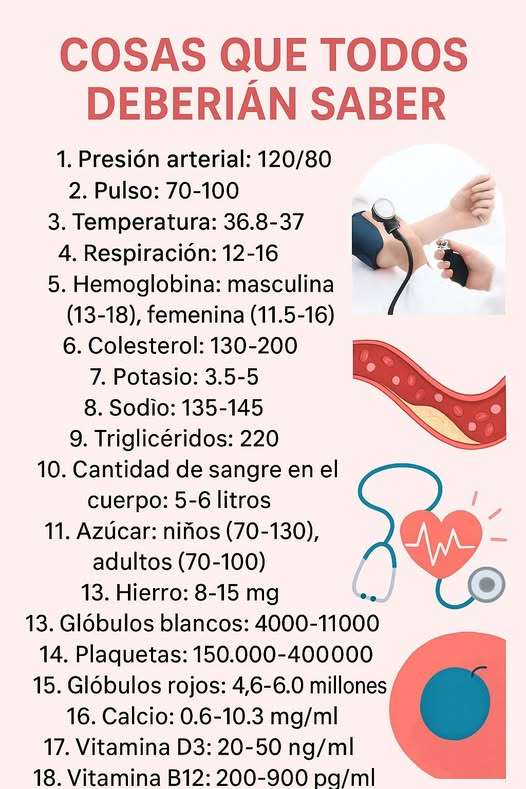
Health parameters are the quantifiable metrics that doctors use to assess your physical state. However, this information is equally powerful in your own hands. When you are familiar with your baseline numbers, you can spot trends, make informed lifestyle choices, and proactively prevent chronic diseases. For instance, maintaining an ideal blood pressure of 120/80 mmHg can significantly reduce your risk of heart disease and stroke. This knowledge transforms you from a passive patient into an active participant in your health journey.
Essential Health Parameters You Must Monitor
Staying on top of these key indicators provides a clear window into your overall health. Here is a detailed breakdown of the numbers that matter most:
Blood Pressure 🫀: The standard recommendation is 120/80 mmHg. Consistently high readings (hypertension) or very low readings (hypotension) can signal serious cardiovascular issues that require medical attention.
Resting Heart Rate 💓: A normal pulse for adults at rest ranges from 60 to 100 beats per minute. A consistently high resting heart rate could indicate stress, dehydration, or an underlying thyroid condition.
Body Temperature 🌡️: The average normal body temperature is around 98.6°F (37°C), but it can slightly vary. A significant fever is your body's clear signal that it is fighting an infection.
Respiratory Rate 🌬️: A healthy adult takes between 12 to 16 breaths per minute at rest. Noticeable changes, especially when accompanied by shortness of breath, should not be ignored.
Beyond these fundamentals, other critical lab values to discuss with your doctor include:
Hemoglobin: Essential for carrying oxygen; low levels indicate anemia.
Cholesterol: Aim to keep total cholesterol under 200 mg/dL to protect your heart.
Blood Glucose: Fasting levels should typically be below 100 mg/dL to manage diabetes risk.
Body Mass Index (BMI): While not a perfect measure, it's a useful screening tool for weight categories that may lead to health problems.
Warning Symptoms You Should Never Ignore 🚨
Your body often sends distress signals before a major health issue arises. Heeding these warnings is a cornerstone of preventive care.
Persistent Fatigue 😴: More than just tiredness, extreme and constant fatigue can be a primary sign of anemia, thyroid disorders, sleep apnea, or even heart conditions.
Shortness of Breath: If you find yourself winded from activities that used to be easy, it could point to underlying heart or lung problems and warrants a prompt medical consultation.
Unexplained Weight Changes ⚖️: Sudden weight gain or loss without changes in diet or exercise can be related to hormonal imbalances, metabolic issues like hyperthyroidism, or diabetes.
Signs of Inflammation: Swelling, redness, or warmth in your limbs, especially in the calves, should not be dismissed as they could indicate poor circulation or deep vein thrombosis.
Nutritious Recipes & Natural Remedies for Vitality
A balanced diet is your first line of defense. Incorporating specific, nutrient-dense foods can help you maintain those crucial health parameters within optimal ranges.
Energy-Boosting Quinoa and Spinach Salad 🥗
This delicious salad is packed with iron and B vitamins, which are vital for healthy red blood cells and sustained energy levels.
Ingredients:
- 1 cup of cooked quinoa
- 1 cup of fresh spinach
- 1/2 cup of cooked chickpeas
- Juice of 1 fresh lemon
- 1 tablespoon of extra virgin olive oil
- Salt and pepper to taste
Instructions: Simply combine all ingredients in a large bowl and toss gently. This meal is a powerhouse for maintaining healthy hemoglobin levels and providing long-lasting energy.
Immune-Strengthening Ginger and Lemon Infusion ☕
This soothing tea is a fantastic natural remedy for aiding digestion, reducing inflammation, and bolstering your immune system.
Ingredients:
- 1 fresh ginger root (about 2 inches, sliced)
- Juice from half a lemon
- 2 cups of hot water
Instructions: Boil the sliced ginger in water for 10-12 minutes to extract its beneficial compounds. Remove from heat, stir in the fresh lemon juice, strain, and enjoy. This infusion can also help in stabilizing blood sugar levels after meals.
Heart-Healthy Garlic & Berry Smoothie 🍓
For an extra cardiovascular boost, try this antioxidant-rich smoothie. Berries help fight inflammation, while garlic supports healthy blood pressure.
Ingredients:
- 1/2 cup of mixed berries (blueberries, strawberries)
- 1 small banana
- 1/4 cup of plain yogurt
- 1 small clove of garlic (optional)
- 1 cup of water or almond milk
Instructions: Blend all ingredients until smooth for a heart-protective start to your day.
Conclusion: Your Health is in Your Hands
Understanding your vital health indicators is more than a medical exercise—it's a fundamental aspect of self-care. By familiarizing yourself with the key parameters, recognizing potentially serious symptoms, and supporting your body with nutritious foods and natural remedies, you are building a strong foundation for a long and healthy life. Remember, consistency is key. Combine this knowledge with regular physical activity, stress management, and routine medical check-ups. Take this information as your starting point, stay curious, and continue to invest in your well-being every single day. Your future self will thank you for it. 💚
Leave a Reply