
Jugular Engorgement: Causes, Consequences, and its Relationship with Sleep
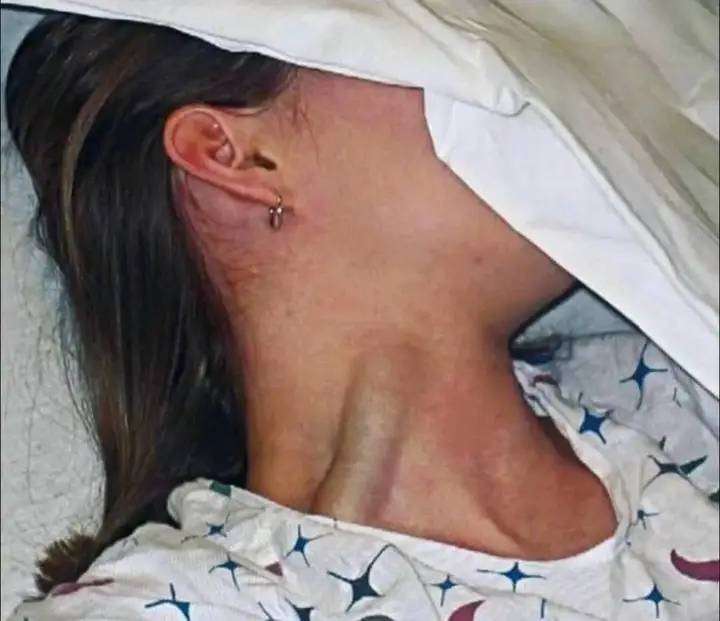
Have you ever noticed a bulging vein on the side of someone's neck? 🤔 While sometimes a temporary response to exertion, this phenomenon, known as Jugular Venous Distention (JVD) or jugular engorgement, can be a vital visual clue to underlying health conditions. This article delves into the causes, consequences, and particularly, the intriguing relationship between jugular engorgement and sleep. Understanding this sign can empower you to recognize when it might be time to seek medical advice. 🩺
What Exactly is Jugular Engorgement? 🫀
Jugular engorgement refers to the abnormal bulging or distention of the jugular veins in the neck. These veins are responsible for carrying deoxygenated blood from the head back to the heart. In a healthy individual, these veins may be slightly visible when lying down, but they should not be prominently distended, especially when sitting or standing at a 45-degree angle. When they are, it often indicates elevated pressure within the right side of the heart or the central venous system.
Unveiling the Primary Causes of Jugular Engorgement
JVD is not a disease itself but a symptom of an underlying issue. The most common culprits are related to heart and lung conditions that cause a backup of pressure in the venous system.
1. Heart Failure: This is a leading cause. Specifically, right-sided heart failure means the right ventricle is too weak to pump blood effectively to the lungs. This leads to blood backing up in the right atrium and subsequently into the jugular veins and the rest of the body's venous system.
2. Pulmonary Hypertension: High blood pressure in the arteries of the lungs makes it harder for the right side of the heart to pump blood forward. This increased resistance causes pressure to build up behind the right ventricle, leading to JVD.
3. Cardiac Tamponade: A rare but life-threatening condition where fluid builds up in the sac surrounding the heart (the pericardium), compressing the heart and preventing it from filling properly. This leads to a dramatic rise in central venous pressure and visible jugular distention.
4. Tricuspid Valve Disorders: The tricuspid valve regulates blood flow between the right atrium and ventricle. If this valve is stenotic (narrowed) or regurgitant (leaky), it can disrupt normal blood flow and contribute to elevated venous pressure.
5. Superior Vena Cava (SVC) Syndrome: This occurs when the large vein that returns blood from the upper body to the heart is obstructed, often by a tumor. This blockage causes severe swelling and engorgement of the veins in the neck, face, and arms.
The Consequences of Untreated Jugular Engorgement ⚠️
Ignoring persistent JVD can be dangerous, as it signifies that the underlying condition is not being managed. The consequences are directly tied to the progression of the root cause:
- Worsening Heart Function: The underlying heart failure or pulmonary hypertension can progress, leading to severe fatigue, shortness of breath, and reduced ability to perform daily activities.
- Fluid Overload (Edema): The increased venous pressure forces fluid out of the blood vessels and into surrounding tissues. This can cause swelling in the legs, ankles, and abdomen (ascites).
- Organ Damage: Chronic congestion can impair the function of organs like the liver and kidneys, leading to further complications.
- Respiratory Distress: Fluid can also accumulate in the lungs (pulmonary edema), causing significant breathing difficulties, especially when lying down.
The Critical Link: Jugular Engorgement and Sleep 🛌
The relationship between jugular engorgement and sleep is a crucial, yet often overlooked, aspect of this symptom. Many patients report that their symptoms, including shortness of breath and a feeling of fullness in the neck, worsen at night. Here’s why:
1. Orthopnea: This is the medical term for shortness of breath that occurs when lying flat. When a person with underlying heart failure lies down, the gravitational forces that normally pool blood in the legs are reduced. This allows more blood to return to the heart and central veins, further increasing the pressure and exacerbating jugular engorgement. The lungs also become more congested, making it difficult to breathe. Patients often need to sleep with multiple pillows to stay more upright.
2. Paroxysmal Nocturnal Dyspnea (PND): This is an even more dramatic event where the individual wakes up gasping for air, often 1-2 hours after falling asleep. It's essentially a severe, acute episode of pulmonary edema triggered by the fluid redistribution that occurs during recumbency. The engorgement of neck veins is a key part of this clinical picture.
3. Sleep-Disordered Breathing: There is a strong bidirectional relationship between heart failure and conditions like Central Sleep Apnea (Cheyne-Stokes respiration). In this pattern, breathing alternates between deep, rapid breaths and shallow, slow breaths or even temporary stops. These pauses in breathing affect blood oxygen and carbon dioxide levels, which in turn can stress the heart and influence central venous pressure, potentially making JVD more noticeable.
Diagnosis and Management: What You Can Do 🩺✅
If you or someone you know has noticeable jugular engorgement, especially if accompanied by other symptoms like swelling, fatigue, or shortness of breath, it is essential to act.
Seek Immediate Medical Attention: A healthcare professional can perform a physical exam to assess the JVD and listen to the heart and lungs for other signs like murmurs or crackles.
Diagnostic Tests May Include:
- Echocardiogram: An ultrasound of the heart to assess its structure and function.
- Chest X-ray: To check for heart enlargement and fluid in the lungs.
- Electrocardiogram (ECG): To evaluate the heart's electrical activity.
- Blood Tests: Including BNP or NT-proBNP, which are markers for heart failure.
Practical Management Tips:
- Follow Prescribed Treatment: This is paramount. Medications like diuretics ("water pills") help reduce fluid volume, while other drugs improve heart function.
- Monitor Fluid and Salt Intake: Adhering to fluid and sodium restrictions as advised by your doctor can prevent fluid overload.
- Sleep with an Elevated Head: Using a wedge pillow or multiple pillows to sleep in a more upright position can significantly alleviate nighttime breathing difficulties and reduce jugular pressure.
- Weigh Yourself Daily: A sudden weight gain can be an early sign of fluid retention, allowing for prompt intervention.
Conclusion: A Sign Not to Be Ignored
Jugular engorgement is far more than a curious physical finding; it is a window into the pressures within the heart 🫀. Its presence, particularly when it worsens at night, is a strong indicator of potential cardiac issues like heart failure or pulmonary hypertension. By understanding its causes—from valve disorders to fluid overload—and recognizing its consequences and its intimate link with sleep disturbances like orthopnea, we can appreciate its diagnostic importance. If you observe this sign, do not hesitate to consult a healthcare provider. Early diagnosis and diligent management of the underlying condition are the keys to improving outcomes and quality of life. Your vigilance could make all the difference. 💙
Leave a Reply