
Be Careful If You Sleep on Your Right Side, Here's Why
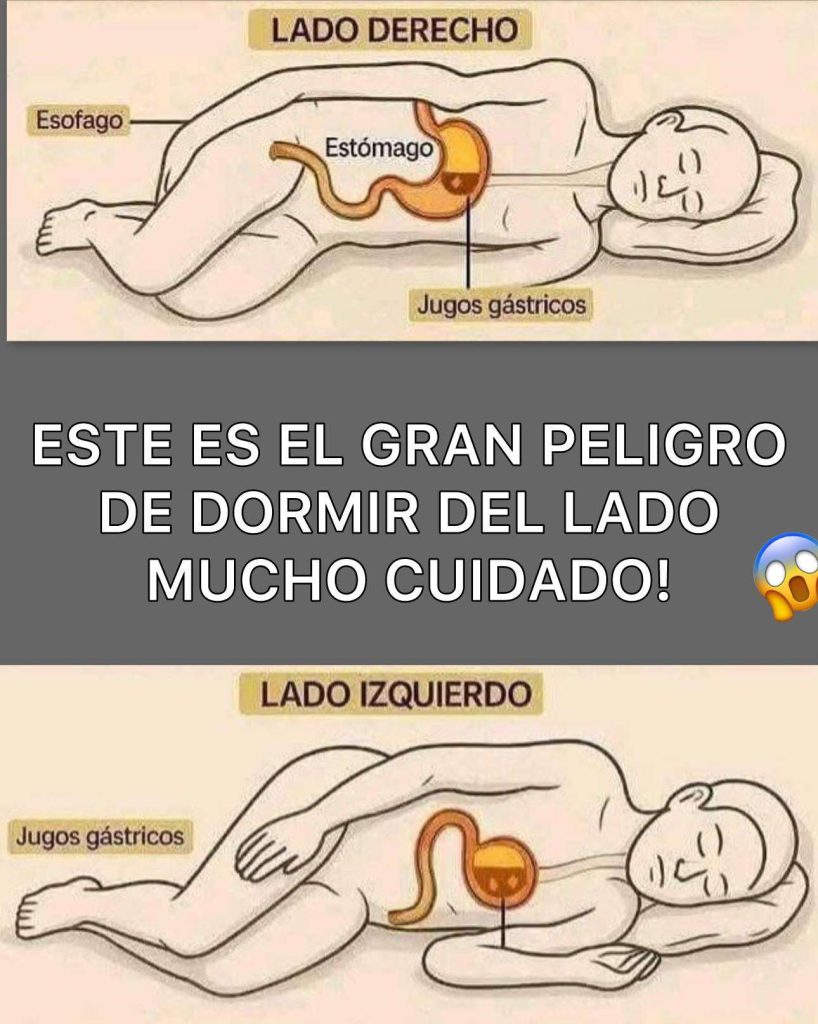
Have you ever woken up feeling less than refreshed, with unexplained aches or heartburn? 🛌 The culprit might not be your mattress or your diet, but something as simple as your sleeping position. While finding a comfortable spot for the night is crucial, the side you choose to sleep on can have profound effects on your internal health. This article delves into the science-backed reasons why sleeping on your right side might be working against your body's natural processes, from digestion to circulation. Let's uncover what your body isn't telling you and explore how a simple switch can lead to more restorative sleep and better overall health.
The Reflux Connection: A Burning Issue 🔥
One of the most significant and well-documented drawbacks of right-side sleeping is its direct link to increased gastroesophageal reflux (GERD). When you lie on your right side, your stomach—which is naturally positioned on the left side of your abdomen—ends up above your esophagus. This configuration acts like an open door, allowing harsh stomach acids to flow upward into the delicate lining of your esophagus. The result is the all-too-familiar sensation of heartburn, acid reflux, and general discomfort, which can severely disrupt your sleep cycle. 😴 For individuals already prone to gastritis or nighttime reflux, this position can turn the night into a battle with acidity.
Pro Tip: The simple solution is to switch to your left side. By doing so, the stomach and its gastric juices settle below the esophagus, using gravity as a natural barrier to prevent acid from traveling upwards. This is one of the most effective non-pharmacological ways to manage nocturnal reflux.
Impact on Your Heart and Circulatory System ❤️
Your cardiovascular health is also influenced by your sleep posture. For individuals with existing heart conditions, sleeping on the right side can place additional mechanical pressure on the heart. This is because when you lie on your right, the heart has to work slightly harder against gravity to pump blood throughout the body, which may not be ideal for its optimal function during the restorative sleep period. Furthermore, this position can subtly influence the lymphatic system, the body's primary waste-removal network. The largest lymphatic vessels, including the thoracic duct, are situated on the left side. Sleeping on the left is thought to facilitate a more efficient drainage of lymph fluids, aiding the body in its natural detoxification process overnight.
Musculoskeletal Strain and Shoulder Pain 💢
Beyond internal organs, your musculoskeletal system bears the brunt of an unfavorable sleep position. Consistently sleeping on your right side can lead to uneven pressure on your shoulder and hip joints. Over time, this can cause compression of the nerves and reduced blood flow to the area, resulting in morning stiffness, numbness, and chronic pain in the right shoulder and hip. This is especially problematic for those with pre-existing conditions like bursitis or rotator cuff injuries. To mitigate this, ensuring you have a supportive pillow that keeps your head and spine in a neutral alignment is crucial, regardless of the side you sleep on.
Beyond the Basics: Other Considerations
The influence of sleep posture extends even further. For pregnant women, especially in the later stages, doctors strongly advise against sleeping on the back and often recommend the left side as the optimal position. This maximizes blood flow to the placenta, providing the baby with more oxygen and nutrients. 🧑🍼 While the research is still evolving, some studies also suggest that right-side sleeping might have a subtle impact on the nervous system, potentially making it harder to enter the deepest, most restorative stages of sleep compared to left-side sleeping.
Practical Tips for a Healthier Sleep Position 🛏️
Changing a lifelong sleep habit can be challenging, but these strategies can help you make the transition:
- Use the Pillow Barrier Method: Place a firm body pillow or a few standard pillows against your back. This physically prevents you from rolling onto your right side during the night.
- Left-Side Lighting: Try sleeping on the left side of the bed, facing away from the center or a wall. This can create a subconscious preference for facing outward, onto your left side.
- Be Patient and Persistent: It can take several weeks for your body to adapt to a new sleep position. Don't get discouraged if you wake up on your right side initially; just readjust and try again.
Conclusion: Listen to What Your Body is Trying to Say
Sleep is a pillar of health, and its quality is deeply intertwined with our physical well-being. While comfort is king, the evidence suggests that dormir sobre el lado izquierdo ofrece beneficios tangibles para la digestión, el corazón y la circulación. If you regularly experience acid reflux, have a heart condition, or wake up with unexplained shoulder pain, your right-side sleeping habit might be a contributing factor. By making a conscious effort to switch to your left side, you are not just changing a position; you are actively optimizing your body's internal environment for healing, recovery, and overall vitality. 🌙 Your body will thank you for it with deeper, more peaceful sleep and brighter, more energetic mornings.
Leave a Reply