
Canker Sores: Common Causes and Effective Treatments to Cure Mouth Sores
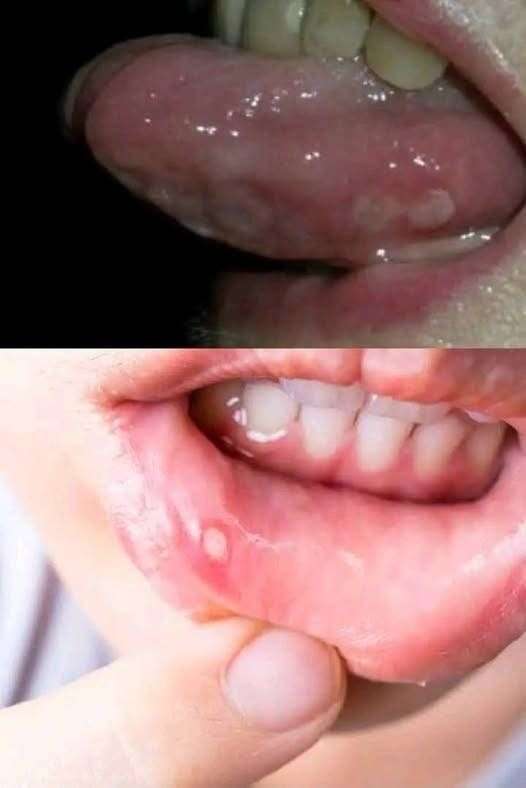
Dealing with a painful, small sore inside your mouth? You're likely experiencing a canker sore, a common and often annoying oral health issue. 🩹 While generally harmless, these ulcers can make everyday activities like eating, drinking, and talking uncomfortable. This comprehensive guide will walk you through everything you need to know about canker sores—from their common causes and effective treatments to practical prevention strategies. Our goal is to equip you with the knowledge to manage these sores effectively, accelerate healing, and reduce their recurrence, so you can get back to living your life pain-free. 😊
What Exactly Are Canker Sores?
Canker sores, medically known as aphthous ulcers, are small, shallow, and painful lesions that develop on the soft tissues inside your mouth. Unlike cold sores, canker sores are not contagious and do not appear on the surface of your lips. They typically present as round or oval ulcers with a white or yellowish center surrounded by a bright red, inflamed border. 🎯 You'll usually find them on the inside of your cheeks and lips, on your tongue, at the base of your gums, or on your soft palate.
It's crucial to distinguish them from herpes labialis (cold sores), which are caused by the herpes simplex virus and are highly contagious. Canker sores, on the other hand, have a more complex, multifactorial origin that is not viral. Understanding this difference is the first step in applying the correct treatment and managing expectations for the healing process.
Uncovering the Main Causes of Canker Sores 🧐
Pinpointing a single cause for a canker sore can be challenging, as they often result from a combination of factors. However, several common triggers have been identified:
- Minor Mouth Injuries: Accidental bites, overzealous brushing, dental work, ill-fitting dentures, or even a sharp piece of food can cause trauma that leads to an ulcer.
- Emotional Stress: 🧠 Periods of high stress, anxiety, or fatigue can weaken your immune system and are strongly linked to more frequent outbreaks.
- Nutritional Deficiencies: A lack of essential nutrients is a significant contributor. Deficiencies in iron, vitamin B12, folic acid, and zinc can make you more susceptible to developing these painful sores.
- Hormonal Fluctuations: Many women experience canker sores in relation to their menstrual cycle, pregnancy, or menopause due to shifting hormone levels.
- Food Sensitivities: 🍋🍫 Acidic or abrasive foods like citrus fruits, strawberries, tomatoes, nuts, chocolate, and spicy dishes can trigger sores in some individuals.
- Underlying Health Conditions: In cases of severe or recurrent sores, they may be a symptom of a systemic condition such as Celiac disease, Crohn's disease, Behçet's disease, or HIV/AIDS. A compromised immune system often plays a role.
- Toothpaste and Mouthwash: Some people are sensitive to sodium lauryl sulfate (SLS), a foaming agent found in many toothpastes and oral rinses, which can irritate the oral mucosa.
Effective Treatments to Heal Canker Sores Fast 💊
While most minor canker sores heal on their own within 7 to 14 days, the right treatment can significantly reduce pain and speed up recovery. Here are the most effective strategies:
- Antiseptic and Antimicrobial Mouthwashes: Using a rinse containing chlorhexidine can help keep the ulcer clean, prevent a secondary bacterial infection, and promote faster healing. 🦠
- Topical Products and Gels: Over-the-counter pastes and gels can provide a protective barrier and relief. Look for ingredients like hyaluronic acid gel, which forms a shield, or benzocaine, which acts as a local anesthetic to numb the pain. For more severe cases, a dentist may prescribe a topical corticosteroid like triamcinolone to reduce inflammation.
- Dietary Adjustments: While the sore is healing, it's wise to avoid hot, spicy, salty, and highly acidic foods and beverages. These can further irritate the ulcer and increase discomfort. Stick to soft, bland, and cool foods like yogurt, pudding, and applesauce. 🍦
- Gentle Oral Hygiene: Switch to a soft-bristled toothbrush and consider an SLS-free toothpaste. Be extra careful when brushing around the sore to avoid aggravating it.
- Nutritional Supplementation: If a blood test confirms a deficiency, your doctor may recommend supplements for vitamin B12, iron, folic acid, or zinc. This addresses the root cause and can prevent future outbreaks.
- Home Remedies: Rinsing your mouth with a saltwater or baking soda solution (½ teaspoon in a glass of warm water) several times a day can help soothe the area and reduce inflammation.
When Should You See a Doctor or Dentist? 🚨
Although most canker sores are benign, certain signs warrant professional medical or dental advice. You should schedule an appointment if you experience:
- Sores that persist for more than two weeks.
- Unusually large ulcers (major aphthous ulcers).
- A frequent recurrence of sores (new ones appearing before old ones heal).
- Severe pain that isn't managed with over-the-counter treatments.
- Sores that are accompanied by a high fever, fatigue, or swollen lymph nodes.
- The appearance of sores in other locations on your body, such as on the genitals.
These symptoms could indicate an underlying systemic condition that requires a proper diagnosis and a more targeted treatment plan.
Proactive Prevention is Key 🔑
Managing your overall oral and systemic health is the best defense against canker sores. Focus on a balanced diet rich in vitamins and minerals, practice effective stress-management techniques like meditation or yoga, and maintain a consistent, gentle oral hygiene routine. If you identify specific food triggers, try to eliminate them from your diet. Paying attention to your body's signals can help you prevent many outbreaks before they even start.
Conclusion: Taking Control of Your Oral Health
Canker sores, while a common nuisance, don't have to control your life. By understanding their multifaceted causes—from stress and nutrition to minor injuries—you can take proactive steps to minimize their occurrence. A combination of effective topical treatments, dietary mindfulness, and gentle oral care can drastically reduce healing time and discomfort. Remember, persistent or unusually severe sores should always be evaluated by a healthcare professional. With the right knowledge and tools, you can effectively manage canker sores and maintain a healthy, comfortable mouth. 😄
Leave a Reply