
Ganglion Cyst on the Wrist: Common Causes and Natural Remedies
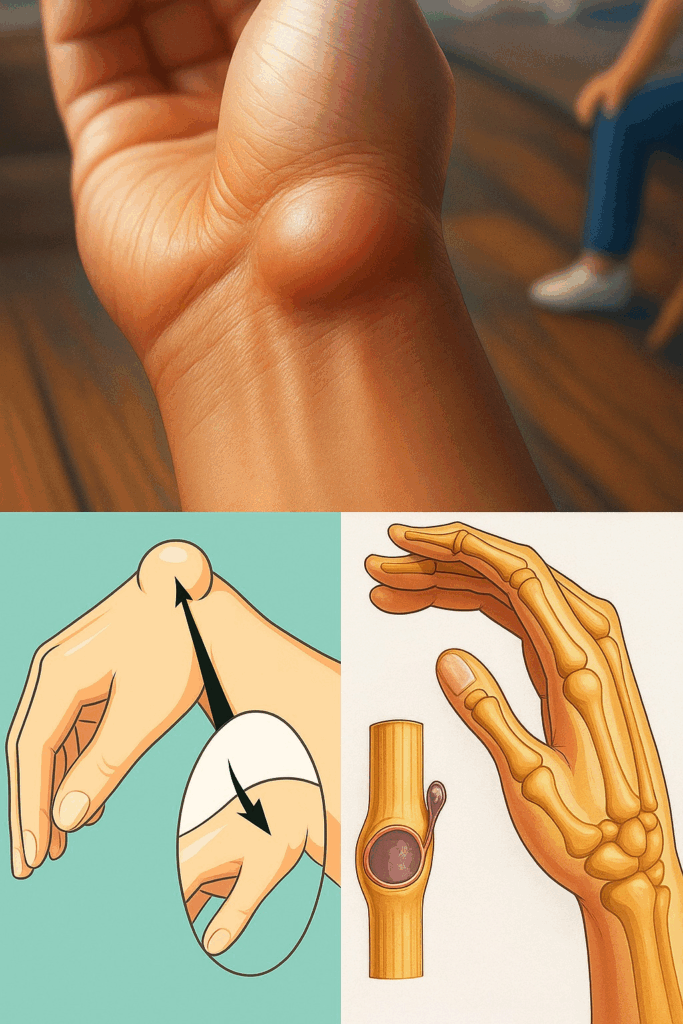
Have you noticed a mysterious, often painless lump on your wrist or hand? You're not alone. 👋 This common bump, known as a ganglion cyst, is a frequent source of curiosity and sometimes concern. While the sight of any new growth can be worrying, understanding what it is and how to manage it can bring significant peace of mind. This article will serve as your comprehensive guide, delving into the common causes of ganglion cysts and exploring a range of safe, natural remedies you can consider. Let's demystify this common condition together.
What Exactly is a Ganglion Cyst? 🤔
A ganglion cyst is a non-cancerous, fluid-filled sac that typically forms along the tendons or joints of your wrists or hands, though they can also appear on ankles and feet. Think of it as a small, round or oval balloon filled with a thick, jelly-like fluid. They are among the most common benign soft-tissue masses, and while they can develop in anyone, they are more prevalent in women and individuals between the ages of 20 and 40. The good news is that these cysts are generally harmless and often disappear on their own without any intervention.
Unveiling the Common Causes Behind Ganglion Cysts
Despite being a well-known condition, the exact cause of ganglion cysts remains somewhat of a medical mystery. 🕵️♀️ However, experts have identified several strong associations and contributing factors. The prevailing theory is that they occur due to a weakness in the joint capsule or tendon sheath, allowing the underlying tissue to bulge out and form a cyst. Here are the most common triggers and risk factors:
- Joint or Tendon Stress and Trauma: Repetitive movements or a single injury can irritate the joint or tendon, potentially leading to cyst formation. This is common in athletes or individuals with certain occupations.
- Underlying Joint Conditions: Conditions like arthritis can cause changes in the joint that make the development of a cyst more likely.
- Mechanical Changes: Some research suggests that a flaw in the joint tissue allows fluid to leak out, creating the cyst.
- Age and Gender: As mentioned, women and younger to middle-aged adults are at a higher risk.
It's crucial to understand that in many cases, there is no identifiable cause, and the cyst simply appears without a clear reason.
Exploring Natural and At-Home Remedies 🌿
If your cyst is not causing pain or limiting your movement, a "watch-and-wait" approach is often the first recommendation. Many cysts resolve spontaneously. For those seeking to encourage this process or manage discomfort, several natural remedies can be beneficial. Always consult with a healthcare professional before attempting any treatment.
Warm Compresses: Applying a warm, moist compress to the cyst for 10-15 minutes several times a day can help increase blood circulation to the area. This may promote fluid drainage and reduce the size of the cyst. 🔥
Gentle, Guided Massage: Very gentle massage around (not directly on) the cyst can sometimes help stimulate fluid reabsorption. However, avoid pressing too hard, as this can cause the cyst to rupture under the skin, leading to increased pain and swelling.
Anti-Inflammatory Supplements and Diet: Incorporating natural anti-inflammatories into your diet can support your body's healing processes. Consider adding turmeric (curcumin), ginger, and omega-3 fatty acids (found in fish oil and flaxseeds). A diet rich in fruits, vegetables, and whole grains can also help manage systemic inflammation. 🥗
Immobilization and Rest: Since repetitive motion can aggravate a ganglion cyst, giving the affected joint a rest can be highly effective. Using a wrist brace or splint for short periods can limit movement, reduce irritation, and potentially allow the cyst to shrink.
Mindful Observation: One of the simplest yet most important steps is to monitor the cyst. Take note of any changes in its size, shape, or color, and pay attention to any increase in pain. This information is valuable for your doctor.
Important Precautions and When to See a Doctor ⚠️
While natural remedies are helpful, it's vital to know what not to do. The old-fashioned "Bible therapy" (striking the cyst with a heavy book) is strongly discouraged. This can cause significant injury to the surrounding tissues, lead to infection, and is rarely a permanent solution.
You should definitely schedule an appointment with your doctor if you experience any of the following:
- Rapid growth or a significant change in the cyst's appearance.
- Persistent pain, numbness, or tingling.
- Difficulty moving the joint or performing daily activities.
- The cyst returns after a previous treatment.
A doctor can provide a definitive diagnosis, often through physical examination and sometimes with an ultrasound, and discuss medical interventions like aspiration (draining the fluid) or surgery if necessary.
Conclusion: Empowering Yourself with Knowledge
Discovering a ganglion cyst on your wrist can be unsettling, but it's important to remember that these lumps are typically harmless. By understanding their common causes—often linked to joint stress or mechanical issues—you can better contextualize their appearance. The natural remedies of warm compresses, rest, anti-inflammatory nutrition, and mindful observation offer a proactive and gentle approach to management. 🙌
Your health journey is personal, and being informed is your greatest asset. Listen to your body, use these remedies wisely, and never hesitate to seek professional medical advice for a proper diagnosis and a treatment plan tailored just for you. Stay proactive and empowered in your wellness! 💚
Leave a Reply