58-year-old woman gives birth to twins: an extraordinary case
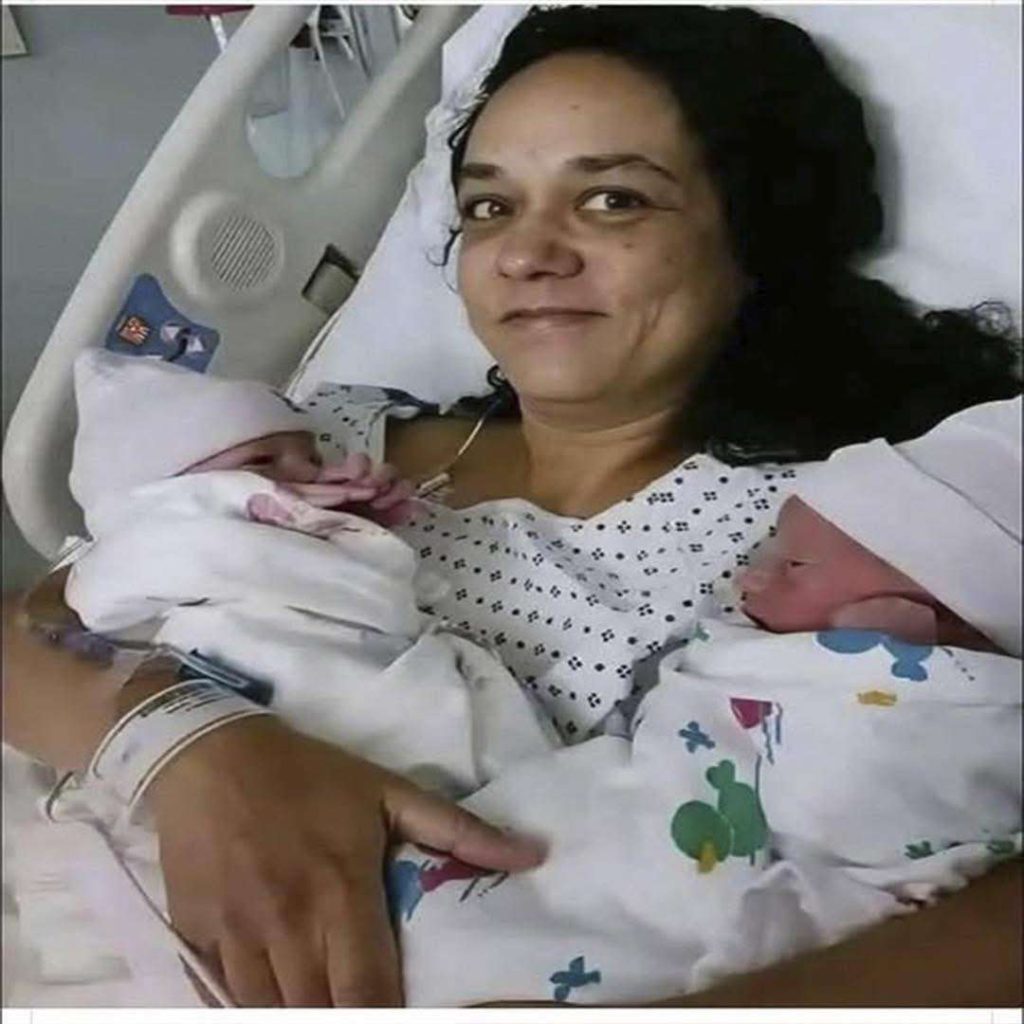
A 58-year-old woman giving birth to twins is an event that captivates global attention, pushing the boundaries of what we understand about motherhood and modern medicine. 👩👧👦 This extraordinary case is not just a personal miracle but a significant medical event that offers profound insights into advanced maternal age, fertility science, and neonatal care. This article will explore the details of this remarkable birth, the inherent risks and rewards, and the broader implications for society and healthcare.
The Medical Marvel: A Closer Look at the Case
The birth of twins to a 58-year-old mother is an exceptional occurrence that highlights the incredible advances in Assisted Reproductive Technology (ART). 🏥 This typically involves procedures like In Vitro Fertilization (IVF), often using donor eggs to achieve a successful pregnancy. What made this case particularly stunning for the medical team were certain unique characteristics of the newborns that underscored the unpredictable nature of such late-age pregnancies. These "particularities," while not detailed to protect patient privacy, could relate to their birth weight, specific health markers, or other developmental factors that deviated from the expected norms, leaving specialists in awe.
Navigating the Risks: Pregnancy at an Advanced Age
While a testament to human resilience and medical capability, a pregnancy in a woman's late 50s is classified as a high-risk pregnancy and requires meticulous management. The potential complications are significant for both the mother and the babies. For the mother, there is an increased risk of developing conditions like gestational diabetes, preeclampsia (a severe form of high blood pressure), and cardiovascular strain. For the babies, risks can include premature birth and low birth weight, which are more common in multiple pregnancies. This case received intensive, specialized care from a multidisciplinary team of obstetricians, perinatologists, and neonatologists to navigate these challenges successfully. This level of constant medical supervision is non-negotiable in such scenarios. 👩⚕️
The Science Behind the Miracle: Fertility Breakthroughs
This event is a powerful reminder of how far fertility science has come. Decades ago, this would have been biologically impossible. Today, technologies like IVF, egg donation, and sophisticated hormonal treatments have redefined the timeline of motherhood. These advancements offer hope to many individuals and couples who wish to have children later in life. However, it is crucial to understand that success rates with donated eggs, while higher, still come with the amplified risks associated with advanced maternal age. The journey requires careful consideration, emotional resilience, and significant financial investment.
A Society in Debate: The Ethics of Late Motherhood
Beyond the medical headlines, this birth inevitably sparks a complex debate on late-life parenthood. 🤔 Conversations often center around the ethical considerations, the emotional and physical energy required to raise children into one's senior years, and the long-term well-being of the child. While some question the practicality, others champion the right to choose and the unique stability, wisdom, and profound desire that older parents can bring to the family unit. This case forces us to confront our societal notions about age and the appropriate time for motherhood.
Key Takeaways and Practical Considerations
For anyone considering or navigating a pregnancy at an advanced maternal age, this case offers several crucial lessons:
- Comprehensive Medical Consultation is Paramount: Before embarking on this journey, a full medical evaluation is essential to understand all potential risks and realities.
- Assemble a Specialized Healthcare Team: Ensure your care is managed by doctors experienced in high-risk obstetrics and fertility treatments.
- Prioritize Your Health: Optimal nutrition, appropriate exercise, and strict adherence to medical advice form the foundation of a healthier pregnancy.
- Build a Strong Support System: The emotional and physical demands are significant. Leaning on partners, family, friends, and support groups is invaluable. 💚
Conclusion: A Testament to Possibility and Prudence
The story of the 58-year-old mother of twins is undeniably extraordinary. It is a powerful narrative about the triumph of modern science and the enduring human spirit. It demonstrates that the desire for motherhood knows no age limit. However, it also serves as a critical reminder of the importance of realistic expectations, professional guidance, and informed consent. Every pregnancy is unique, and while medicine continues to expand the frontiers of possibility, it must be pursued with caution, care, and a deep sense of responsibility. This case reminds us that life, in all its forms, can indeed surprise us when we least expect it. ✨
Leave a Reply