
Chenopodium or Epazote: Uses and Benefits You Didn't Know
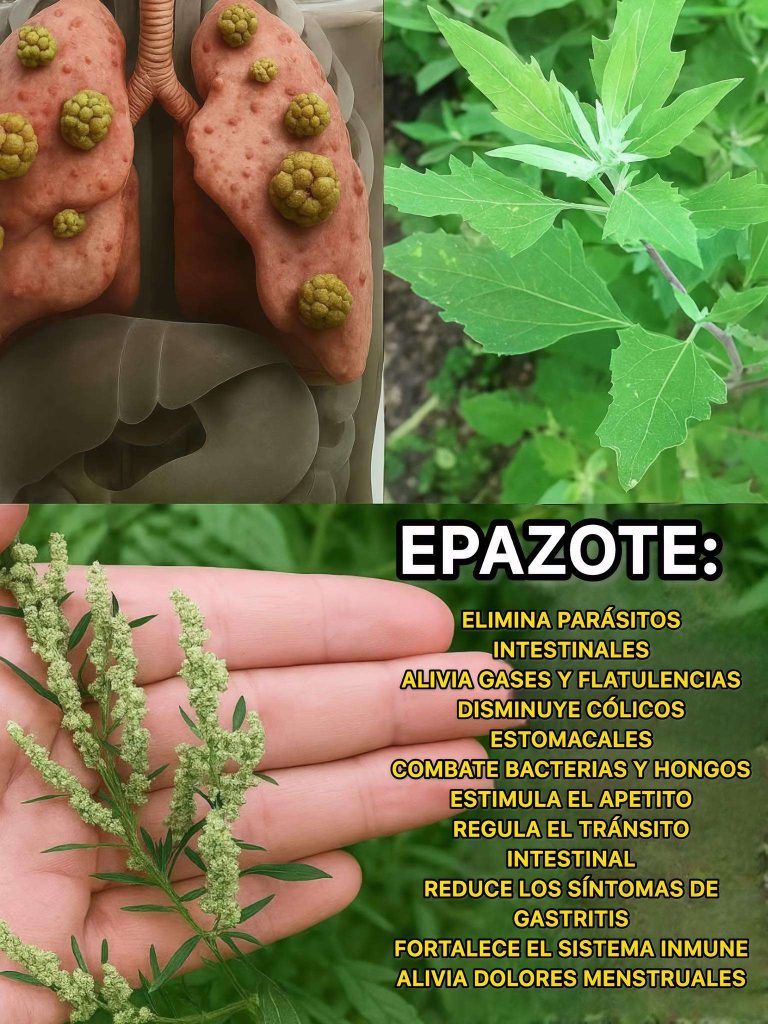
Chenopodium, often known by its common name Epazote, is a genus of plants that might be unfamiliar by its scientific title but has been a cornerstone in traditional medicine and cuisine for centuries. 🌿 Often dubbed wild quinoa, goosefoot, paico, or Jesuit's tea, this potent herb grows wild across Latin America, Asia, and Europe. Its distinctive aroma and flavor are matched only by its impressive array of health benefits, making it a powerful, natural ally for everything from digestive woes to parasitic infections. This article will delve deep into the world of Chenopodium, exploring its many common names, traditional and modern uses, therapeutic properties, and providing you with a practical, effective natural recipe to harness its full potential for your health.
More Than Just a Name: Common Aliases of Chenopodium
Depending on where you are in the world, Chenopodium goes by many different names, each reflecting its local cultural significance. This diversity highlights its widespread use and importance. Some of the most popular names include:
- Epazote (Widely used in Mexico and Central America, essential in culinary dishes like black beans).
- Paico (Common in South America, particularly in Peru and Bolivia, revered for its medicinal properties).
- Goosefoot (The common English name, derived from the distinctive shape of its leaves that resemble a goose's foot). 🦢
- Wormseed (Referring to its potent antiparasitic qualities).
- Mexican Tea (Highlighting its use as an herbal infusion).
- Hierba Hedionda ("Stinky Herb" in Spanish, a frank description of its strong, pungent odor).
This variety of names is a testament to its integration into various cultures, primarily for two purposes: as a culinary flavor enhancer and a powerful medicinal remedy.
Traditional and Modern Medicinal Uses of Chenopodium
For generations, Chenopodium has been a trusted remedy in the healer's toolkit. Its applications are vast, targeting everything from internal parasites to respiratory congestion. Modern research is beginning to validate many of these traditional uses, shedding light on the science behind the folklore.
1. Potent Natural Dewormer (Anthelmintic) 🪱
Perhaps its most famous use is as a vermifuge to expel intestinal parasites like worms, pinworms, and amoebas. The compound ascaridol is primarily responsible for this powerful action.
2. Digestive and Carminative Aid
It effectively relieves gas, bloating, and colic. This is why it's famously added to bean dishes in Mexican cuisine—not just for flavor, but to prevent the gaseous side effects! 🤰
3. Anti-inflammatory Powerhouse
Applied topically as a poultice or wash, it can help reduce muscle and joint inflammation, providing relief for conditions like arthritis.
4. Menstrual Regulator
As an uterine stimulant, it can help regulate irregular menstrual cycles and alleviate associated cramping and pain.
5. Antibacterial and Antifungal Agent
Its natural compounds exhibit antimicrobial properties, helping the body fight off various bacterial and fungal infections.
6. Natural Expectorant for Respiratory Health 🫁
It helps loosen and expel phlegm from the lungs, making it a valuable remedy for colds, bronchitis, and chest congestion.
7. Digestive Tonic
It acts as a general tonic for the digestive system, stimulating appetite and promoting healthy gastrointestinal function.
8. Relief for Infant Colic
A very mild, carefully administered tea has been used traditionally to soothe colic in babies, though medical supervision is absolutely essential.
9. Natural Insect Repellent
Its strong, pungent scent acts as a natural deterrent for mosquitoes, fleas, and other insects. 🦟
10. Rich in Antioxidants
It is a source of flavonoids and other compounds that combat oxidative stress and cellular damage caused by free radicals, supporting overall health and anti-aging.
A Simple, Powerful Chenopodium Recipe for Digestion & Parasite Cleanse
Here is a straightforward recipe to create a beneficial infusion at home. This natural remedy can support your digestive system and act as a gentle dewormer.
Ingredients:
- 5-7 fresh Chenopodium leaves (Epazote or Paico) or 1 tablespoon of dried leaves.
- 1 cup of water (250 ml).
- 1 teaspoon of crushed pumpkin seeds (optional, enhances the antiparasitic effect). 🎃
- ½ teaspoon of raw honey or a slice of ginger (optional, for flavor and added digestive benefits).
Preparation:
- Thoroughly wash the fresh leaves to remove any dirt.
- Bring the water to a rolling boil in a small pot.
- Add the Chenopodium leaves (and pumpkin seeds/ginger, if using) and reduce the heat.
- Allow it to simmer gently for 5-7 minutes with the lid on to preserve the volatile oils.
- Turn off the heat, cover the pot, and let it steep for an additional 10 minutes.
- Strain the infusion into a cup and add honey to taste if desired.
How to Consume:
- For a Parasite Cleanse: Drink one cup on an empty stomach for 5-7 consecutive days. It's often recommended to follow a cycle, such as 5 days on, 2 days off, for a few weeks, but consult a healthcare provider for prolonged use.
- For Digestive Aid: Drink half a cup after your main meals to alleviate gas and bloating.
Top 20 Health Benefits of Chenopodium at a Glance
- 1. Effectively eliminates intestinal parasites.
- 2. Relieves gas and flatulence.
- 3. Soothes stomach cramps and colic.
- 4. Combats harmful bacteria and fungi.
- 5. Stimulates a healthy appetite.
- 6. Regulates bowel movements and intestinal transit.
- 7. Reduces symptoms of gastritis and indigestion.
- 8. Strengthens the immune system. 💪
Leave a Reply