
Chin Hair in Women: Causes and How to Treat It
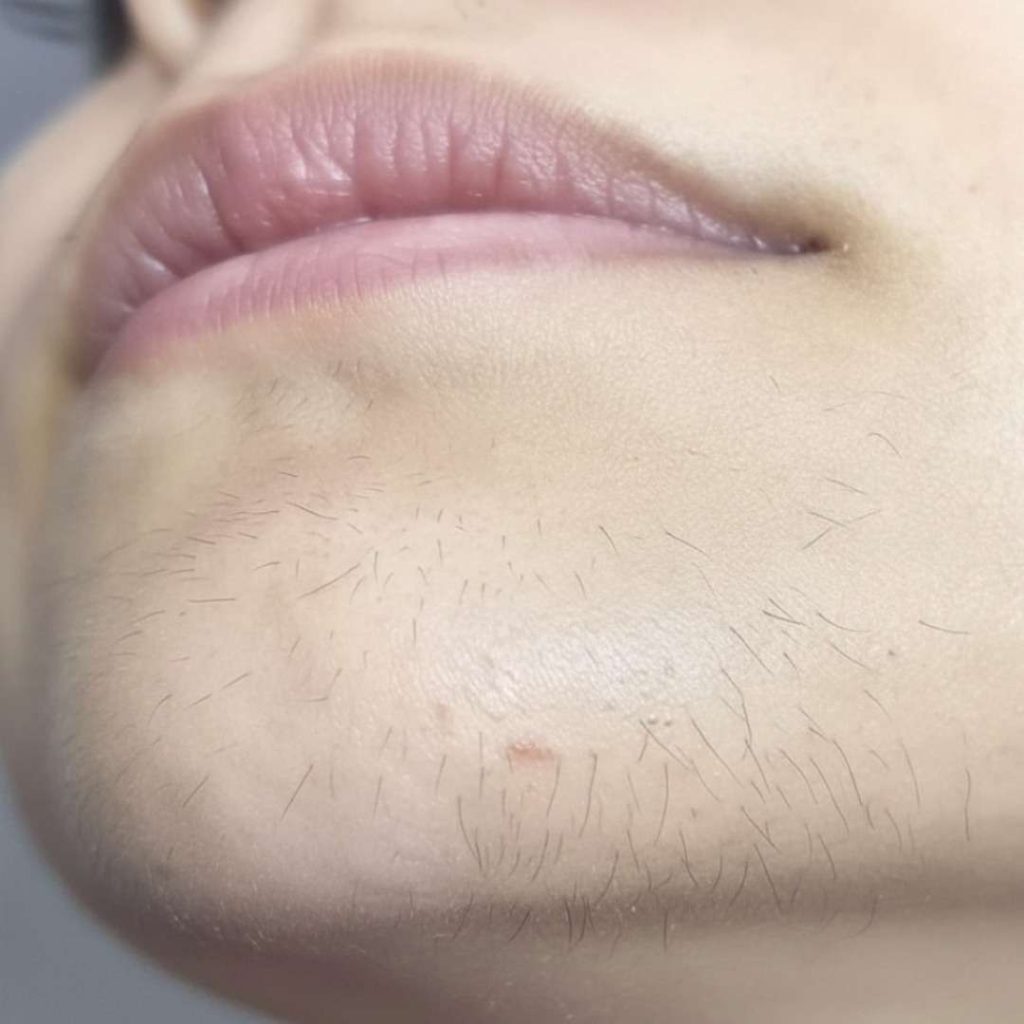
Have you ever noticed a stubborn, dark hair growing on your chin and wondered where it came from? You are certainly not alone. 🙋♀️ While often considered a taboo topic, chin hair in women is an incredibly common occurrence. This article will serve as your comprehensive guide, delving into the root causes and providing a range of effective, practical treatment options to help you manage this concern with confidence.
What Causes Chin Hair in Women? 🔍
Firstly, it's important to understand that a few fine, light hairs on the chin are normal. The issue arises when these hairs become coarse, dark, and more noticeable. This growth is primarily driven by hormones, specifically androgens like testosterone. All women produce androgens, but sometimes an imbalance or heightened sensitivity can lead to unwanted hair, a condition known as hirsutism.
Let's explore the most common causes behind this hormonal shift:
- Genetics 🧬: Your family history plays a significant role. If your mother or grandmother experienced chin hair, you are more likely to as well. This is often tied to ethnic background, with women of Mediterranean, Middle Eastern, and South Asian descent being more prone to facial hair.
- Polycystic Ovary Syndrome (PCOS) 🩺: This is one of the most common endocrine disorders in women of reproductive age. PCOS is characterized by a hormonal imbalance that can cause ovarian cysts, irregular periods, and elevated androgen levels, which directly result in increased facial and body hair.
- Menopause and Aging ⏳: As women approach menopause, estrogen levels decline. This can cause a relative increase in the effect of androgens, leading to the appearance of new coarse chin hairs that weren't there before.
- Certain Medications 💊: Some drugs, such as certain corticosteroids, minoxidil, or phenytoin, can have the side effect of promoting hair growth in unwanted areas.
- Adrenal Gland Disorders: Conditions like congenital adrenal hyperplasia or tumors can cause the adrenal glands to produce excess androgens.
Effective Treatment and Management Options ✨
Managing chin hair is a personal choice, and there is a wide spectrum of methods available, from simple at-home fixes to more permanent clinical solutions. The best option for you depends on your budget, pain tolerance, and the extent of the hair growth.
Temporary Removal Methods
These methods are excellent for quick, immediate results but require regular maintenance.
- Tweezing: Ideal for removing individual hairs. Always tweeze in the direction of hair growth to minimize skin trauma and prevent ingrown hairs. 👍
- Threading: A precise technique that uses a twisted cotton thread to remove rows of hair. It's great for shaping and can be less irritating than waxing for some.
- Waxing or Sugaring: These methods remove hair from the root, providing smoother skin for several weeks. Be cautious if you have sensitive skin or are using retinoids, as these can increase the risk of irritation. 🚨
- Bleaching: Instead of removing the hair, bleaching lightens it, making it less visible. This is a good option for fine but dark hair. Always do a patch test first to avoid skin reactions.
Longer-Lasting and Permanent Solutions
If you're looking for a more permanent reduction in hair growth, consider these options:
- Laser Hair Removal 💡: This treatment uses concentrated light to target and destroy the hair follicle. It works best on individuals with light skin and dark hair. Multiple sessions are required for optimal results, and it is crucial to have the procedure done by a certified professional.
- Electrolysis: This is the only method approved by the FDA for *permanent* hair removal. A tiny probe is inserted into each hair follicle to deliver an electric current that destroys it. It is effective on all skin and hair types but can be time-consuming for large areas.
- Prescription Creams: Eflornithine (Vaniqa) is a prescription cream that works by inhibiting an enzyme necessary for hair growth. It doesn't remove hair but slows its growth, making it a useful adjunct to other removal methods.
Addressing the Underlying Cause 🩺
If your chin hair is sudden, rapid, or accompanied by other symptoms like acne, voice deepening, or irregular periods, it is essential to consult a healthcare provider. They can perform tests to check for conditions like PCOS or adrenal issues. Treating the root cause is the most effective long-term strategy for managing hirsutism. A doctor may recommend treatments like hormonal birth control pills or anti-androgen medications to help rebalance your hormones.
Conclusion: Embrace Your Choices 💖
Dealing with chin hair can be frustrating, but it's a normal part of life for countless women. The key takeaway is that you have power and options. From simple tweezing to advanced laser treatments, the method you choose is entirely up to you. Remember, if the hair growth feels excessive or is causing you concern, seeking medical advice is a proactive and wise step. Ultimately, managing your appearance should be about what makes *you* feel comfortable and confident in your own skin. 😊
Leave a Reply