
Discover How to Get Your Sansevieria or Mother-in-Law's Tongue to Bloom Beautifully
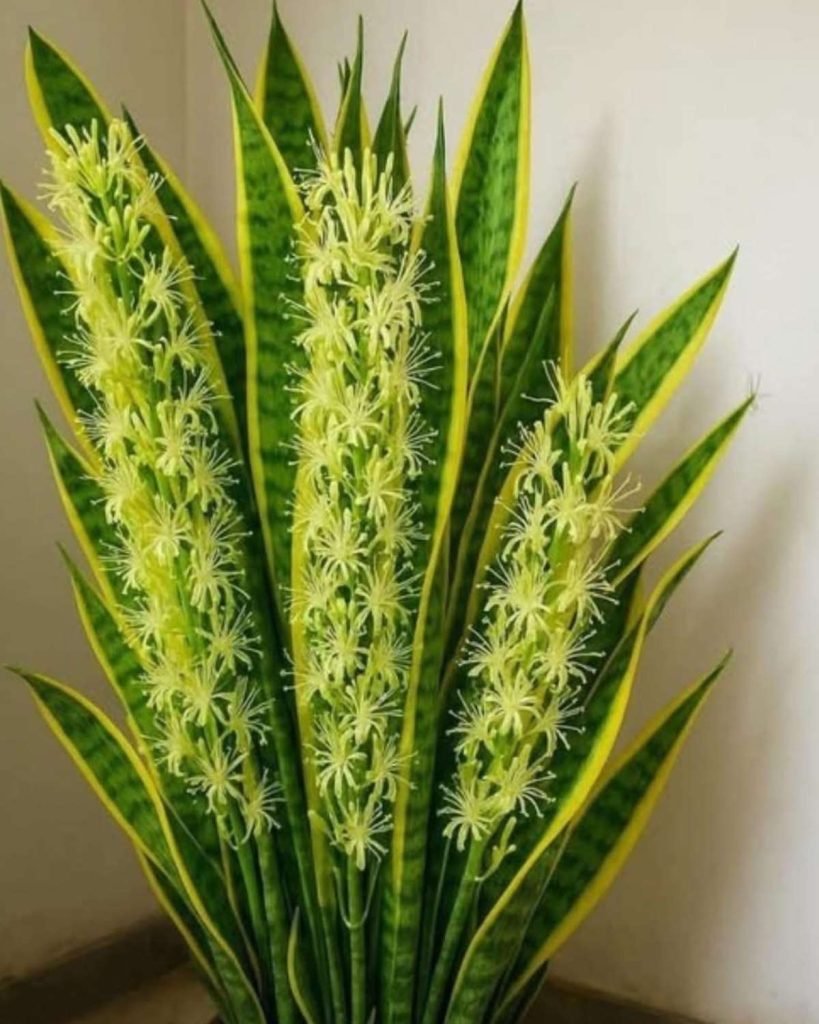
Have you ever seen a Sansevieria, or Mother-in-Law's Tongue, in full bloom? While renowned for being nearly indestructible and thriving on neglect, this hardy houseplant can, with the right encouragement, produce stunning and fragrant flowers. 🌸 Achieving this is a rare and rewarding event for any plant parent. This guide will walk you through the specific, expert-approved steps to significantly increase your chances of witnessing your Sansevieria's spectacular bloom, transforming it from a simple foliage plant into a true showstopper.
Understanding the Sansevieria Bloom
First, it's important to know that flowering in Sansevieria is not a common occurrence, especially when grown indoors. In its natural habitat, it often blooms under specific conditions that signal a "last resort" effort to reproduce. This doesn't mean the plant is dying; rather, it's a sign of a mature, well-cared-for plant that feels stable enough to invest energy into flowering. The blossoms themselves are unique: they grow on a long, slender spike (called a raceme) and are typically white, cream, or greenish-white. Their most notable feature is a sweet, potent fragrance, often compared to jasmine or vanilla, that is most pronounced at night. ✨
1. Provide the Right Light ☀️
Sansevieria is famously adaptable to low-light conditions, but if your goal is a flower, you must level up its lighting situation. While it can survive in dim corners, it will merely exist there. To thrive and potentially bloom, it needs a significant amount of bright, indirect light. Think of a spot near an east or south-facing window where it's bathed in light but protected from the harsh, direct rays of the midday sun that can scorch its leaves. This ample light acts as the primary energy source, fueling the plant's metabolic processes and providing the necessary resources for the energetically costly process of flowering.
2. Master the Art of Watering 💧
As a succulent, the Sansevieria stores water in its thick, leathery leaves, making it extremely drought-tolerant. The number one killer of this plant is overwatering, which leads to root rot. For a healthy plant, the rule is simple: water only when the soil is completely dry. Stick your finger about two inches into the soil; if it feels dry, it's time to water. During the active growing season (spring and summer), this might be every 2-3 weeks. In the dormant period (fall and winter), you can reduce watering to once a month or even less. Proper watering is non-negotiable for overall plant health, which is the foundation for any chance of flowering.
3. Use a Well-Draining Soil Mix 🌱
The perfect soil mix is your best defense against overwatering. A standard potting soil is often too moisture-retentive for Sansevieria's liking. Instead, opt for a specialized succulent or cactus potting mix. You can enhance any mix by adding perlite, pumice, or coarse sand to improve aeration and drainage dramatically. Equally critical is using a pot with ample drainage holes. This setup ensures that water flows freely through the soil, preventing the roots from sitting in water and creating the well-oxygenated environment they crave.
4. Apply the Right Fertilizer 🧪
Feeding your plant correctly can be the final push it needs to flower. During the spring and summer, fertilize once a month with a balanced, water-soluble fertilizer diluted to half-strength. However, to specifically encourage blooms, some gardeners recommend switching to a fertilizer with a higher ratio of phosphorus (the middle number in the N-P-K ratio), such as a 5-10-5 blend. Phosphorus is known to support the development of flowers and roots. A crucial caveat: avoid fertilizing during the winter when the plant is not actively growing, as this can lead to harmful salt buildup in the soil.
5. Optimize Temperature and Humidity 🌡️
Sansevieria prefers average room temperatures between 15°C and 30°C (59°F - 86°F). It's vital to protect it from cold drafts and temperatures below 10°C (50°F), as this can cause significant damage. Unlike many tropical plants, it prefers low to average humidity levels, making it perfectly suited for most home environments. There's no need for a humidifier; in fact, excessively humid conditions can promote fungal issues.
6. The Secret: Controlled Stress 🤔
This is the most intriguing technique for inducing blooms. A mild, controlled level of stress can trigger the plant's survival instinct, prompting it to flower and produce seeds to ensure its genetic legacy continues. The safest way to do this is through slight water stress. Allow the plant to stay dry for a bit longer than usual before watering. You might notice the leaves becoming slightly less firm. Once you see this slight change, resume your normal, careful watering routine. Be very cautious with this method, as prolonged severe drought will harm the plant.
7. Patience and Plant Maturity ⏳
Perhaps the most challenging requirement is patience. A Sansevieria typically needs to be root-bound and mature to consider flowering. If your plant is in a pot that is too large, it will focus its energy on expanding its root system to fill the space, rather than on blooming. Don't be in a hurry to repot it. Seeing roots slightly protruding from the drainage holes is often a good sign that the plant is settling into a state where flowering becomes a possibility.
8. After the Bloom: What to Expect
If you are successful, celebrate this wonderful achievement! The flower spike will emerge from the center of a leaf rosette and can grow quite tall. The individual flowers will open gradually along the spike. After the blooming cycle, which can last several weeks, the flower stalk will eventually wither and die. You can then cut the spent flower stalk at the base to keep the plant looking tidy. It's also a good practice to give it a light fertilizer application to help it recover the energy spent on flowering. Note that the specific leaf that produced the flower will not flower again, but the plant itself will continue to grow and may produce new spikes from other rosettes in the future.
Conclusion: The Reward of Patience and Care
Encouraging your Sansevieria to bloom is a test of your plant care skills, blending precise light, disciplined watering, and strategic feeding. While not guaranteed, following these steps will create the optimal environment for this rare event. More importantly, these practices will ensure you have a lush, healthy, and vibrant plant that purifies your air and enhances your space. Even if it never flowers, a thriving Sansevieria is a beautiful success. But if that fragrant, delicate bloom spike does appear, it will be a truly special reward for your dedication. Happy planting! 🌿✨ Have you ever been lucky enough to see a Sansevieria bloom? Share your experience and photos in the comments below!
Leave a Reply