
Discover how to make the Sansevieria or Mother-in-law's Tongue bloom beautifully
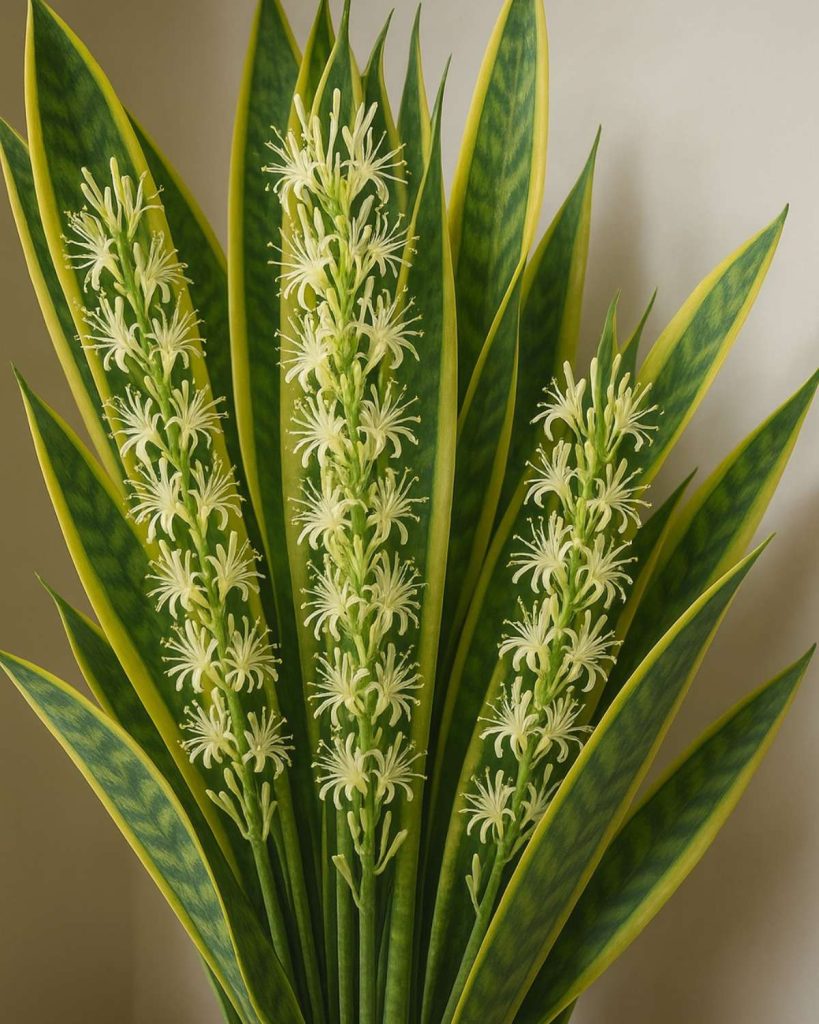
Have you ever seen a Sansevieria, or Mother-in-Law's Tongue, in full bloom? While renowned for its hardiness and air-purifying qualities, this popular houseplant's flowering is a rare and special event that many plant owners never witness. 🌸 Achieving this feat is a true mark of a skilled plant parent. This comprehensive guide will walk you through the exact steps to not only keep your Sansevieria alive but to thrive and potentially produce its beautiful, fragrant flowers. Let's unlock the secrets to encouraging your resilient plant to show off its spectacular, hidden side.
Understanding the Sansevieria Bloom
Before diving into the "how," it's essential to understand the "why." Flowering is a significant energetic investment for any plant. In the wild, Sansevierias typically bloom when they are slightly root-bound and under mild stress, signaling that it's time to reproduce. Their flowers are not just for show; they are a survival mechanism. The sweet, jasmine-like scent is designed to attract pollinators at night. By replicating these ideal, slightly challenging conditions in your home, you can encourage this remarkable process.
1. Provide the Right Light ☀️
Sansevieria is famously adaptable and can survive in low-light conditions, but survival is not the same as blooming. To trigger flowering, it needs a significant amount of energy, which comes from light. Place your plant in a spot with bright, indirect light, such as near an east or south-facing window where it receives plenty of filtered sun. A few hours of gentle morning sun can be particularly beneficial.
While it can tolerate some direct sun, prolonged exposure to intense afternoon rays can scorch its leaves, leaving unsightly marks. If you only have a low-light room, don't lose hope, but consider using a grow light to supplement its needs, especially during the shorter days of winter. Remember, light is the primary fuel for flower production.
2. Master the Art of Watering 💧
This is perhaps the most critical factor. As a succulent, the Sansevieria stores water in its thick, fleshy leaves, making it extremely drought-tolerant but highly susceptible to overwatering. The golden rule is to water only when the soil is completely dry. To check this, stick your finger about two inches into the potting mix; if it feels dry, it's time to water.
During the active growing season (spring and summer), this might mean watering every 2-3 weeks. In the dormant period (fall and winter), reduce watering significantly to once a month or even less. Always ensure you water thoroughly, allowing excess water to drain freely from the holes in the pot. Soggy soil is the fastest way to cause root rot, which will severely weaken the plant and eliminate any chance of flowering.
3. Use a Well-Draining Soil Mix
The perfect soil mix goes hand-in-hand with proper watering. A standard potting soil retains too much moisture for Sansevieria's liking. Instead, opt for a specialized succulent or cactus potting mix. For even better drainage, create your own blend by amending a standard mix with perlite, coarse sand, or pumice at a ratio of about 2:1 (potting mix to amendment).
This gritty, airy structure allows water to flow through quickly, preventing the roots from sitting in moisture. Equally important is using a pot with drainage holes. A pot without drainage is a sealed environment that will inevitably lead to root rot, no matter how careful you are with watering.
4. Apply the Right Fertilizer 🧪
While Sansevierias aren't heavy feeders, providing the right nutrients at the right time can give them the extra boost needed for blooming. During the spring and summer, feed your plant once a month with a balanced, liquid fertilizer diluted to half-strength. For flower promotion, look for a fertilizer with a slightly higher ratio of phosphorus (the middle number in the N-P-K ratio), such as a 5-10-5 blend. Phosphorus is known to support root development and flower production.
Avoid fertilizing in the fall and winter when the plant's growth slows down. Fertilizing during dormancy can lead to salt buildup in the soil and can harm the roots. Think of fertilizer as a vitamin supplement, not a main course.
5. Ideal Temperature and Humidity
Sansevieria thrives in average household temperatures. Its sweet spot is between 15°C and 30°C (59°F - 86°F). It's crucial to protect it from temperatures below 10°C (50°F), as cold drafts and freezing temperatures can cause severe damage. Keep it away from drafty windows in winter and blasts from air conditioners or heating vents.
Unlike many tropical plants, Sansevieria prefers low to average humidity. It is perfectly suited to the dry air of most modern homes, so there is no need to mist its leaves. In fact, excessive moisture on the leaves can sometimes lead to fungal issues.
6. The Secret: Controlled Stress
This might sound counterintuitive, but a mild, controlled stress can be the key to triggering blooms. In its natural habitat, flowering often occurs after a period of drought. You can simulate this by allowing the plant to become slightly more dry than usual for a longer period before resuming your regular watering schedule. This subtle signal can trick the plant into thinking it's time to reproduce.
Important: This should be a slight extension of the dry period, not a severe, prolonged drought that will damage the plant. The goal is to nudge it, not endanger it. Being slightly root-bound is another form of mild stress that can encourage flowering, so don't be in a hurry to repot unless the plant is bursting out of its container.
What Do Sansevieria Flowers Look Like? 🌿
When your efforts pay off, the display is unique and captivating. The Sansevieria sends up a long, slender flower spike, called a raceme, from the center of the plant. Adorning this spike are delicate, star-shaped flowers that are typically white, cream-colored, or pale green. They grow in clusters and are renowned for their intense, sweet fragrance reminiscent of jasmine or vanilla, which is most potent in the evening and at night. The bloom can last for several weeks, providing a long-lasting and aromatic reward for your diligent care.
Additional Pro-Tips for Success
- 🚫 Avoid Moving Your Plant Frequently: Sansevierias appreciate stability. Once you find a spot with the right light and temperature, try to leave it there. Constant movement can stress the plant and disrupt its growth cycle.
- ✂️ Prune Strategically, Not Excessively: This plant does not require regular pruning. Simply remove any old, damaged, or yellowing leaves at the soil line to keep it looking tidy and to direct energy towards new growth and potential flowers.
Leave a Reply