
Discover the 20 Uses of Plantain to Naturally Improve Your Health
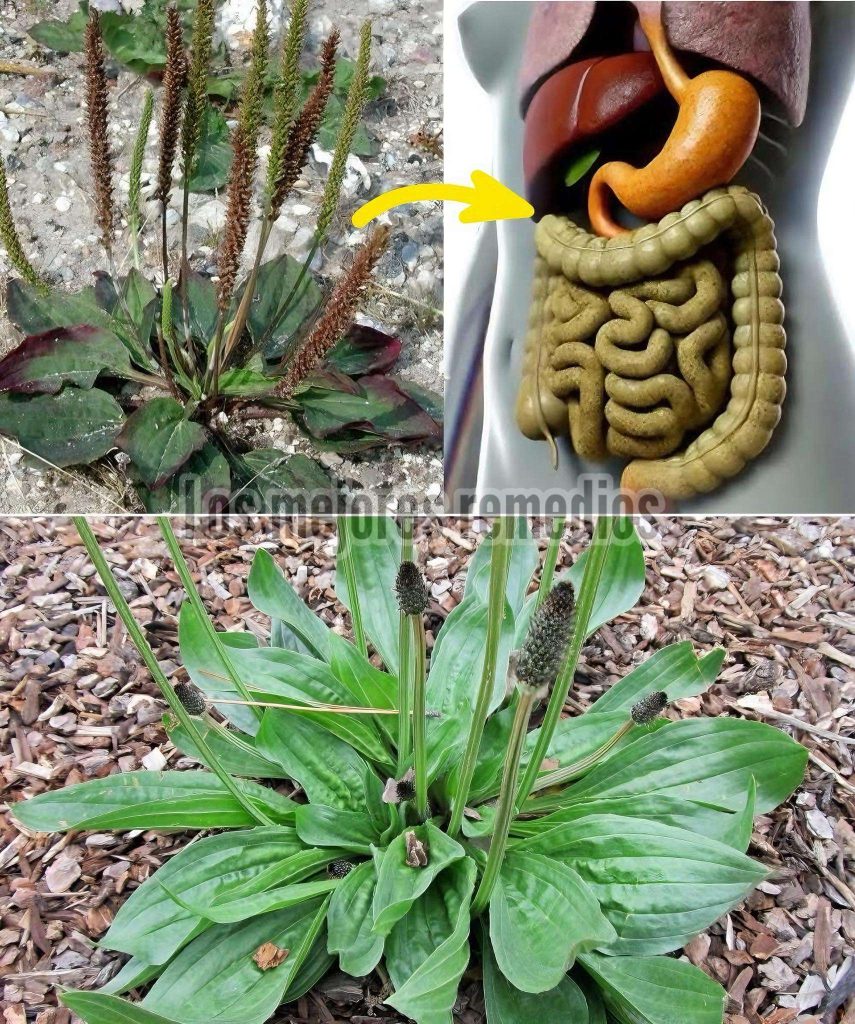
For centuries, nature has provided powerful remedies, and common plantain (Plantago major) stands out as a true herbal champion. 🌿 Often overlooked as a simple weed, this versatile plant is a nutritional powerhouse, packed with vitamins, minerals, and potent bioactive compounds. From soothing a nagging cough to healing stubborn skin infections, plantain offers a natural, accessible path to wellness. This comprehensive guide will unveil 20 remarkable medicinal uses of plantain, complete with practical recipes and detailed explanations, empowering you to harness its healing potential and naturally improve your health.
Unveiling the Power of Plantain: Its Core Properties
What makes plantain such an effective herbal medicine? The answer lies in its unique and synergistic blend of active compounds. Understanding these properties helps clarify its wide range of applications.
Vitamins and Minerals: It is exceptionally rich in Vitamin C (a critical immune booster), Vitamin K (essential for blood clotting and bone health), and minerals like calcium, iron, and potassium, which support overall bodily functions.
Mucilage: This gel-forming fiber is a standout component. When mixed with water, it creates a soothing, protective layer over mucous membranes in the respiratory and digestive tracts, making it excellent for calming irritation and inflammation.
Antioxidants & Anti-inflammatories: Plantain contains significant levels of flavonoids and other antioxidant compounds that combat oxidative stress and cellular damage. Coupled with anti-inflammatory agents like aucubin, it helps reduce swelling and pain throughout the body.
Astringent Tannins: These compounds have a tightening and drying effect on tissues, which is why plantain is so effective at staunching minor bleeding, drying out weeping wounds, and firming up skin.
Antimicrobial Agents: Research has confirmed that plantain possesses natural antibacterial and antifungal properties, making it a valuable tool for fighting infections in wounds, the urinary tract, and on the skin.
20 Medicinal Uses of Plantain to Transform Your Health
1. Relief for Coughs and Colds 🤧
How to use: Plantain Tea.
Recipe: Steep 1 tablespoon of dried plantain leaves in 1 cup of boiling water for 10 minutes. Strain and drink twice daily.
Benefit & Science: The mucilage in plantain acts as a demulcent, coating the throat to relieve scratchiness and dry coughs. Its anti-inflammatory properties also help reduce bronchial congestion, making it easier to expel mucus.
2. Wound Healing and Tissue Repair 🩹
How to use: Poultice.
Recipe: Clean fresh plantain leaves, crush or chew them lightly to release the juices, and apply the paste directly to the cut, scrape, or splinter wound.
Benefit & Science: This method delivers a concentrated dose of plantain's allantoin (which stimulates cell regeneration), tannins (which help stop bleeding), and antimicrobial compounds directly to the site, preventing infection and speeding up healing.
3. Soothing Sunburn Relief ☀️
How to use: Infused Compress.
Recipe: Steep 2 tablespoons of plantain leaves in 1 cup of boiled water. Let it cool completely, then soak a clean cloth in the liquid and apply it to the sunburned skin.
Benefit & Science: The cool, anti-inflammatory infusion provides immediate relief from the burning sensation and redness, while the healing compounds begin to repair damaged skin cells.
4. Combating Urinary Tract Infections (UTIs) 💧
How to use: Diuretic Tea.
Recipe: Prepare an infusion with 1 tablespoon of plantain leaves. For enhanced effect and taste, add a teaspoon of raw honey, which also has mild antibacterial properties. Drink three times a day.
Benefit & Science: Plantain acts as a gentle diuretic, helping to flush out the urinary system. Its antimicrobial properties directly combat the bacteria causing the infection. Important: For severe UTIs, consult a healthcare professional.
5. Healing Gastric and Duodenal Ulcers 💊
How to use: Fresh Leaf Juice.
Recipe: Blend a handful of fresh, clean plantain leaves with a glass of water. Strain and drink this juice on an empty stomach for a period of 15 days.
Benefit & Science: The mucilage forms a protective barrier over the stomach lining, shielding ulcers from stomach acid. Its anti-inflammatory and healing compounds work to repair the damaged tissue from within.
6. Soothing Hemorrhoid Discomfort
How to use: Sitz Bath.
Recipe: Boil 3 tablespoons of plantain leaves in 1 liter of water for 10 minutes. Let it cool to a warm, comfortable temperature and use it for a soothing sitz bath for 15-20 minutes.
Benefit & Science: The warm, astringent bath helps reduce the swelling of hemorrhoidal tissues, while the anti-inflammatory effects provide significant pain and itch relief.
7. Boosting the Immune System 🛡️
How to use: Daily Tonic Tea.
Recipe: Make a habit of drinking 1-2 cups of plantain tea daily, especially during cold and flu season.
Benefit & Science: The high vitamin C content is a well-known immune stimulant. Furthermore, plantain's polysaccharides can help modulate and enhance the body's immune response, making you more resilient to pathogens.
8. Supporting Blood Sugar Regulation 📊
How to use: Plantain Decoction.
Recipe: Simmer 2 tablespoons of leaves in 1 liter of water for 5-10 minutes. Let it cool, strain, and sip this decoction throughout the day.
Benefit & Science: Some studies suggest that the fiber and certain compounds in plantain can improve insulin sensitivity and help moderate the absorption of sugars in the digestive tract. Note: This is a supportive measure, not a replacement for medical advice.
9. Easing Menstrual Cramps
How to use: Relaxing Infusion.
Recipe: Sip on a warm cup of plantain tea when menstrual pain begins.
Benefit & Science: Plantain acts as a gentle antispasmodic, helping to relax the uterine muscles that contract painfully during menstruation, thus providing natural relief from cramping.
10. Reducing Fever
How to use: Diaphoretic Tea with Lemon.
Recipe: Add a few fresh slices of lemon to your plantain tea and drink it warm.
Benefit & Science
Leave a Reply