
Do Your Hands Fall Asleep Often? Discover the Potential Causes, Associated Conditions, and Best Natural Remedies.
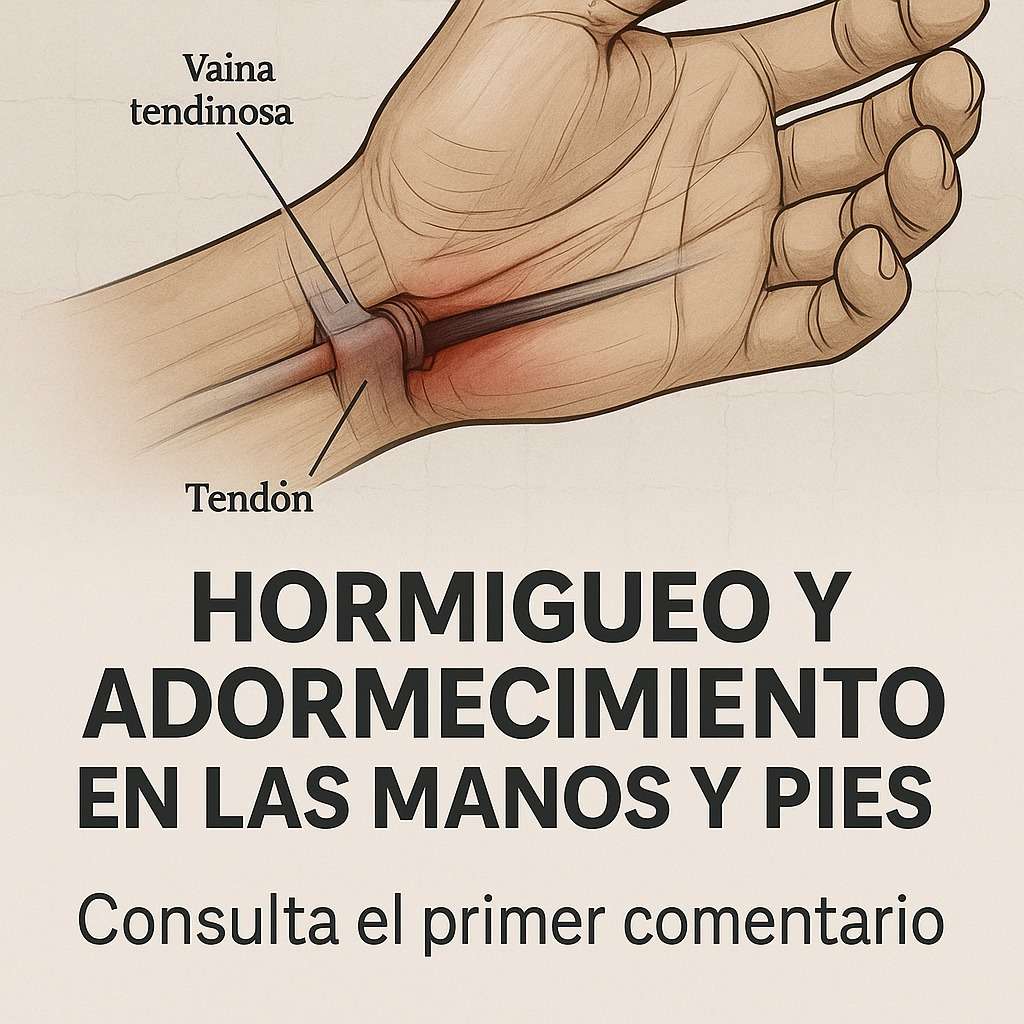
Have you ever experienced that unsettling sensation of your hands “falling asleep”—whether a subtle tingling or a temporary loss of feeling? 🫣 While it might seem harmless, especially if it happens occasionally during sleep or due to an awkward posture, frequent occurrences could be your body’s way of signaling an underlying issue with your nervous or circulatory system. This symptom, medically termed paresthesia, can range from a temporary nerve compression to more serious conditions like carpal tunnel syndrome, peripheral neuropathies, or even cervical spine problems.
In this comprehensive guide, we will explore the potential causes, associated medical conditions, warning signs you shouldn’t ignore, and highly effective natural remedies. Our goal is to empower you with knowledge and practical solutions to address this common yet often overlooked symptom. 👇
🤔 Why Do My Hands Fall Asleep? Understanding the Basics
The sensation of numbness or tingling in your hands can stem from a variety of sources. Sometimes, it's a fleeting and insignificant issue. However, when it becomes a persistent or unexplained problem, it may point toward a deeper health concern that requires attention.
🔹 Common and Mild Causes of Hand Numbness
Often, the reasons behind numb hands are everyday habits or temporary physical states:
Temporary Nerve Compression: Sleeping directly on your arm or resting your elbow on a hard surface for an extended period can compress nerves, leading to momentary numbness.
Poor Posture While Sleeping or Working: Positions that impede blood circulation or put pressure on nerves are a common culprit.
Repetitive Movements or Prolonged Strain: Activities like intensive typing, using manual tools, or carrying heavy loads can irritate nerves over time.
Stress and Anxiety: High cortisol levels from chronic stress can affect the nervous system, sometimes manifesting as altered sensitivity in the extremities.
🧬 Underlying Medical Conditions Linked to Hand Numbness
When numbness is frequent or accompanied by other symptoms, it could be associated with specific health conditions. Understanding these is crucial for proper management.
1. Carpal Tunnel Syndrome
What it is: Compression of the median nerve as it travels through the wrist.
Symptoms: Tingling, burning, weakness, or loss of strength in the hands (particularly the thumb, index, and middle fingers).
Common Causes: Excessive keyboard use, repetitive manual tasks, fluid retention.
2. Peripheral Neuropathy
What it is: Damage to the peripheral nerves responsible for transmitting signals between the central nervous system and the rest of the body.
Causes: Diabetes, alcoholism, Vitamin B12 deficiency, autoimmune diseases.
Symptoms: Numbness, weakness, sharp pain, or a burning sensation in the hands and feet.
3. Cervical Herniated Discs
What it is: Bulging of the intervertebral discs in the neck, which can compress nerve roots.
Symptoms: Pain in the neck, shoulders, and arms, accompanied by tingling or numbness in the hands.
4. Multiple Sclerosis
What it is: An autoimmune disease that affects the central nervous system.
Symptoms: Blurred vision, fatigue, muscle weakness, and numbness in the limbs.
5. Thoracic Outlet Syndrome
What it is: Compression of nerves or blood vessels in the space between the collarbone and the first rib.
Symptoms: Neck and shoulder pain, numbness in the hands, and general weakness.
6. Circulatory Disorders
Conditions like atherosclerosis or venous thrombosis can impair proper blood flow, leading to numbness and cold extremities.
🚨 Warning Signs: When Should You See a Doctor?
While occasional numbness might be benign, certain symptoms warrant immediate medical consultation. Seek professional help if you experience:
✅ Persistent or frequent numbness without an obvious cause.
✅ Tingling that occurs in both hands simultaneously.
✅ Pain, noticeable loss of strength, or difficulty grasping objects.
✅ Symptoms that spread to your arm, neck, or face.
✅ Numbness accompanied by dizziness, blurred vision, or speech difficulties (potential signs of a stroke).
Remember, an early diagnosis can be key to preventing long-term complications and managing underlying conditions effectively. 👨⚕️
🌿 Effective Natural Remedies to Alleviate Hand Numbness
For mild cases related to inflammation, nutritional deficiencies, or poor circulation, several natural approaches can offer relief. Always consult with a doctor before starting new treatments, especially if you have a diagnosed condition.
1. Therapeutic Massages with Essential Oils
Using oils like rosemary, ginger, or eucalyptus can be beneficial. Gently massage your wrists, palms, and forearms in circular motions. This stimulates blood flow and can reduce local inflammation. 👐
2. Hand and Wrist Exercises
Simple movements can make a big difference. Try repeatedly opening and closing your fists, rotating your wrists in both directions, and using a stress ball to strengthen hand muscles and improve nerve function.
3. Anti-Inflammatory Ginger and Turmeric Infusion
Boil a slice of ginger with half a teaspoon of turmeric in a cup of water. Add the juice of half a lemon and drink it warm once daily. This powerful combination helps combat inflammation systemically. ☕
4. Contrast Baths (Hot/Cold Therapy)
Alternate immersing your hands in warm water for 30 seconds and cold water for 30 seconds, repeating the cycle for about 5 minutes. This technique boosts circulation and can relieve nerve pressure.
5. Diet Rich in B Vitamins
B vitamins are crucial for nerve health. Focus on:
- B12: Liver, meat, eggs, dairy.
- B6: Chicken, bananas, chickpeas, fish.
- B1 and B9 (Folate): Legumes, whole grains, green leafy vegetables.
6. Increase Magnesium and Potassium Intake
These minerals are vital for the electrical balance in nerves and muscles. Excellent sources include spinach, avocados, nuts, and sunflower seeds.
💡 Daily Habits to Prevent Hand Numbness
Prevention is always better than cure. Incorporate these habits into your daily routine to minimize the risk of paresthesia:
✔️ Avoid sleeping on your arms or bending your wrists during sleep.
✔️ Maintain an ergonomic posture while working at a desk or using mobile devices.
✔️ Use ergonomic supports like wrist rests and adjustable chairs if you have a desk job.
✔️ Take regular breaks every 30 minutes if you perform repetitive tasks.
✔️ Stay hydrated and maintain a balanced, nutrient-rich diet.
✔️ Effectively manage chronic conditions like diabetes or hypertension with your doctor's guidance.
✔️ Engage in moderate physical activity regularly to promote overall circulation.
✨ A Holistic and Symbolic Perspective
Beyond the physical, some holistic and spiritual traditions view bodily symptoms as messages. From this perspective, numb hands might symbolize a disconnect from one's ability to act, create, or engage with the world. Hands represent our capacity to “handle” life, give, and receive.
This numbness could intuitively point to emotional blockages, postponed decisions, or a feeling of being paralyzed in a significant life situation. Ask yourself:
🔹 Am I avoiding something I know I need to do?
🔹 Do I feel unable to take action in an important area of my life?
While this is not a medical interpretation, for many, addressing the emotional and energetic aspects of health can be a profound complement to physical care. 💖
✅ Conclusion: Taking Control of Your Hand Health
Hand numbness, while often dismissed, can be a significant indicator of your overall health. It can stem from simple, correctable issues like posture and stress, or it may signal more complex conditions such as neuropathies or neurological diseases.
By combining healthy daily habits, a nutritious diet, targeted exercises, proven natural remedies, and timely medical consultation, you can effectively prevent or alleviate this uncomfortable symptom. Listen to your body—it's often the first to warn you when something needs attention.
📌 Was this information helpful? Share this guide with someone who might benefit from it. Sometimes, a simple symptom is a powerful opportunity to take better care of our well-being.
Leave a Reply